
The Contest of Lies and Evidence
The Brass VerdictThis thread follows the novel’s recurring idea that courtroom truth must be built from contested statements, evidence, and strategic silence.
increasing Bearing strength in each event
 decreasing
Bearing strength in each eventdecreasingThe Blade in a Lie
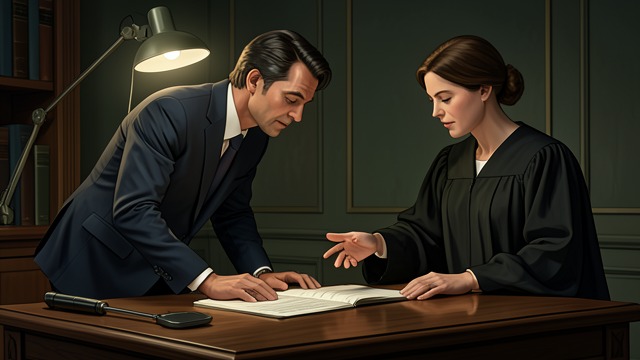
Finding the Useful Falsehood
A courtroom of claims
Haller begins by describing trial as a contest in which every participant may lie. The defense lawyer must wait for the contradiction that can cut through the prosecution’s story.
A method, not a verdict
The metaphor frames Haller’s work as disciplined listening rather than simple moral judgment. His task is to test what the state can prove, even when he believes the client is guilty.
A Confession That Changes Nothing
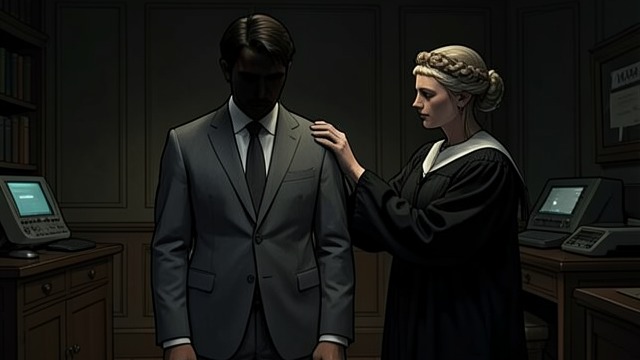
Law and Moral Knowledge
Woodson admits guilt
After the prosecution’s witness collapses, Woodson privately says he killed the victims and complains that the state used a liar. Haller rebukes him and urges him not to jeopardize the deal.
The limits of advocacy
Haller has saved Woodson from death but not delivered moral justice. The scene defines the distance between protecting a client’s rights and approving what the client has done.
Elliot Demands Belief
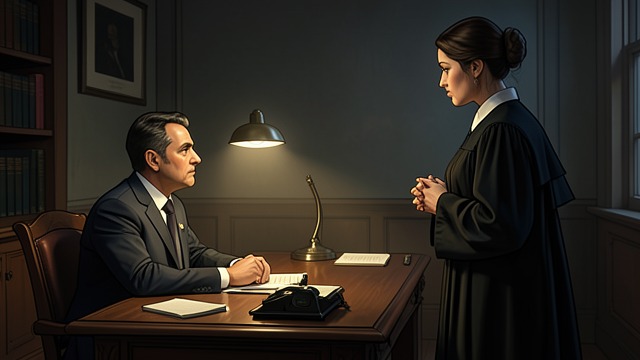
What a Lawyer Can Promise
A client’s need
Elliot insists that Haller believe he is innocent. Haller refuses to make a false promise and explains that his duty is to understand and challenge the state’s case.
Uncertainty as honesty
Haller says he can see a real possibility of innocence but does not know the truth. His candor preserves the professional relationship while making clear that advocacy is not the same as personal faith.
The Confession Becomes Evidence of Character

A Client’s Private Truth
A complete admission
Elliot tells Haller that he killed Mitzi and Johan and participated in buying a juror. He also reveals the criminal organization behind his public wealth.
A new ethical boundary
The admission is protected by confidentiality, but Haller must reckon with the danger of a future crime and the possibility that he can prevent jury tampering. Knowledge changes his role without automatically freeing him from his duties.
The Lawyer’s Own Verdict
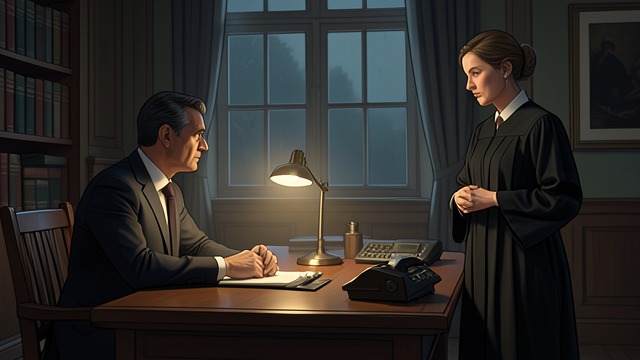
Guilt Beyond the Charge
A personal reckoning
Haller thinks about Rilz’s family and the morally compromised defense he has delivered. He no longer feels able to separate professional skill from the human harm around the case.
The choice to stop
He decides that the brass verdict may be his last and feels tempted by the numbness of pills. The legal outcome is unfinished, but Haller’s internal judgment has already begun.
At the opening of the 1992 trial
After the jury leaves the 1992 courtroom
At their first long strategy meeting
After the first day of testimony
The night after Elliot confesses
