
The Brass Verdict and Unequal Justice
The Brass VerdictThis thread contrasts court-ordered outcomes with the extrajudicial killings that decide the novel’s most consequential fates.
increasing Bearing strength in each event
 decreasing
Bearing strength in each eventdecreasingAn Acquittal in 1992
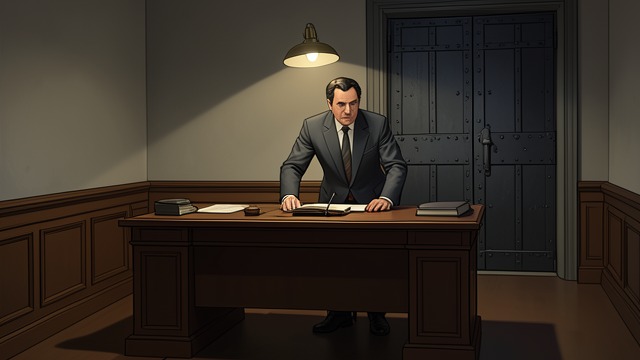
A Formal Verdict
The jury’s decision
Haller exposes Torrance’s fabricated testimony, and Barnett Woodson is acquitted of the murders. The courtroom reaches a legal conclusion based on the evidence presented.
Justice remains unsettled
Woodson later admits he committed the killings and is himself killed soon afterward. The contrast makes clear that a verdict can settle a charge without settling the moral truth or guaranteeing safety.
A Trial Without Judgment
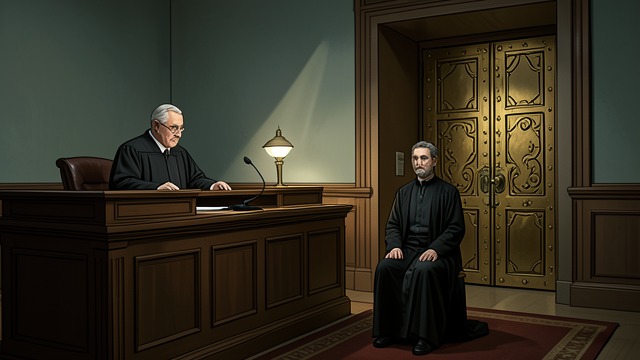
Evidence Without a Verdict
The case turns
Haller’s defense exposes possible residue transfer and neglected leads. The evidence has begun to undermine the prosecution, but the jurors have not yet deliberated.
Violence interrupts law
Elliot’s murder removes the defendant and ends the trial. The court cannot issue a verdict, leaving the strongest evidence and the central question of guilt unresolved in legal terms.
An Organization’s Sentence
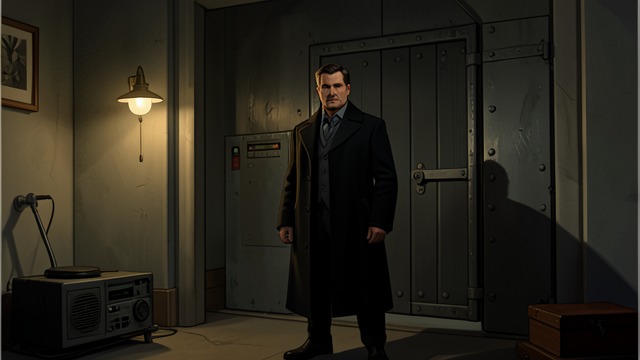
Prison as a Threat
A client fears judgment
Elliot tells Haller that if he is convicted, his criminal organization will kill him in prison because he has become a liability. The legal sentence is only one part of the danger he faces.
Control beyond the court
The organization has tolerated the trial while Elliot controls its money, but it may abandon him after conviction. Power operates through private threats as well as public law.
A Message from Germany
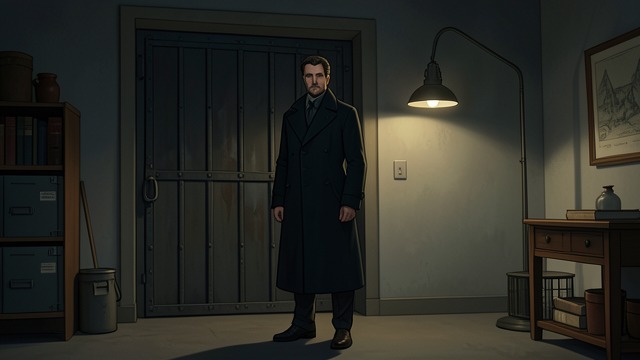
Retaliation Beyond Prosecution
A likely family response
Bosch says Beverly Hills investigators suspect Johan Rilz’s family arranged Elliot and Albrecht’s deaths. The weapon’s German origin appears to carry a message.
Justice without a case
The authorities may know the likely source but lack a prosecutable trail. A killing can function as a verdict while leaving no courtroom answer for the bereaved or the public.
A Corrupt Court Exposed
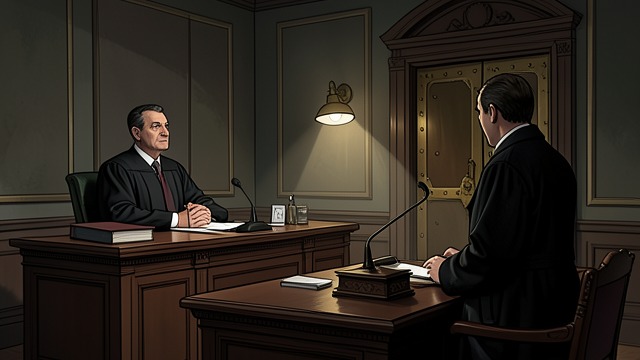
Law Begins to Answer
Federal indictments
The FBI indicts a judge, her husband, a juror, an investigator, and a jury-office supervisor for corruption and conspiracy. The evidence includes records and recordings rather than rumor alone.
Accountability is incomplete
The indictments offer a formal response to the jury scheme, but they cannot undo Vincent’s murder or the deaths of Elliot and Albrecht. The book closes with law acting again, after private violence has already delivered its own verdict.
At the end of the Woodson trial
After Elliot’s defense has begun
After Elliot’s confession
After the murder of Elliot and Albrecht
The Thursday after the trial ends
