
The Blind Spots of Investigation
The Brass VerdictThis thread traces how investigative assumptions narrow the Elliot case and how Haller uses overlooked details to reopen it.
increasing Bearing strength in each event
 decreasing
Bearing strength in each eventdecreasingElliot Becomes the Focus
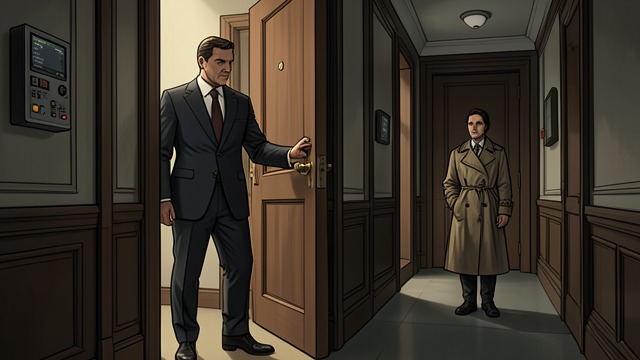
A Suspect Takes Center Stage
Early suspicion
Elliot is present at the scene, has a possible financial motive, and later tests positive for gunshot residue. Investigators quickly organize the case around him.
The cost of a theory
Once Elliot becomes the focus, other paths receive less attention. The prosecution’s confidence rests partly on a story that can make each fact appear to confirm the same conclusion.
The Missing Weapon

An Absence with Meaning
Search without result
Investigators search the house, cars, and nearby water but never recover the murder weapon. The missing gun leaves the state unable to connect Elliot to a specific firearm.
Alternative explanations
Haller studies the geography of the cove and the currents, seeing how a weapon could have traveled out to sea. He uses the absence not as proof of innocence but as a limit on certainty.
The First Responders’ Labels

Subject, Not Suspect
Procedure questioned
Deputies insist Elliot was not under arrest even while handcuffing and confining him in a patrol car. Their repeated use of “subject” attempts to maintain a procedural distinction.
Common sense challenged
Haller makes the jury confront the gap between the official label and the physical restraint. The terminology becomes evidence of how institutions can describe an action in ways that protect their own account.
The Unreported Test Drives
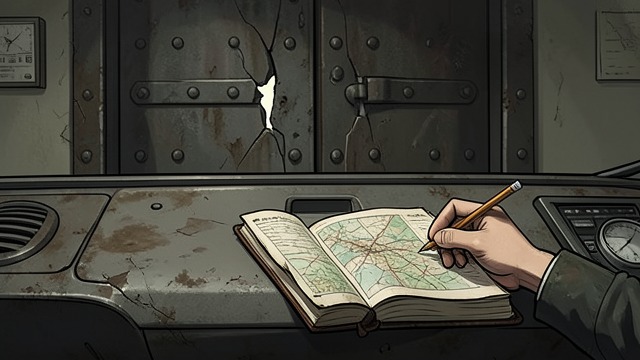
Testing the Timeline
A measured route
Kinder says he drove from Archway to Malibu five times and arrived within the estimated murder window. Haller establishes that the best trip still took nearly an hour.
Missing documentation
Kinder admits that two additional attempts were not recorded because they were incomplete. Haller cannot prove the omitted drives would have helped Elliot, but the incomplete record creates a question about how confidently the timeline can be stated.
A Seat the Investigators Missed

The Crucial Overlooked Detail
Cross-case comparison
Haller links the Elliot evidence to Wyms’s earlier arrest by noticing the shared 4-alpha patrol-car designation. The connection was present in separate files but had not become part of the prosecution’s theory.
A new meaning for residue
The evidence that appeared to place a gun in Elliot’s hands may have been transferred from another detainee. The defense’s discovery shows how a fact’s meaning can change when investigators compare cases rather than isolate them.
The day of the Malibu murders
During the first week of Haller’s case review
During Harber’s testimony
During Haller’s cross-examination of Kinder
During the defense presentation
