
The Meaning of the Alternate Theory
The Brass VerdictThis thread examines the defense’s tactic of challenging the prosecution’s story without proving a complete alternative account.
increasing Bearing strength in each event
 decreasing
Bearing strength in each eventdecreasingDistort or Destroy
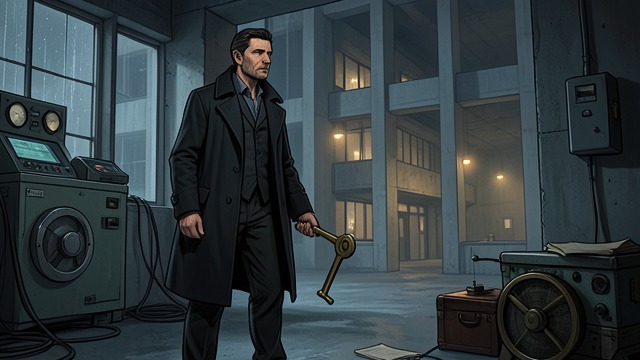
The Defense’s Limited Burden
A plausible competing story
Haller explains that a defense can attack the state’s account and offer another explanation without proving exactly who committed the crime. One doubt in one juror’s mind may be enough.
Strategy and truth
The method is effective because the prosecution must prove guilt beyond a reasonable doubt. But Haller recognizes that a useful theory can be strategically valuable even when he does not know whether it is true.
Rilz as an Alternate Target
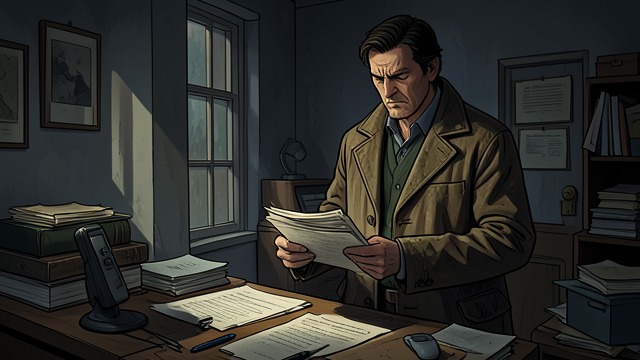
Turning Toward the Victim’s Past
An investigative gap
Haller proposes asking whether Johan Rilz had other enemies, clients, or a criminal history. The state’s limited inquiry makes this line available to the defense.
The risk of character attack
A theory that shifts suspicion onto Rilz could help Elliot, but it may unfairly burden a dead man who cannot answer. The defense must balance tactical doubt against the dignity of the victims.
The French Informant Theory
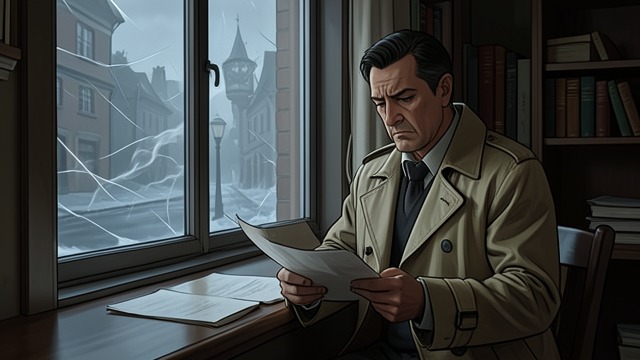
A Plausible Source of Enemies
New information
Haller uses a French report to suggest that Rilz once informed on a drug organization. This gives the defense a possible motive unrelated to Elliot’s marriage.
Proof remains incomplete
The judge requires further verification before Haller can pursue the subject fully. The theory creates a path toward doubt, but it does not establish who killed Rilz or why.
Elliot’s Own Story
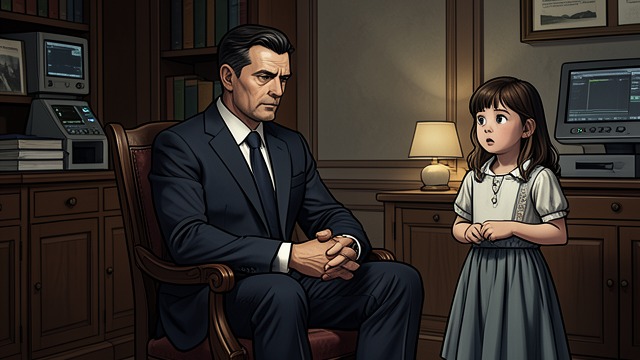
The Alternate Theory Collapses
The client confesses
Elliot admits that he killed Mitzi and Rilz himself, making the defense’s alternative-suspect strategy a professional construct rather than the truth of the crime.
A defense still possible
Haller continues to defend against the charges, but the meaning of his work changes. His theory may create reasonable doubt while also casting suspicion on people who were not responsible for the murders.
No Verdict to Test the Theory
Argument Without Resolution
The jury is discharged
Elliot’s murder prevents jurors from deciding whether the alternative theories and forensic evidence created reasonable doubt. Haller never learns how the panel would have voted.
Uncertainty survives
The legal contest ends without a verdict, while the separate killers remain partly beyond prosecution. The novel leaves the truth divided among what Haller knows, what the court can prove, and what violence has made impossible to try.
During Haller’s initial review of the Elliot case
During Haller’s first strategy meeting with Elliot
During cross-examination of John Kinder
At dinner after the first day of trial
The day after Elliot and Albrecht are killed
