Peremptory challenge
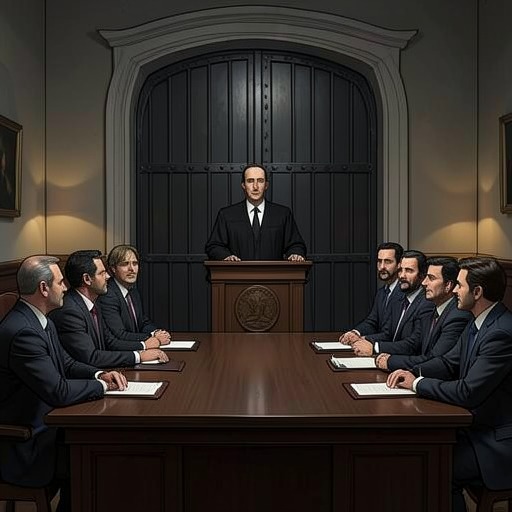
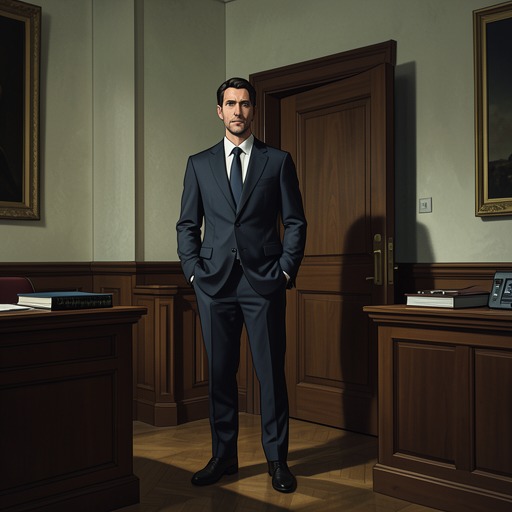
The Brass VerdictA Peremptory challenge allows an attorney to remove a prospective juror without establishing that the person is biased or otherwise unfit to serve. In the murder trial of Walter Elliot, the rule becomes a scarce strategic resource: Michael Haller has one strike left and must choose between two jurors whose presence could shape how the panel hears the defense.
Operation and Limits
During jury selection, prospective jurors first enter the box and are questioned about their backgrounds, views, and understanding of the law. A challenge for cause removes someone whose answers, demeanor, or circumstances indicate an inability to judge fairly; the attorneys have no fixed limit on those challenges. A Peremptory challenge works differently: it permits a strike based on an attorney’s instinctive dislike, without requiring a reason, but each side receives only a limited number.
Because the case involves murder charges, both prosecution and defense are allotted up to twenty such challenges. The rule therefore gives the lawyers room to shape the panel, but within a defined budget. Its freedom is not absolute: using strikes to create racial bias can provoke opposition from the other side and the judge.
Strategic Purpose
Haller describes jury selection as a contest to find jurors inclined toward each side’s account. Although the process is designed to remove bias and deception, he recognizes that a defense attorney seeks a panel predisposed to distrust the prosecution and receptive to the defense. The prosecutor, seated opposite him, has the same strategic aim in reverse. The challenge thus turns jury selection into more than a search for neutrality: each side tries to use its limited strikes to influence which interpretations of the evidence will find a hearing.
That strategy matters because the prosecution presents what Haller regards as a strong account of motive and opportunity but thin, circumstantial evidence. His defense depends on persuading jurors that the prosecution’s apparent coherence does not prove guilt. The composition of the panel may affect whether that argument can take hold.
The Final Strike in Elliot’s Trial
When jury selection reaches its last decision, Haller has one Peremptory challenge remaining and is considering juror seven or juror ten. He asks Elliot to confer over a chart of the panel. Elliot has offered strong opinions about prospective jurors throughout the process, though Haller has generally made the final choices himself. This time, Haller acknowledges that either remaining juror could hurt the defense and that the decision is difficult.
Elliot favors juror ten, a retired technical writer for a toy manufacturer, saying he makes his living reading people and taking chances. Haller is concerned that the juror’s engineering background could pose a problem. At that moment, Haller receives a text from Julie Favreau, who recommends striking ten: she sees deception in that juror, while her assessment of seven is more favorable, describing an open and interested prospective juror who likes Elliot. Haller accepts the recommendation and prepares to proceed, despite Elliot’s attempt to stop him by grasping his sleeve.
Consequences and Significance
The decision illustrates the rule’s defining tension. A strike needs no formal showing of cause, yet using it well requires judgment about character, trial strategy, and the competing impressions gathered by the defense team. Elliot’s confidence in his own ability to read people conflicts with Haller’s responsibility for the final selection; Favreau’s remote assessment supplies another perspective at the decisive moment.
The episode also clarifies that the challenge is not simply a way to remove an obviously unsuitable juror. Haller’s choice is between two uncertain risks, with only one strike available. The rule gives counsel meaningful control over the panel while leaving the result dependent on imperfect predictions about how individual jurors will respond to the case.