
Ordinary People and Extraordinary Harm
The Cabin at the End of the WorldThis flow explores how the visitors’ insistence that they are ordinary people coexists with their participation in extraordinary violence.
increasing Bearing strength in each event
 decreasing
Bearing strength in each eventdecreasingOrdinary Introductions
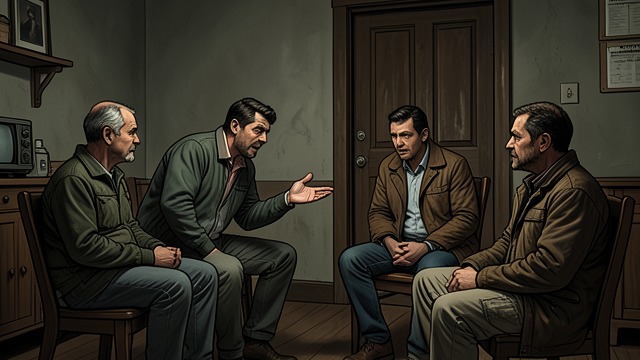
Ordinary Introductions
Daily Lives Disclosed
Leonard, Sabrina, Adriane, and Redmond describe jobs, family, and ordinary interests. Leonard insists that they are regular people like the family.
Reassurance Undermined
They have entered the cabin by force and tied its occupants to chairs. Their familiar biographies do not make their actions harmless.
The contrast challenges the comforting idea that cruelty always announces itself through a monstrous identity.
Andrew’s Objection
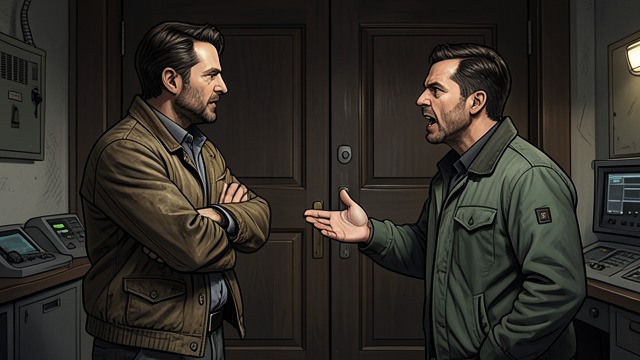
Andrew’s Objection
A Refusal of the Label
Andrew mocks the visitors’ language of ordinary people. He recognizes that commonplace lives and polite manners do not prevent people from causing harm.
Responsibility Remains
Leonard continues to describe the group as compelled, but Andrew insists that the visitors are still the ones restraining and threatening his family.
The conflict asks whether being frightened or obedient absolves a person of responsibility.
The Shared Vision
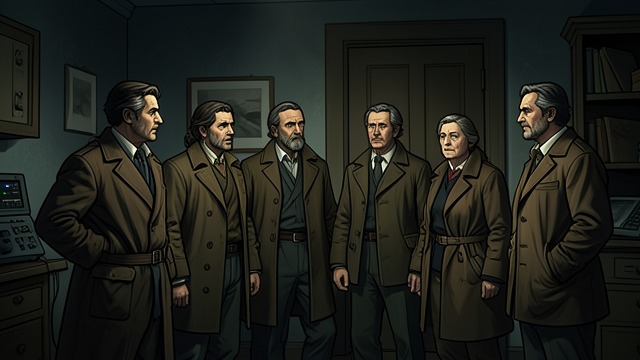
The Shared Vision
Similar Experiences
The visitors claim they received matching visions and were drawn to the cabin. They describe themselves as messengers rather than authors of the demand.
The Agency Question
Their insistence that they have no choice makes them sound both terrified and dangerous. The family cannot verify what they experienced or why they acted on it.
The story leaves room for compulsion while refusing to make obedience morally neutral.
The Moral Fracture
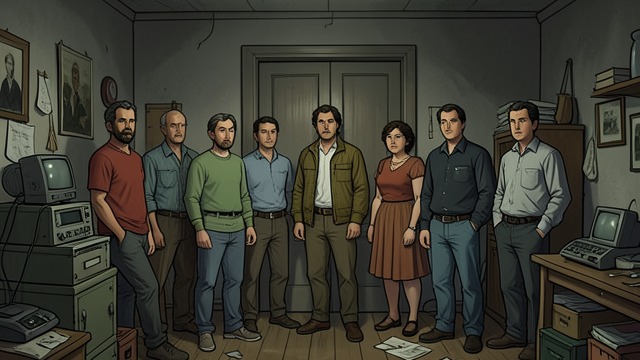
The Moral Fracture
Doubt in the Group
Sabrina questions whether the deaths are justified. Leonard continues the mission, though his grief and guilt show that he is not emotionally untouched by it.
Acts Over Identities
The visitors’ intentions remain contested, but their choices have produced kidnapping, assault, and death. The ordinary people they claim to be cannot be separated from these acts.
The novel weighs motives without letting them erase consequences.
What Remains Ordinary
What Remains Ordinary
A Life After Horror
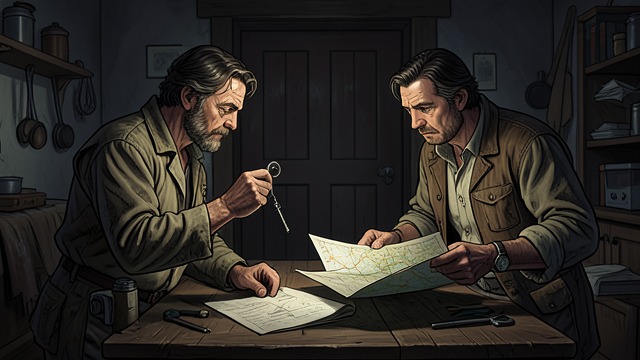
Eric and Andrew still attend to the practical work of carrying Wen and finding the truck keys. Ordinary tasks continue inside disaster.
Chosen Responsibility
The two men choose not to kill each other, despite the apocalyptic claims. Their decision is grounded in care rather than certainty about the world.
The novel locates moral agency not in grand explanations but in how people treat one another under pressure.
The first evening of captivity
After the introductions
During the visitors’ explanation
After Wen’s death
On the road near the ending
