
The Cost of Attention and Assumption
The CageDifferent assumptions—about respectability, age, class, and who appears dangerous—shape how characters interpret risk and how quickly they understand the crimes.
increasing Bearing strength in each event
 decreasing
Bearing strength in each eventdecreasingThe Twins Seek Status

The Appeal of Attention
A Gift With a Price
Terri and Berri are excited by messages from older boys who seem wealthy and sophisticated. A phone they could not easily buy themselves makes the relationship feel generous and exclusive.
The twins believe that sending pictures and agreeing to meet are steps toward a desirable romance. They do not understand how the men are using attention to create access and compliance.
Youth and Manipulation
Their choices do not make them responsible for the adults’ deception or violence. The story shows how grooming can exploit ordinary desires for affection, independence, and belonging.
A Mother's Class Is Judged
Public Sympathy and Respectability
A Photograph Invites Judgment
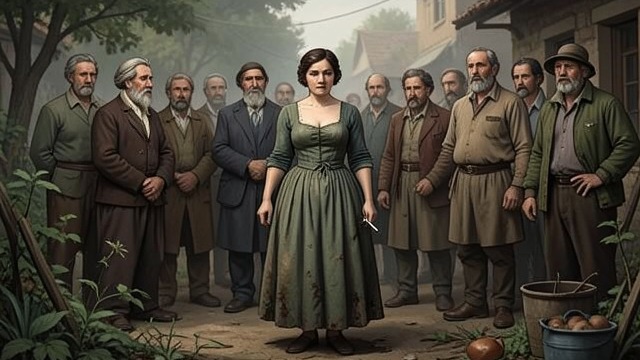
The newspaper describes the Briggs twins as “little tearaways” and publishes a photograph of Linda with a cigarette and an untidy garden. Linda fears that readers will judge her family rather than help find her daughters.
She contrasts the attention given to wealthier families with the suspicion directed at working-class parents. Her concern exposes how public narratives can shape which missing people are treated as deserving of concern.
A Different Image
Linda’s direct appeal and the community’s shirts make her fear and love visible beyond the stereotype. The search becomes a test of whether the public can see the family rather than the class markers around it.
The Locksmith Appears Suspicious
Respectability Does Not Resolve Risk
A Professional Explanation
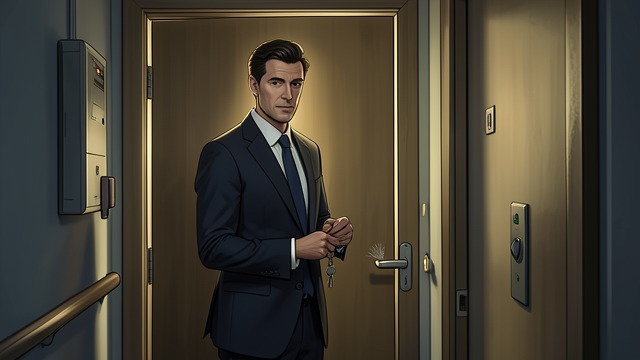
Keith Warner explains that his fingerprints are inside Zoe Hardy’s home because he changed her locks. He presents his work as a trustworthy service and points to the peace-of-mind package he offers new householders.
Yet prints in the upstairs spare bedroom and missing belongings contradict his account. His trade provides an explanation for access, but it also creates a means to exploit that access.
Suspicion and Proof
The police cannot equate a suspicious manner with guilt, nor can Warner’s respectable occupation dismiss physical evidence. The investigation has to distinguish what seems likely from what can be demonstrated.
The Wrong Man Looks Convincing
Martin Becomes a Suspect
A Story Fits Too Neatly
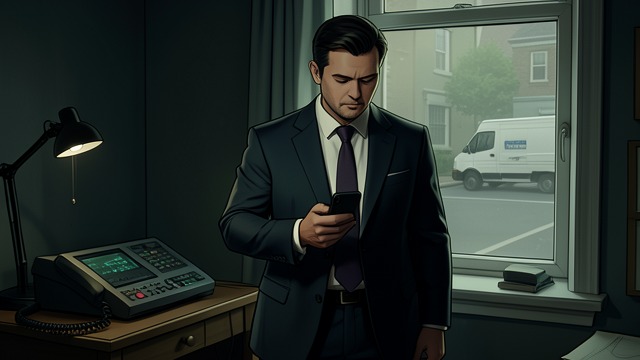
Martin Smith follows the Phantom case closely, praises the killer’s organization, and has access to Zoe’s address through shop records. When the delivery van goes missing, these details combine into a persuasive but incomplete theory.
Police search his home, but find no evidence that he has abducted Jill or Zoe. A neighbor’s recording later shows that the abductor is someone else.
The Danger of Certainty
Martin’s apparent fit illustrates how circumstantial details can make an innocent person look guilty. The police have to keep testing the theory rather than treating obsession or odd behavior as proof.
The Ordinary Face of Ken
A Familiar Worker Unmasked
A Trusted Role
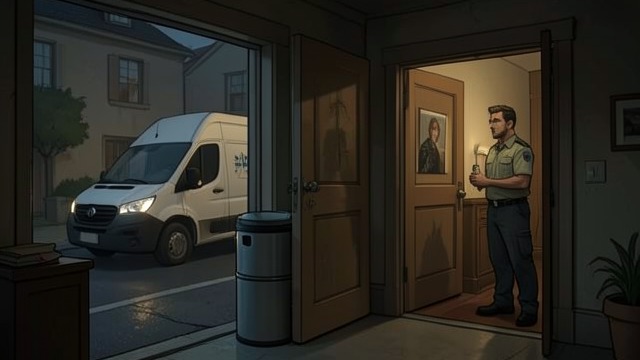
Ken Carlton is known as a delivery driver, and customers encounter him as part of an ordinary furniture business. He uses that familiarity to approach Zoe with a plausible explanation after seeing her at home.
His access to a delivery van and knowledge of customers’ addresses help him turn work into cover. The revelation that he is the Phantom disrupts the assumption that dangerous people will look or behave like obvious outsiders.
Seeing Beyond Appearance
The investigation identifies Ken through evidence and witness recognition, not through a visible mark of evil. The story insists that ordinary appearance and ordinary employment cannot substitute for scrutiny of actions.
Early February
Thursday 22 February
Friday 2 March
Saturday 3 March
Saturday 3 March
