
Public Safety and the Limits of Warnings
The CagePolice efforts to warn the public about fake taxis show how preventive advice can reduce risk only after the offender has established a method and some victims have already been taken.
increasing Bearing strength in each event
 decreasing
Bearing strength in each eventdecreasingA Taxi Distinction Explained
Knowing What to Hail
Two Kinds of Service
Jess Thomas explains that private hire vehicles must be booked, while hackney carriages can be hailed on the street. In Sunderland, the usual hackney cabs are white and display a roof sign.
The distinction matters because a person may trust a vehicle that merely looks like a cab. The killer exploits that everyday misunderstanding to make his approach seem legitimate.
Information as Prevention
The team recognizes that public education may prevent another person from getting into an unmarked vehicle. A procedural detail about licensing becomes a practical safety warning.
Jill Hails the Black Cab
The Warning Arrives Too Late
A Familiar Mistake
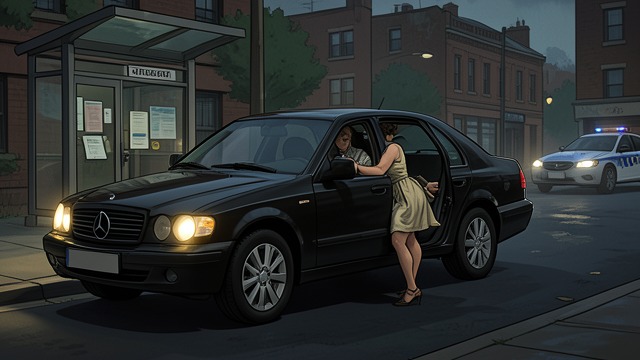
Jill sees a black car’s hire light come on and gets inside without checking for a proper roof sign. The driver locks the doors and ignores her destination.
She tries to use her phone but finds no service. By the time she recognizes the danger, the vehicle has taken her away from the route she expected.
Risk Made Concrete
Jill’s experience demonstrates why the police distinguish licensed vehicles from cars that only imitate them. The warning is not abstract advice; the killer has built his method around people assuming a light means safety.
Footage Reveals the Vehicle
CCTV Confirms the Black Car
A Public Record
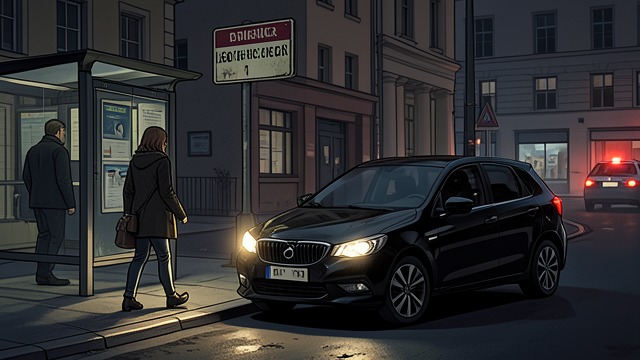
Paul Forrester finds footage of Jill walking toward a bus stop and then hailing a black vehicle with no roof sign. The image offers evidence that the new disappearance may be connected to the earlier taxi theory.
The recording cannot yet identify the driver, but it provides a time, a location, and a vehicle description. Police use it to focus their search and update the public.
A Method Exposed
Ken’s apparent invisibility depends partly on the ordinary flow of traffic. Once someone knows what to look for, the vehicle becomes visible in the camera record.
The Appeal and Its Risk

Warning Without Alerting the Killer
A Difficult Choice
Eve Strong’s team debates whether releasing the black-cab footage will warn Ken that police understand his method. Bill Nicol worries that the disclosure may make the careful offender harder to catch.
Senior officers nevertheless support a public appeal because another person could otherwise enter the vehicle. The investigation must balance preserving surprise against preventing another abduction.
A Public Duty
The appeal names the danger but does not identify Ken. It accepts that public safety may require sharing imperfect information even when doing so complicates the hunt.
A New Method Defeats the Warning

Ken Changes Tactics
The Cab Is Abandoned
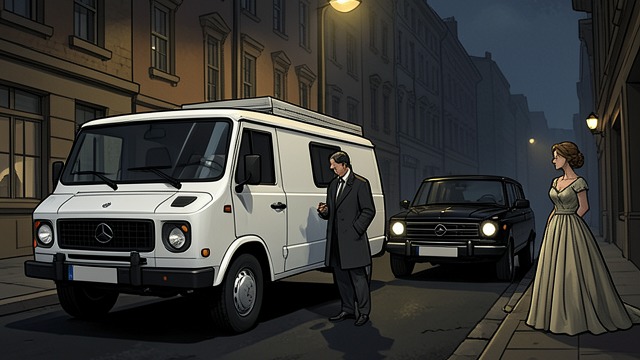
After the public appeal exposes the black vehicle, Ken realizes that using it again is risky. He turns instead to a delivery van and a pretext connected to Zoe’s recent furniture purchase.
The warning may reduce the chance that another woman will hail the cab, but it cannot prevent Ken from adapting. His knowledge of his target’s home and the credibility of a service visit give him another route to her.
Prevention Has Limits
The shift demonstrates that safety advice can address one method without eliminating a determined offender’s capacity to change. Public warnings remain valuable, but investigators must keep revising their understanding as the threat evolves.
Tuesday 20 February
Friday 23 February evening
Saturday 24 February
Saturday 24 February evening
Friday 2 March
