
The Phantom's Public Identity
The CageA sensational nickname turns an unidentified offender into a public figure, while the investigation works to replace myth with evidence and accountability.
increasing Bearing strength in each event
 decreasing
Bearing strength in each eventdecreasingA Name Takes Hold

The Phantom in Print
A Reporter's Creation
Warren Wilson writes that “The Phantom” steals women from their lives and then takes their lives. The phrase gives an unknown offender a dramatic identity that readers can repeat.
Eve Strong and Bill Nicol resent the sensational style because it may intensify fear and reward speculation. Yet once the name appears in print, it shapes how residents and reporters discuss the case.
Anonymity Becomes Myth
The killer’s ability to avoid detection begins to seem supernatural. The nickname can describe the public’s lack of information, but it risks making a human offender appear untouchable.
Residents Repeat the Name
Fear Travels Through Conversation
A Figure in Daily Life
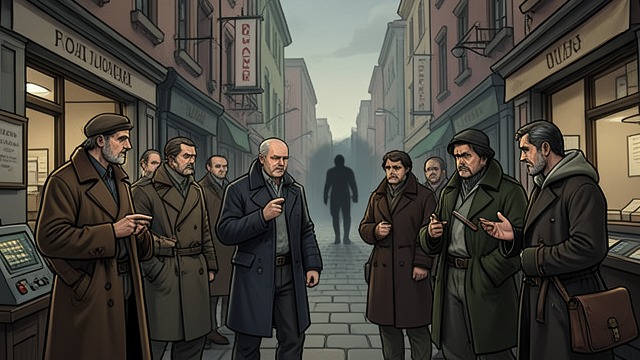
At work and at home, residents debate who the Phantom might be and how he selects women. Martin Smith speaks admiringly of the offender’s organization, while coworkers interpret his interest as disturbing.
The name allows people to discuss danger without knowing the man behind it. It also encourages them to assign the crimes to neighbors and acquaintances on the basis of unease.
Speculation Has Consequences
Public attention may generate useful tips, but it can also produce false suspicion. The police must separate observations from rumor while the community tries to make an invisible threat intelligible.
A False Suspect Fits the Myth

Obsession Mistaken for Identity
Martin Under Suspicion
Martin’s interest in the Phantom and his comments about the offender’s methods make him appear to fit the public image of a killer fascinated by his own crimes. His access to Zoe’s address adds a concrete-looking link.
Police search his home, but find neither captive. CCTV later shows that another man carried Zoe from the house, demonstrating that the myth has encouraged a theory stronger than the evidence.
The Name Must Yield
The investigation progresses only when officers stop treating a personality that resembles the headline as proof. The Phantom is not identified by his apparent fascination but by his actual trail.
The Name Meets the Man
Ken Carlton Is Identified
A Working Driver
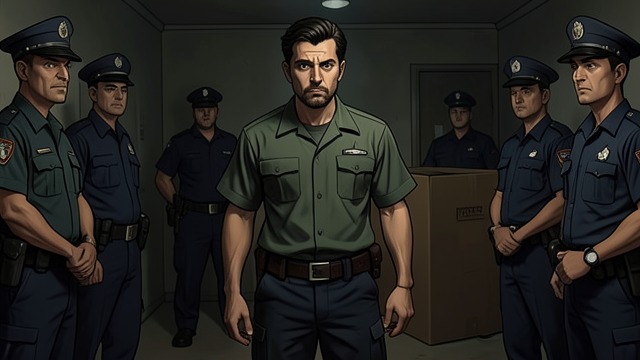
Josie recognizes Ken Carlton in the enhanced image from the delivery van recording. The ordinary employee who carried furniture into customers’ homes is revealed as the man behind the fake cab and loft cage.
Police find his vehicle and the physical arrangements that connect him to the crimes. The public nickname now has an identifiable person attached to it.
Myth Gives Way to Evidence
The arrest replaces the abstract idea of a phantom with a suspect whose actions can be documented and prosecuted. The discovery does not make the crimes less frightening, but it makes accountability possible.
What a Name Cannot Repair
Public Knowledge After Capture
The Case Becomes Concrete
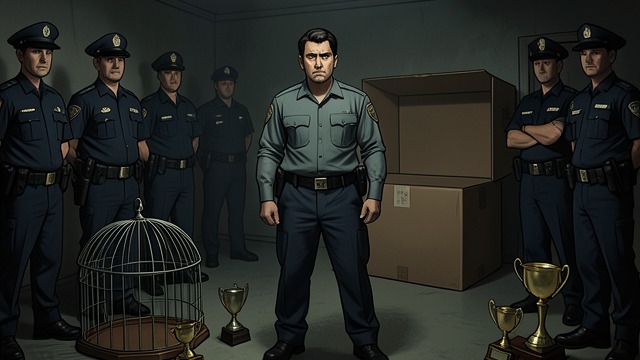
Once Ken is captured, the loft and trophy collection show what the sensational label had obscured: a man used ordinary places, occupational access, restraints, and deliberate violence to control women.
The name helped the public talk about the crimes, but it cannot describe the survivors’ experience or restore the dead. Their identities matter more than the killer’s publicity.
Attention Redirected
The narrative shifts from fascination with the Phantom to the victims, families, and evidence. Capture ends the immediate hunt, while justice and recovery become the work that follows.
Tuesday 20 February
Thursday 22 February
Saturday 3 March afternoon
Saturday 3 March evening
After Saturday 3 March
