
Themes Of Power And Survival
The Calamitous BobThis flow examines how the novel connects power with cost, dependence, and the responsibility to choose what survival means.
increasing Bearing strength in each event
 decreasing
Bearing strength in each eventdecreasingSurvival As Calculation
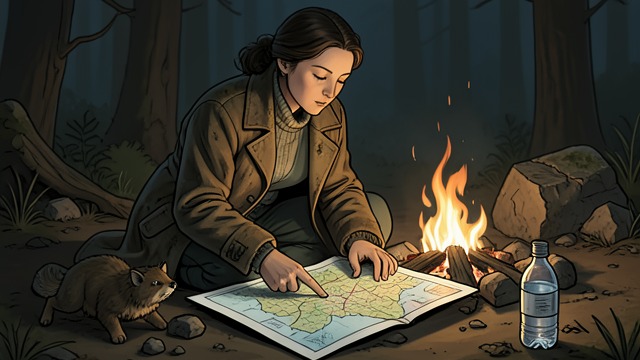
Survival As Calculation
Viviane Saint-Lys reduces an impossible situation to priorities: shelter, water, food, and escape. Her method reflects military training but also a deeper refusal to let fear dictate action.
Reason Under Pressure
The calculations are often crude, yet they keep her alive. Every resource is measured against distance, temperature, poison, and the behavior of monsters.
The Human Meaning
Survival is not presented as instinct alone. It is a learned practice that preserves enough agency for a person to make later moral and emotional choices.
Power And Poison
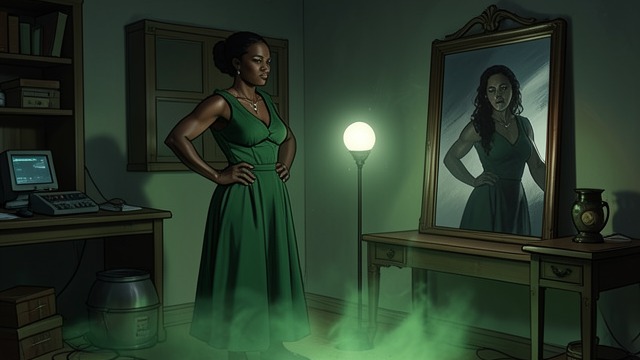
Power And Poison
Viviane Saint-Lys’s magical growth is inseparable from Mana poisoning. The stronger her Black alignment becomes, the more efficiently she can manipulate power and the closer she moves toward bodily collapse.
No Free Gift
The Interface presents progression as benefits, but the body pays for every improvement. Magic expands possibility while narrowing the time available to use it.
A Central Paradox
Viviane survives because she can tolerate what would kill others. Her exceptional potential is therefore also a vulnerability, making power both the solution and the disease.
Skill As Identity
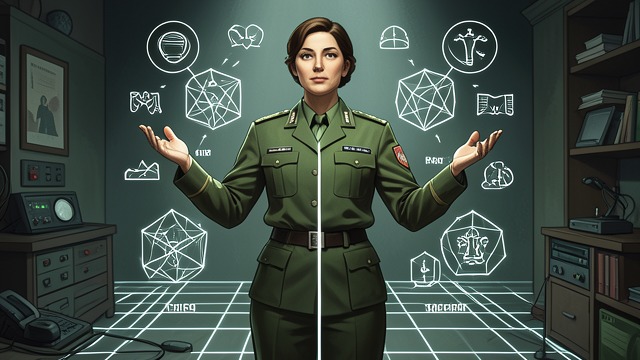
Skill As Identity
The Interface translates Viviane Saint-Lys’s education, military training, and habits into Skills and Paths. What once seemed like ordinary experience becomes a magical structure visible to the world.
The Self Categorized
Reading, mathematics, survival, combat, and domestic work are merged into abstractions such as Polymath and Householding. The system recognizes competence but also reduces a life to progression data.
Choice Beyond Numbers
The Path Commitment Rule offers power through commitment, yet requires Viviane to decide which concepts express her convictions. Her identity becomes both something she possesses and something she actively constructs.
Destruction Without Evil
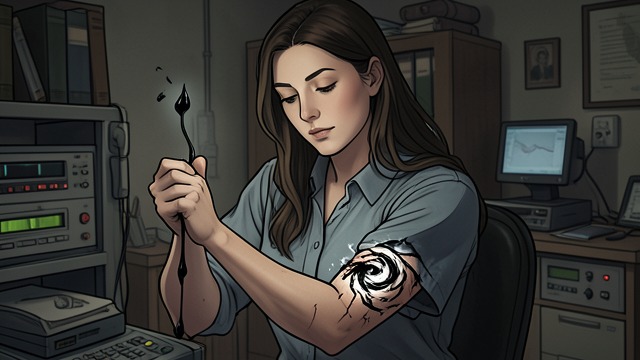
Destruction Without Evil
Viviane Saint-Lys distinguishes Black mana from moral evil while treating Jor’s wound. The energy destroys and changes, but it has no intention and no hatred.
Nature As Force
Her reflection compares Black mana to fire or a tsunami: dangerous, but not morally accountable. This understanding allows her to use destructive power without accepting the world’s prejudice against it.
Responsibility Returns
Even if the force is neutral, the caster is not. Viviane’s choices give Black mana purpose, making her responsible for how she directs it.
The Ethics Of Survival
The Ethics Of Survival
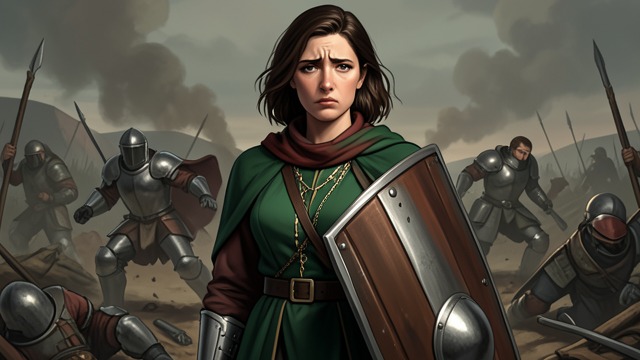
The siege forces Viviane Saint-Lys to confront the difference between protecting herself and allowing others to die for her. Solfis prioritizes her life, while Viviane insists that allies must matter.
Unequal Value
Solfis’s logic treats other people as variables in Viviane’s survival probability. Viviane rejects that calculation even when it would be strategically efficient.
A Continuing Conflict
The novel does not resolve the tension. Viviane survives because others sacrifice themselves, and she must decide whether future power will honor those sacrifices or merely justify them.
Harrak’s first night
During the first week in Harrak
After full Interface integration
During treatment of Jor
After the Siege of Fort Sky
