
Buck’s Struggle with Hunger
The Call of the WildHunger first forces Buck into adaptation, then exposes the destructive limits of human mismanagement during the failed expedition.
increasing Bearing strength in each event
 decreasing
Bearing strength in each eventdecreasingNorthern Appetite
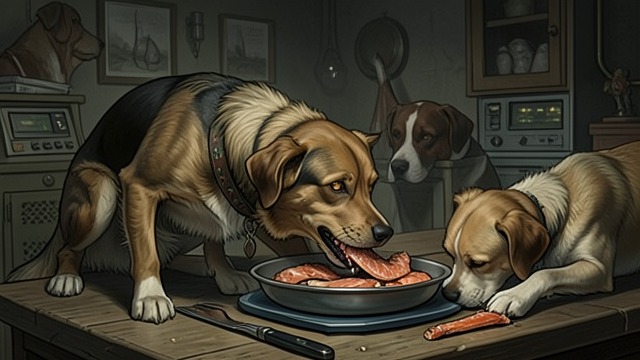
Rations against Exertion
Buck receives a pound and a half of dried salmon yet remains perpetually hungry under the trail’s demands.
Speed of Eating
Other dogs finish first and steal unfinished food, forcing Buck to abandon his former fastidiousness. He learns to eat quickly and defend his ration.
Hunger as Teacher
The stomach becomes a harsh instructor. It pushes Buck toward theft, alertness, and an ethic based on practical survival rather than civilized restraint.
Food Miscalculation
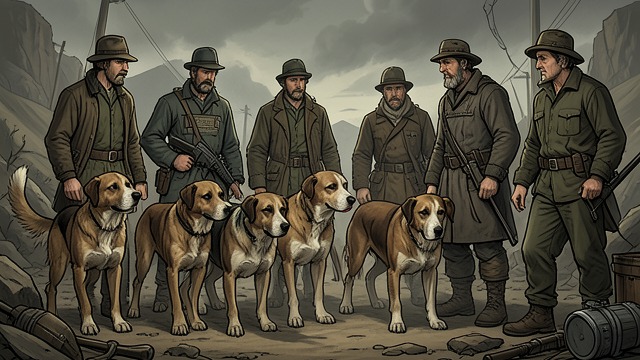
Supplies without Rest
Hal doubles the dogs’ ration because they pull weakly, while Mercedes secretly adds more food.
The Wrong Remedy
The dogs need recovery from accumulated labor, not simply more food. Their owners mistake visible hunger for the sole cause of collapse.
Inevitable Shortage
Because the expedition travels slowly and consumes supplies rapidly, abundance becomes underfeeding. Mismanagement turns hunger into a predictable crisis.
Horsehide Rations
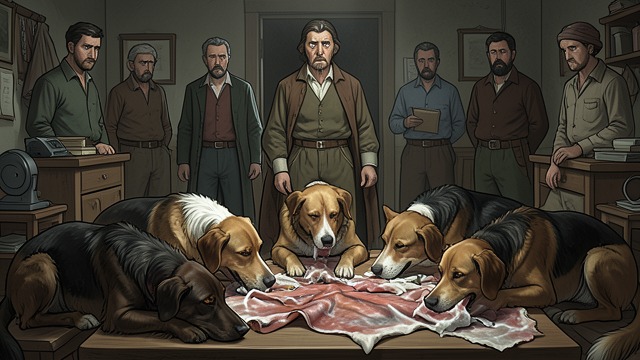
Food of Desperation
When dog food runs out, the travelers trade for frozen horsehide.
False Sustenance
The hide fills the dogs’ stomachs but provides little nourishment and irritates their digestion. Its apparent bulk conceals nutritional emptiness.
Bodies Consumed
The dogs become bags of bones animated by faint sparks of life. Hunger reveals the expedition’s moral failure because the humans continue demanding labor from animals already dying.
The first weeks of trail travel
The early days of Hal’s expedition
At the Five Fingers during the failed expedition
