
The Three Human Laws
The Call of the WildThe story’s moral architecture shifts from love and fellowship to club and fang, then toward a wild order that absorbs both.
increasing Bearing strength in each event
 decreasing
Bearing strength in each eventdecreasingLaw of Love
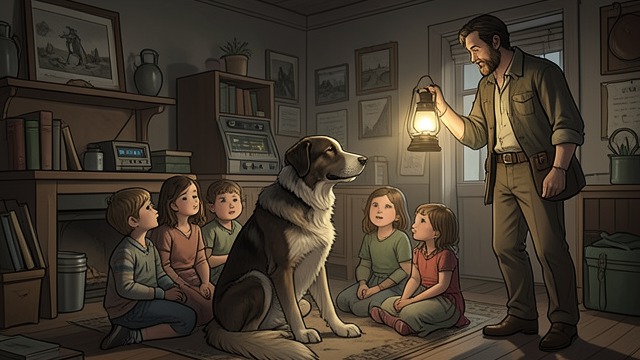
Security through Fellowship
Buck’s civilized world rests on family affection, property, routine, and human protection.
Social Confidence
He can guard children, accompany daughters, and sleep by the Judge’s fire because mutual trust governs daily life.
Limits of the Law
This law is powerful within its protected environment but offers no defense against kidnapping or commercial greed outside it. Its stability depends on institutions Buck cannot control.
Law of Club and Fang
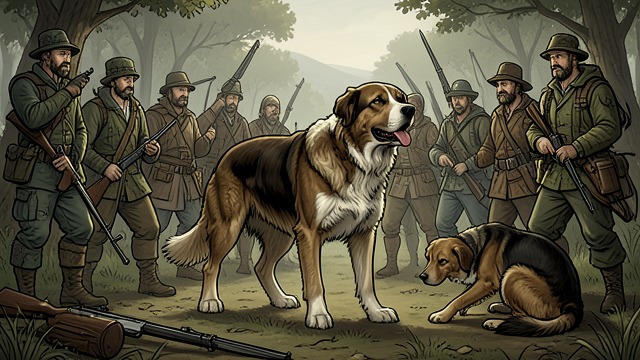
Survival through Force
The club governs Buck’s relations with men, while fang governs his relations with dogs.
New Rules
He learns to obey armed power, avoid falling, steal discreetly, and fight without mercy. These rules are brutal but intelligible.
Internal Transformation
Buck’s behavior becomes less civilized because the environment rewards alertness, cunning, and strength. The law is oppressive, yet it also gives him the means to survive.
Wild Reciprocity
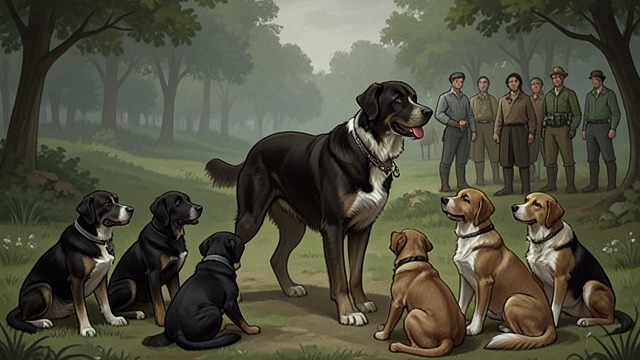
Order beyond Ownership
The Wolf pack accepts Buck after testing his strength and recognizing his kinship.
No Human Possession
Buck is no longer defined by a master, a price, or a harness. His place rests on what he can do and on the relationships he forms with other wild creatures.
A Larger Law
The wild order remains violent, but it is reciprocal: predator and prey, leader and pack, danger and response are visibly connected. Buck’s final belonging integrates force with freedom.
Buck’s life at Judge Miller’s estate
Buck’s transition through the northern camps
After Buck joins the Wolf pack
