
The Economy of Survival
The Call of the WildBuck’s body and conduct become increasingly efficient as the Northland rewards conservation, sensory precision, and adaptive intelligence.
increasing Bearing strength in each event
 decreasing
Bearing strength in each eventdecreasingSensory Expansion
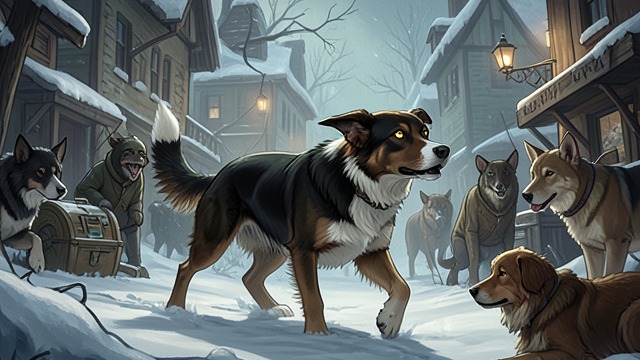
A Body Recalibrated
Buck’s sight, scent, and hearing become markedly sharper under cold, hunger, and danger.
Energy Conserved
He learns to break ice, protect his feet, forecast wind, and choose sheltered sleeping places. Each skill reduces waste in an environment where waste can mean death.
Adaptation as Knowledge
The Northland teaches through repeated bodily consequence. Buck does not theorize survival; he incorporates it into reflex.
Secret Theft
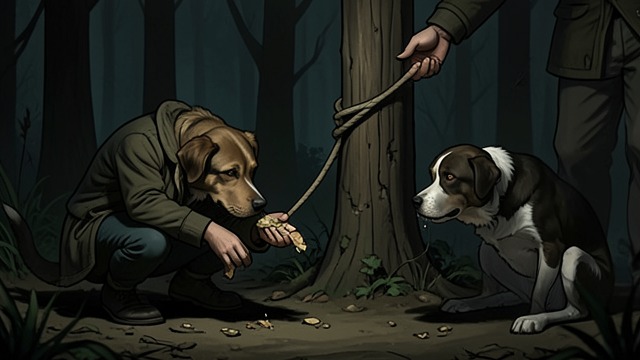
Cunning without Display
Buck steals food while another dog is punished for the offense.
Risk Calculation
He observes human attention, imitates successful behavior, and avoids open confrontation. The theft succeeds because he expends less energy than he would defending an ordinary ration.
Survival’s Economy
Buck’s intelligence is measured by results. His old moral identity weakens because concealment is more efficient than honor under hunger.
The Long Lope
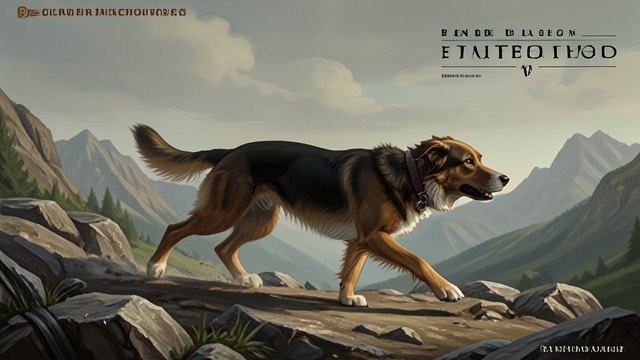
Movement without Waste
Buck learns to travel for hours in a long, easy lope that conserves strength while covering great distances.
Predator’s Efficiency
He kills only what he needs, uses cover, and waits when pursuit would waste energy. His body works as a unified mechanism.
Freedom in Economy
The efficient motion expresses more than survival. It gives Buck a sense of effortless belonging in the land, where movement itself becomes pleasure.
After several weeks of continuous trail work
During the first journey toward Dawson
During Buck’s solitary hunting expeditions
