
Astrid And Helge At The End
The CallerThis flow follows Astrid Landmark and Helge Landmark as illness narrows their shared life and an apparent funeral summons forces them to confront death together.
increasing Bearing strength in each event
 decreasing
Bearing strength in each eventdecreasingCare In The Everyday
Care In The Everyday
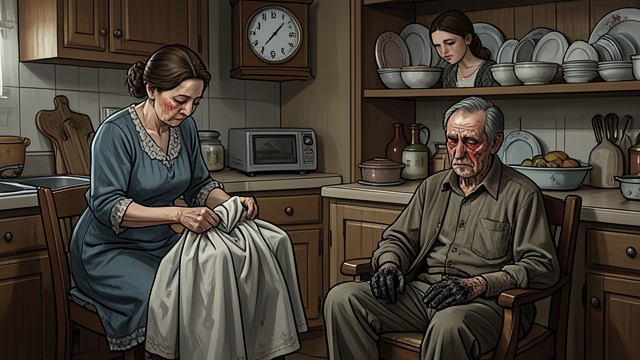
A household organized around illness
Astrid keeps busy with laundry, ironing, and meals while Helge’s ALS increasingly limits his movement and breathing. The work lets her postpone conversations she finds almost impossible to begin.
Love under pressure
Astrid remembers the strong, playful man she married and struggles with the helplessness of his present condition. Her private resentment at the illness frightens her because it seems to betray her love.
The couple’s bond is intimate but strained by care, exhaustion, and the approaching end of Helge’s life.
Death At The Door
Death At The Door
A false summons arrives
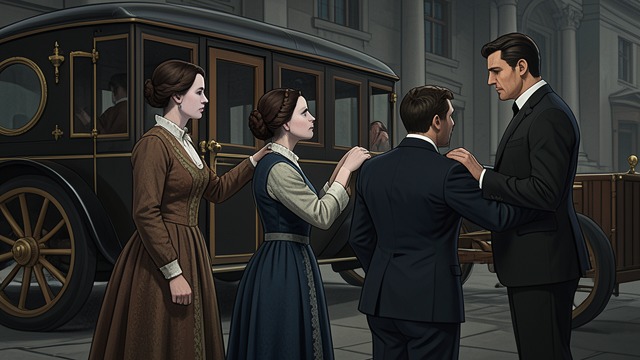
A funeral-home representative tells Astrid that Helge has been reported dead. She tries to shield him from the hearse and the men who have come to collect him.
The truth is spoken aloud
Astrid explains that Helge is alive and inside. The mistaken call reveals that the couple’s fear of death has already shaped their lives, even before a real death occurs.
The prank is cruel because it uses the exact future the couple has been unable to discuss. It forces Astrid to respond publicly to a death that has not happened.
A Shared Conversation
A Shared Conversation
Helge takes charge
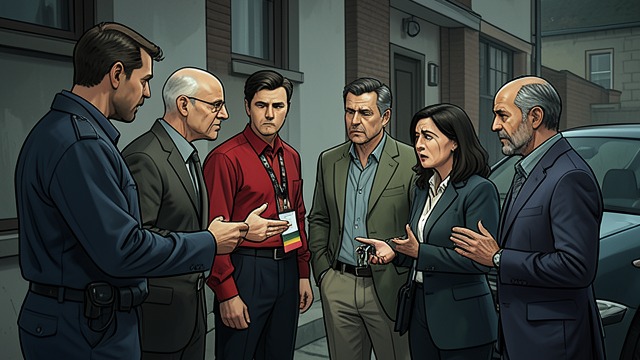
Helge asks Astrid to bring the funeral staff into the house and talks with them about their car. He asks for a promise that it will carry him when his time comes.
Astrid understands the request
The conversation gives Helge an active role, and the funeral staff respond with courtesy. Astrid cries but accepts the practical intention behind the request: he wants her to face the future with familiar people and an agreed plan.
For a brief time, they meet the question of death together rather than avoiding it. The prank accidentally opens a conversation the couple needed, though it does so through needless cruelty.
A Brief Return Of Agency
A Brief Return Of Agency
A choice about pleasure
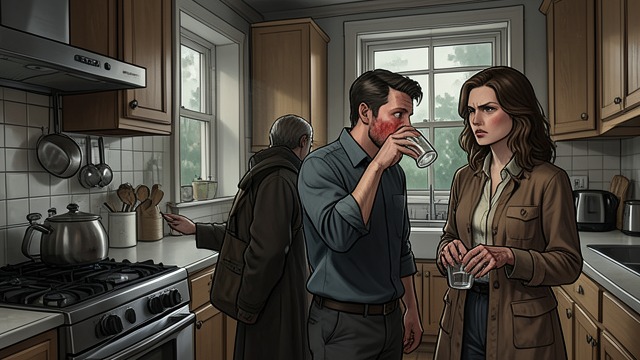
Helge asks for cognac and rejects Astrid’s concern about his medication. He insists that his remaining time matters more than avoiding every possible risk.
Pleasure has a cost
The drink gives him a short, vivid pleasure but leaves him exhausted. Astrid returns to the kitchen and works dough with force, trying to contain feelings she cannot yet express.
The scene shows a couple negotiating care without a perfect answer. Helge’s choice is not a cure, but it restores a small piece of control over his own life.
The Planned Farewell
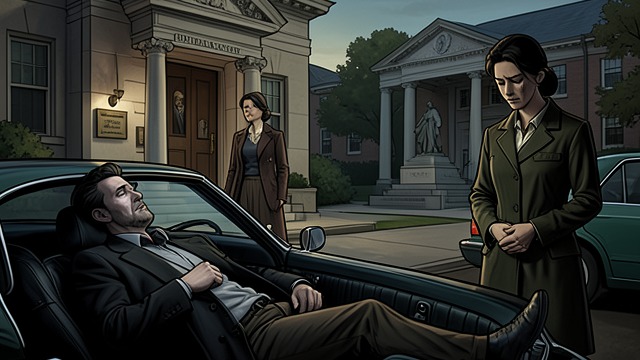
The Planned Farewell
Illness reaches its end
Helge’s health declines until he is placed on a respirator and later dies. Astrid loses her partner after months of watching his world contract.
A familiar car carries him
He is driven in the Daimler from the funeral home, the vehicle he had discussed with its staff during the false pickup. Their earlier agreement gives the final journey a personal familiarity.
The end of the story does not undo Astrid’s fear or grief. It shows how a cruel false visit and a genuine death become connected in the couple’s final shared history.
before the false funeral visit
during the false pickup
minutes after the false report is corrected
after the visitors depart
later in September, when Helge dies
