
The Meaning Of Revenge
The CallerThis flow traces how the novel presents revenge first as a promise of restored order and then as a force that deepens injury and uncertainty.
increasing Bearing strength in each event
 decreasing
Bearing strength in each eventdecreasingThe First Vow
The First Vow
A father imagines punishment
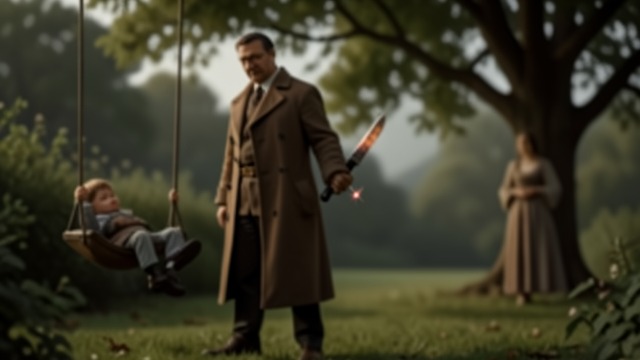
Karsten reacts to the attack by promising to tear the unknown perpetrator apart. His words express protective rage at the thought that someone entered his garden and frightened his child.
A response to helplessness
The vow gives Karsten an imagined action when he cannot control the past or guarantee future safety. Lily hears the anger as both devotion and a frightening change.
Revenge begins as an emotional attempt to make the family whole again, but it cannot restore the trust that has already been taken.
The Taste Of Retaliation
The Taste Of Retaliation
Anger seeks an explanation
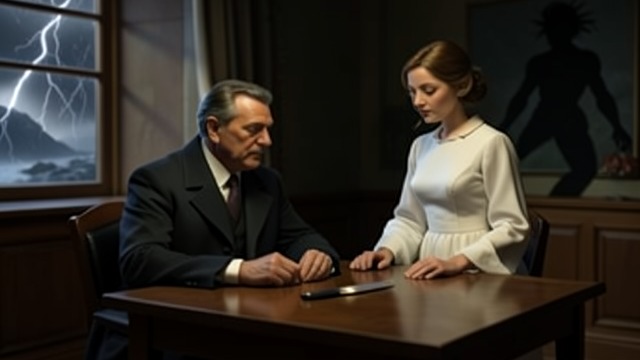
Karsten reflects on the idea that people who do not seek revenge leave wrongs uncorrected. He argues for swift punishment and doubts that ordinary legal procedures can connect crime with consequence.
Lily questions the pleasure
Lily asks why revenge is said to be sweet and resists the idea that violence is the only way to show strength. Their discussion exposes a deep difference in how they understand justice.
The question is not merely whether anger is justified. It is whether revenge can repair a relationship or only create another injury.
Else’s Hair As Trophy
Else’s Hair As Trophy
Retaliation becomes bodily harm
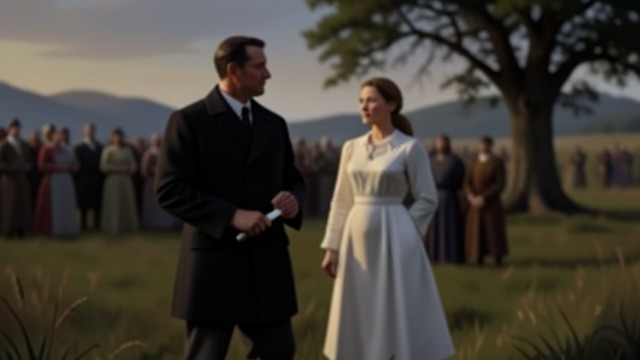
Johnny attacks Else after interpreting her teasing as humiliation. He cuts off her braid and carries it away as a trophy.
Revenge fails to silence her
Else survives, fights back, and later tells police what happened with characteristic directness. The assault does not establish Johnny’s superiority; it reveals his willingness to harm someone who challenges him.
The episode exposes revenge as an attempt to control another person’s meaning. Else’s continued voice frustrates the humiliation he intended.
The False Culprit
The False Culprit
A community demands payment
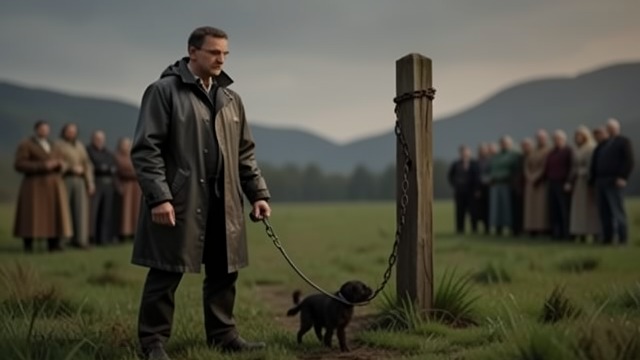
After Theo is killed, Schillinger faces the possibility of losing his dogs and his reputation. He attributes the open gate to sabotage, and many residents connect the act to the known hoaxer.
Blame is not proof
Johnny admits to other crimes but denies releasing the dogs. The community’s demand for punishment grows even though investigators cannot establish that he opened the kennel.
The desire to avenge Theo can become a reason to punish a person on suspicion alone. The novel distinguishes grief’s legitimacy from the certainty needed for a just verdict.
The Unsettled Reckoning
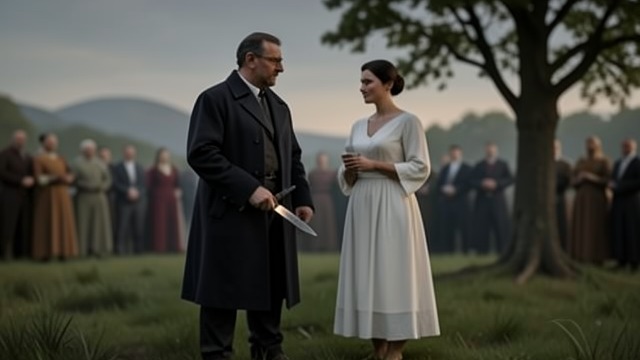
The Unsettled Reckoning
A death without a finding
Johnny is found at the dam, and investigators cannot determine whether he fell, chose to die, or was helped. The suspected release of the dogs remains equally unresolved.
Revenge cannot close the account
Karsten and Schillinger have shared anger, but no known outcome confirms that anyone has been punished for every harm. Theo’s parents remain bereaved, and Johnny’s death creates a new unanswered loss.
The reckoning the characters seek never arrives in a clean form. Revenge offers certainty in thought but cannot make the past controllable.
the evening Margrete is found in blood
during the months of fear and argument
the Thursday night of the assault
after Theo’s death
near the ending, after Johnny is found dead
