
The Need To Be Seen
The CallerThis flow traces the recurring desire for recognition in Johnny’s pranks and contrasts it with other characters’ need for attention, reassurance, or witness.
increasing Bearing strength in each event
 decreasing
Bearing strength in each eventdecreasingA Child Who Feels Overlooked
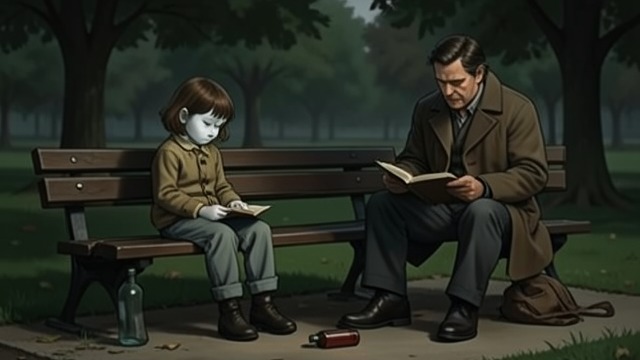
A Child Who Feels Overlooked
A life without steady recognition
Johnny grows up with a mother who is often drunk and with little sense that anyone depends on him. Henry is a rare exception, offering regular conversation and a welcome.
Recognition through disturbance
Johnny discovers that he can make strangers react by staging frightening events. The attention he receives is indirect, but it gives him a feeling of existence.
The novel connects invisibility to the appeal of disruption without treating the connection as an excuse for harm.
An Audience For The Pranks
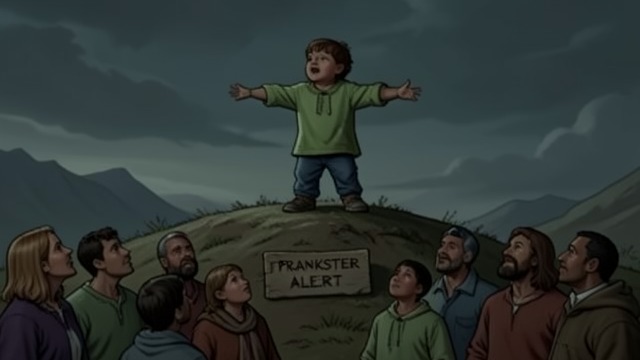
An Audience For The Pranks
Fear creates attention
Johnny imagines residents reading about his acts and discussing the unknown offender. He enjoys nicknames and public speculation because they make him the hidden center of the community.
Attention comes without care
The people affected do not know Johnny as a person; they experience the panic he produces. He receives notice but not the understanding or companionship he actually lacks.
The distinction separates being feared from being known. Johnny confuses the two because fear offers a fast, powerful response.
A Victim Asks Why

A Victim Asks Why
Confusion after the notice
Gunilla asks why anyone selected her and whether the prankster wanted to make people confused. She keeps to herself and cannot identify a personal grievance that would explain the attack.
The motive offered
Skarre suggests that Johnny may simply need attention. The explanation offers a possible motive, but it does not make the act feel less invasive to Gunilla.
The scene distinguishes understanding a perpetrator from comforting a victim. A motive can describe why someone acted without justifying the damage.
Sejer’s Public Face

Sejer’s Public Face
A careful statement
Sejer tells reporters that the police are taking the case seriously. He worries that excessive coverage could give the offender the audience he wants.
Visibility creates a dilemma
The police need public cooperation, but the perpetrator may become more confident when a large audience discusses his actions. Sejer tries to acknowledge his humanity without inflating his fame.
The investigation must seek information while avoiding the performance the offender has staged. Public attention can help solve a crime and reward its author at once.
Recognition After Arrest

Recognition After Arrest
A direct listener appears
Sejer gives Johnny time to speak and challenges him about the harm done to the victims. Johnny returns regularly and begins to treat the investigator as a meaningful adult presence.
Attention acquires a human form
Unlike the publicity of the hoaxes, Sejer’s attention is personal and responsive. Johnny can be questioned and still be addressed as a person.
The relationship suggests that being seen responsibly may differ from being sensationalized. It arrives late, however, and cannot undo the crimes or resolve the disputed dog attack.
before Johnny’s campaign begins
during the weeks-long campaign
during Sejer’s conversation with Gunilla
the evening the case reaches television news
during Johnny’s reporting appointments
