
Animals, Control, And Survival
The CallerThis flow traces the novel’s recurring contrast between animals as companions, symbols, and forces that exceed human control.
increasing Bearing strength in each event
 decreasing
Bearing strength in each eventdecreasingAnimals As Companions
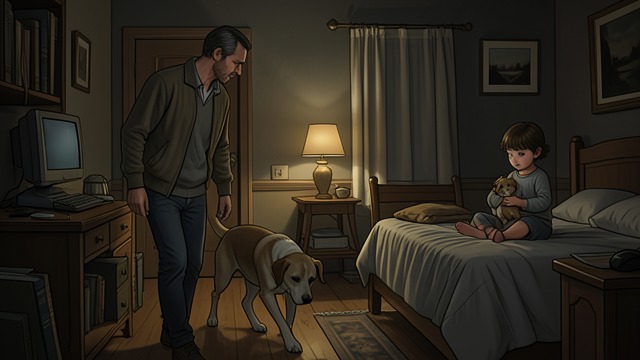
Animals As Companions
A familiar presence
Sejer’s dog Frank follows him through the flat and rests beside his bed. Johnny, meanwhile, cares for Bleeding Heart and later chooses a hamster when he cannot replace the guinea pig.
Affection has limits
The animals offer comfort, but the story does not present them as symbols that can solve their owners’ loneliness. Their dependence also reveals how vulnerable they are to human decisions.
Animal companionship appears as real attachment, not decoration. It sits beside the darker question of what people may do to creatures under their care.
The Dog As Discipline
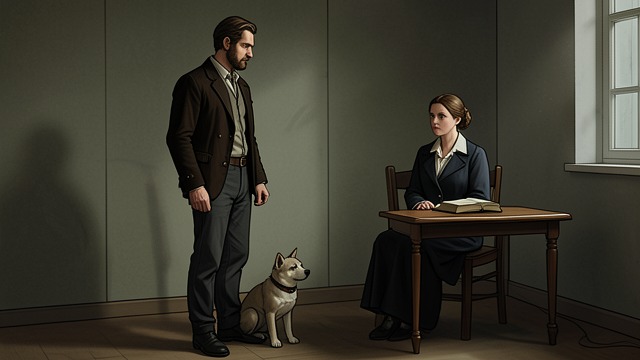
The Dog As Discipline
A model for swift correction
Karsten compares the justice system to training a dog and argues that punishment should immediately follow wrongdoing. In his view, delay prevents a clear connection between action and consequence.
A moral comparison challenged
Lily objects that people are not dogs and that criminal punishment cannot be reduced to an instant correction. Her response challenges the impulse to treat human beings as animals under control.
The analogy foreshadows the fatal dog attack while revealing how Karsten’s anger reshapes his moral reasoning. It is also a warning about the limits of metaphors that promise simple control.
A Pack In The Forest
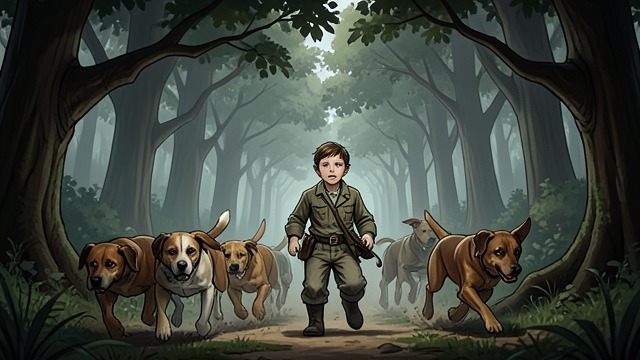
A Pack In The Forest
Domestic animals range free
Schillinger’s dogs leave the kennel and encounter Theo on a woodland trail. The pack’s coordinated attack kills the child before any adult can reach him.
Familiar categories fail
The animals are owned and cared for, but their behavior in a pack becomes predatory. Theo’s affection for nature and wilderness play provides no protection against their strength.
The event makes animal power more than metaphor. It exposes the danger of assuming that domestication eliminates instinct or that human intentions can control every outcome.
A Master Confronts The Pack
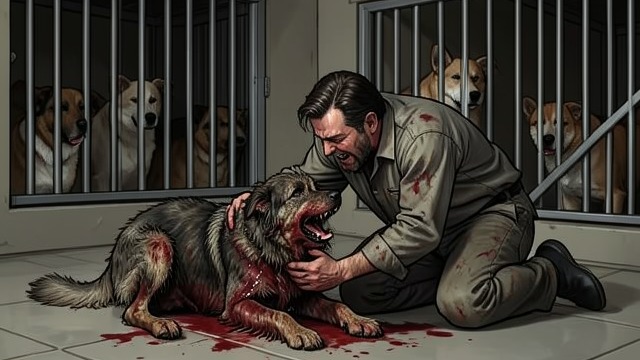
A Master Confronts The Pack
Familiar dogs appear changed
Schillinger finds blood on the dogs and sees them behaving differently after their hunt. He wrestles one down and asserts his authority over it.
Control is restored only outwardly
He washes the animals and locks them in the kennel again, but the actions do not explain where they went or what they did. Their familiar behavior returns without erasing the attack.
The scene distinguishes obedience from safety. A dog may appear subordinate after an incident without answering the question of why the incident was possible.
Nature Without Guarantees
Nature Without Guarantees
Sejer considers survival
After the dog attack, Sejer imagines what Frank might do if the two were trapped without food. He concludes that hunger could override their affectionate relationship.
Human nature enters the comparison
Sejer extends the thought to people, who also cling to life and may act from survival rather than ideal principles. The comparison is unsettling because it blurs the line between civilized behavior and animal instinct.
The novel does not claim that humans and dogs are identical. It asks what remains of affection and restraint under extreme pressure.
in the early scenes at Sejer’s home
during Karsten’s argument about punishment
the afternoon Theo is attacked
the evening Schillinger returns home
near the novel’s ending
