
The Cost Of Pranks
The CallerThis flow traces the gap between Johnny’s idea of playful mischief and the lasting consequences experienced by those he targets.
increasing Bearing strength in each event
 decreasing
Bearing strength in each eventdecreasingA Private Game
A Private Game
A perpetrator’s definition
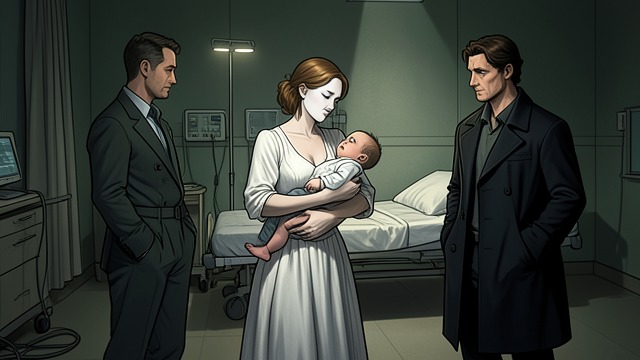
Johnny treats the staged attack on Margrete as an experiment in how people respond. He imagines the parents’ fear as proof of his cleverness.
A victim’s lived experience
Lily and Karsten experience a possible threat to their child, not an amusing puzzle. Their time in the hospital becomes pure terror even though Margrete is unharmed.
The contrast establishes that calling an act a game does not determine its effect on others.
Public Fear As Entertainment
Public Fear As Entertainment
A spectacle gains an audience
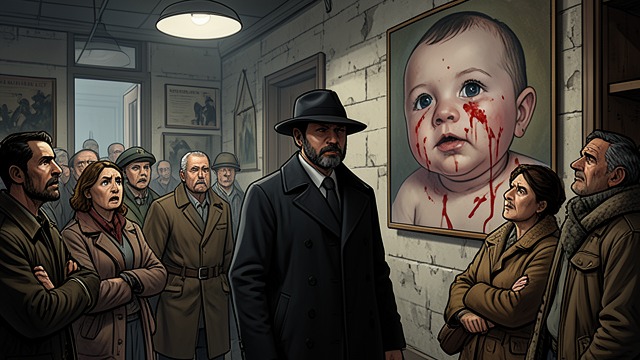
Johnny reads headlines about the blood-covered baby and imagines the collective shock of the community. He enjoys being able to provoke people who do not know his identity.
The press amplifies the event
Newspaper coverage gives the incident a wider audience, which may encourage the perpetrator even as it informs the public. Police worry about making the story more sensational than necessary.
The case makes attention part of the mechanism. Media can warn the community while also supplying the reaction the perpetrator craves.
A Sheep On The Road
A Sheep On The Road
A joke with material consequences
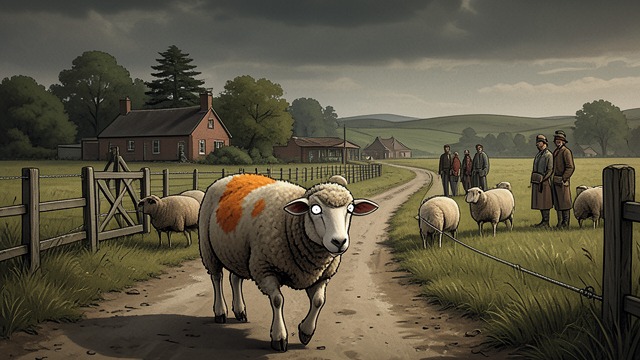
The orange sheep attracts laughter and a newspaper story, but the animal’s eyes are irritated and the open gates scatter sheep onto roads. Skarning must gather the flock to prevent accidents.
Humor has a limit
The incident appears less terrifying than the false death messages, yet it exposes a disregard for the animals and for road users. The perpetrator’s intentions do not control the risks created.
The act shows that even a prank that produces a comic image can create real harm beyond its intended audience.
A Braid Is Not A Joke
A Braid Is Not A Joke
A prankster turns assailant
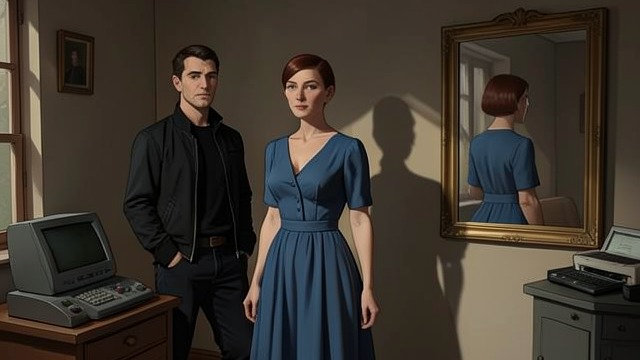
Johnny attacks Else and cuts off her braid, treating her body and appearance as material for his personal retaliation. His description of the act as a warning does not make it playful.
Injury survives the label
Else must return home, speak with police, and live with the physical change. Her humor and resilience do not erase the violation.
The assault marks a decisive break between prank and violence. The perpetrator’s preferred vocabulary can conceal the harm but cannot change its nature.
A Game Ends In Grief
A Game Ends In Grief
Consequences exceed intention
Johnny tells Sejer that he never meant to hurt anyone. The victims’ fear, the dogs’ fatal attack, Henry’s poisoning, and Johnny’s own death form consequences beyond the playful identity he claimed.
The word loses its shelter
Calling an act a prank cannot make it harmless when it takes another person’s security or life. The community must live with damage after the game itself has stopped.
The novel asks readers to judge actions by their effects as well as the actor’s stated intention. The gap between those measures is where Johnny’s self-excuse fails.
after the first prank
during the newspaper coverage
late summer, after the sheep is discovered
the Thursday night of Else’s assault
after Theo’s death and Johnny’s exposure
