Ingrid
The CallerIngrid is Konrad Sejer’s daughter, and her brief appearances reveal a family bond formed in the shadow of early bereavement. She is at once affectionate and candid: she welcomes her father with physical warmth, remembers the child she was, and explains that after her mother died she listened for signs that he was still there. Her memories give Sejer’s private life a human counterweight to the violence and fear occupying his work.
Identity and Family Context
Ingrid’s family history is marked by her mother’s death from cancer. Sejer had been widowed while still young, and his life had taken a different course from the one he had expected. Ingrid was very young when her mother died; she acknowledges that she does not think much about her mother, but describes in detail what followed for her relationship with her father. The loss did not survive in her account chiefly as a set of memories of her mother. Instead, it reorganized her attention around Sejer: where he was, how he was, and whether he was alive.
That history is present even when Ingrid is not in the room. When a late-night doorbell rings at Sejer’s flat, he immediately thinks of Ingrid and Matteus and wonders whether something has happened that they need him for. He decides they would have called if there were trouble, but the possibility comes to him before he opens the door. The moment links his readiness to help with the reciprocal family concern Ingrid later describes: each is alert to the other’s safety, though Sejer’s thoughts here also reflect his habitual readiness to serve anyone who might need him.
The Bond with Sejer
When Sejer visits Ingrid’s house, she pats his cheek and draws him inside, a small, direct gesture that establishes their ease before they begin to talk. Once he is settled, she stands before him with her arms crossed and introduces news about Matteus with deliberate drama. Her manner combines familiarity and playfulness; she can tease her father while also drawing him into the family’s immediate concerns.
Their conversation about her childhood has the same relaxed quality. Sejer recalls that she used to throw tantrums to get what she wanted, and Ingrid agrees, smiling that the tactic worked every time. The exchange makes their closeness legible through shared memory rather than explanation: he remembers her as a determined child, and she can acknowledge the success of her old strategy without embarrassment. The recollection also gives their adult conversation a longer history, showing a relationship in which his attention and her ability to press for it were familiar parts of family life.
Bereavement and Fear of Death
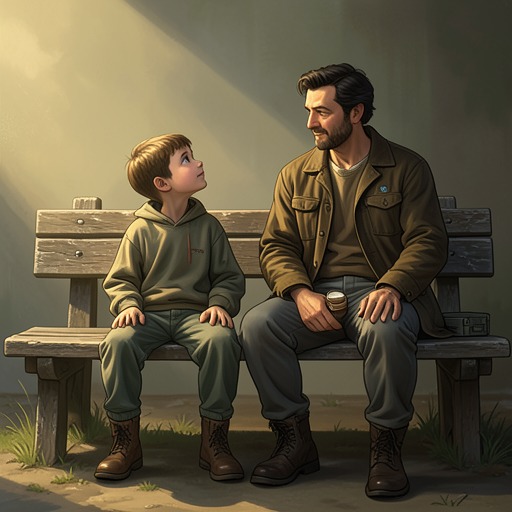
Ingrid’s most revealing account is her description of what she did after her mother died. From then on, she says, her attention was fixed on Sejer: where he had gone, how he was, and whether he was alive. She went around listening for his footsteps and his voice. The sensory details make her childhood vigilance concrete. Her fear was not expressed as an abstract idea; it took the form of listening for ordinary sounds that could reassure her that her father remained present.
When Ingrid asks Sejer whether he knows why she is so afraid of death, he does not know what she is leading toward, but waits for her to continue. The question follows directly from the family history she has just described, yet the scene does not supply her explanation. That pause matters: the text establishes the origin and intensity of her concern without resolving it into a complete account. Ingrid is allowed to name the fear and invite her father to hear more, while the answer remains beyond the moment shown.
Family Life in the Present
The visit also brings the family’s present-day concerns into the same intimate frame. Ingrid has told Sejer that Matteus pulled a muscle in his thigh; when Matteus comes through the hallway door, Sejer notices that he is limping. The injury is modest beside the death and violence that shape the surrounding narrative, but it gives the family scene its own immediate focus: Sejer’s attention turns quickly to whether the boy is seriously hurt and how it happened.
Taken together, these scenes make Ingrid important less through a separate plot campaign than through what her presence discloses about Sejer and the family around him. Her childhood listening, her frank recollection of the tantrums that got results, and her affectionate welcome all show different forms of closeness. Her question about death connects that domestic intimacy to the book’s wider concern with mortality, while the unresolved pause preserves the emotional complexity of her fear rather than reducing it to a single explanation.