Schillinger’s kennel-locking procedure
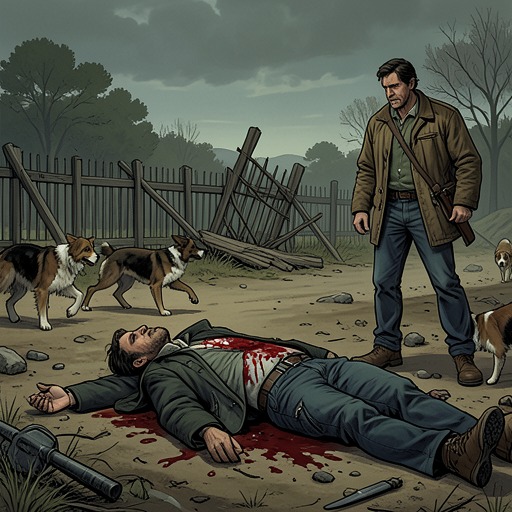
The CallerSchillinger’s kennel-locking procedure is the repeated sequence by which Bjørn Schillinger says he secures his dogs inside their enclosure: he shuts the door, pushes the bolt into place, and lowers the hook or latch, listening for the sound that confirms it has caught. After the dogs escape and kill Theo Bosch, this ordinary routine becomes a point of uncertainty: Schillinger insists he could not have forgotten it, while acknowledging that the dogs could get out if the door was left open.
The Routine
Schillinger describes the procedure as part of the care he provides when entering the kennel to feed the dogs, inspect their paws, or trim their claws. He says he slams the door behind him, latches the bolt until the iron screeches, and flips down the hook, listening for its click. The steps are sequential and physical, with sound serving as confirmation that the enclosure is secured.
He presents the routine as habitual rather than something requiring conscious effort. After thirty years of keeping dogs, he says, locking the kennel is ingrained in his mind and has become a reflex. That claim is central to his defense: he insists that he has always run a responsible dog team and argues that the dogs’ escape does not prove they were the animals that killed Theo.
The Escape and Its Contradiction
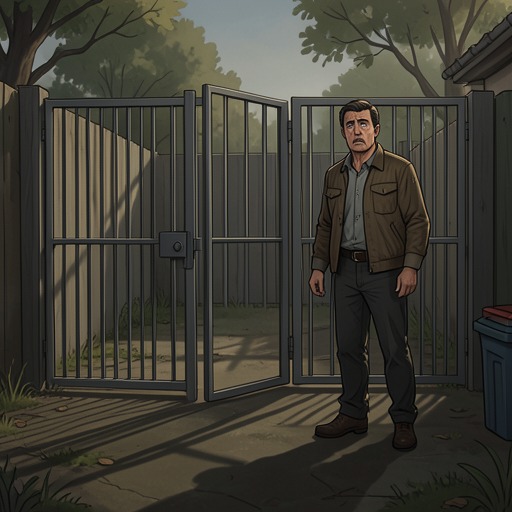
After finding the dogs out and bloody, Schillinger examines the kennel’s aluminium gate. It is intact: none of its bars has been cut, and the bolt and other fittings are in place. The evidence of damage does not explain the escape, and he wonders whether he could have forgotten to lock the gate even as he rejects that possibility.
He then gathers the dogs and puts them back inside, shutting the gate, pushing the bolt, and flipping down the latch before using a garden hose to wash the blood from them. As he works, he mentally rehearses his usual three movements and insists that he always closes the gate after feeding the dogs. The repeated sequence offers him a form of reassurance, but it does not establish what happened on the day of the escape.
Significance in the Investigation
When Sejer asks whether the kennel is adequate, the answer distinguishes the enclosure’s condition from whether its door was shut: it would be impossible for the dogs to get out on their own if the door had been closed. The procedure therefore makes the unresolved point precise. Schillinger’s account supports the possibility that he normally secures the kennel carefully, but his certainty about his habit cannot determine whether he completed the sequence on this occasion.
That gap matters because the dogs’ confinement is tied to responsibility for Theo’s death. Schillinger invokes his established care and the locking routine to defend his good name and the future of his dogs; the investigation, however, cannot treat a habitual procedure as proof that the gate was secured. The routine becomes both a practical safeguard and the measure against which his recollection is tested.