Theo Bosch
The CallerTheo Bosch is a small boy drawn to the freedom and confidence he sees in wilderness television. His imagined life as an intrepid explorer gives way to a real walk into the forest, from which he does not return: he is killed in an attack by Dogs, and his remains are later found by the investigators.
Family and Childhood
Theo lives with Wilma Bosch and Hannes Bosch. His mother pays close attention to food: the De-light crisps in his lap contain just 9 per cent fat, a quality that makes them acceptable to her. When Theo goes looking for her after watching television, Hannes says that she is resting with a headache and makes a dismissive generalization about women needing peace and a room of their own. The brief exchange places Theo between a careful, unavailable mother and a father whose casual remarks reveal a different attitude toward her needs.
From Imagined Wilderness to the Forest
Theo watches two episodes of Lars Monsen travelling outdoors by green canoe, fishing for trout, making campfires, and sleeping under the open sky. The wolf he imagines howling in the dark is not a threat but Good Old Greyleg gathering his flock. Monsen’s apparent fearlessness captivates him; after the episodes, Theo leaps from the sofa and runs to find his mother, carrying the exhilaration of the adventure into his own daydreams.
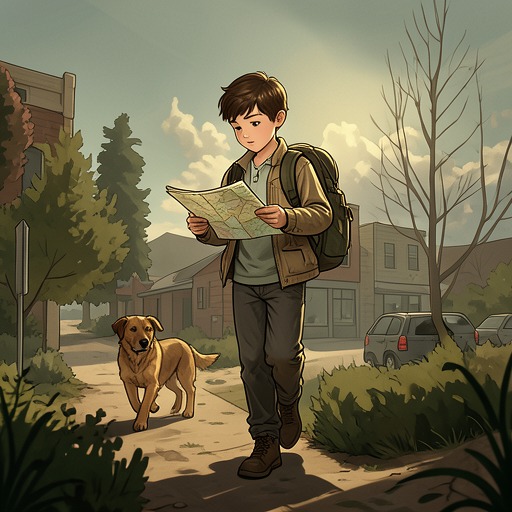
That attraction becomes a real departure. Hannes cautions Theo to use a knife carefully, and Theo promises he will. The boy walks on in enormous trainers, his large inherited feet making him look to his father like a tottering duck. Hannes watches until Theo rounds a bend; then the forest absorbs him. The contrast is stark: the screen had offered Theo a wilderness made safe by the reassuring story of a wolf watching over its flock, while the actual forest becomes the setting of his fatal encounter with Dogs.
Death and Narrative Significance
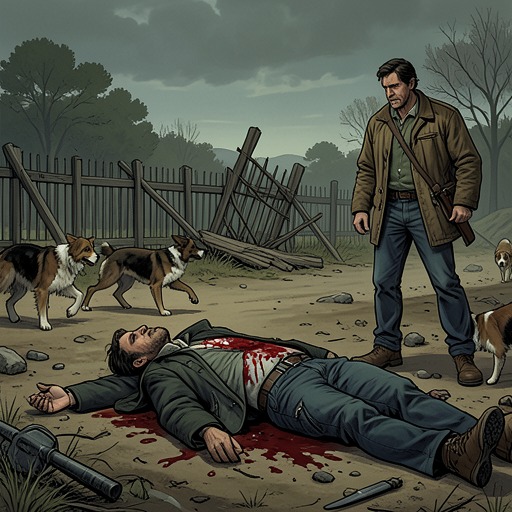
Theo’s death is presented not through the attack itself but through the scene in which Konrad Sejer sees the child’s remains. A small rucksack bears a Kvikklunsj chocolate-bar patch, and a toy has fallen from it. The body is badly torn: bones protrude, the left arm is missing from the elbow, and parts of the face are gone. Sejer can make out what may be khaki shorts and one white trainer, but he cannot find its match or the missing arm. The concrete remnants of an ordinary child’s outing—the rucksack, patch, toy, and trainer—make the loss sharply personal. Theo’s brief arc turns the appeal of fearless adventure into a fatal separation between the child’s imagined mastery of the wild and his vulnerability within it.