
Avarice as Self-Destruction
The Canterbury TalesThis flow traces greed from sermon and desire to conspiracy, poisoning, and moral self-annihilation.
increasing Bearing strength in each event
 decreasing
Bearing strength in each eventdecreasingThe Root Formula
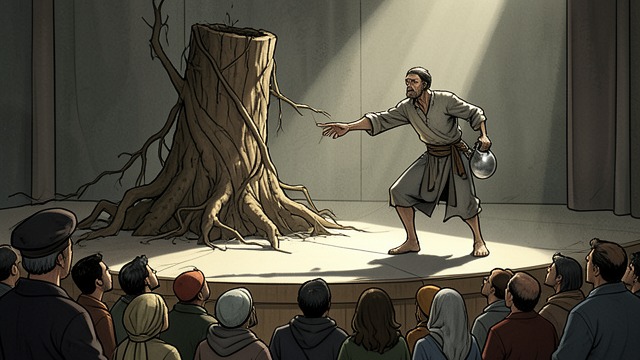
The Root Formula
Moral Proposition
The Pardoner repeatedly declares that greed is the root of evil. The phrase provides a simple interpretive key for the coming exemplum.
Irony of the Speaker
Because he uses the doctrine to collect money, the formula condemns both his audience and himself. Truth and motive separate immediately.
Gold as False Providence
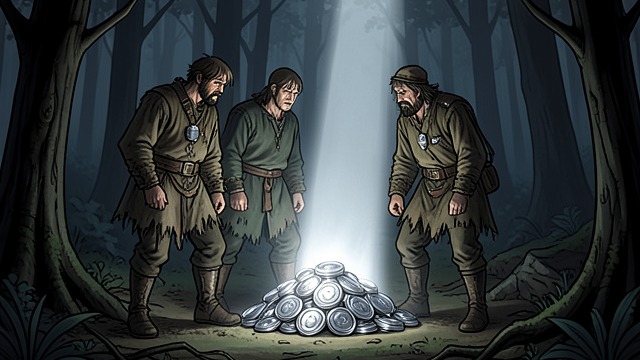
Gold as False Providence
Unexpected Fortune
The Three Rioters find wealth where they expected Death. Gold appears to offer a providential escape from mortality.
Desire Rewritten
Their original oath disappears as soon as possession becomes possible. The treasure reveals the appetite already hidden beneath their rhetoric.
Conspiracy of Two
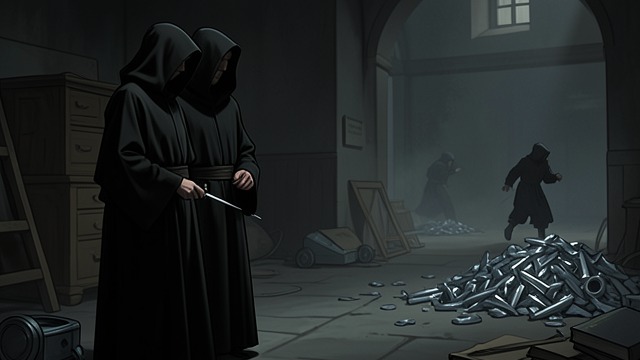
Conspiracy of Two
Fraternity Broken
Two rioters plan to murder the third and divide the gold. Their partnership is founded on betrayal before the victim returns.
Arithmetic of Greed
The gold is treated as more valuable when shared by fewer people. Calculation turns friendship into a target.
Poisoned Provisions
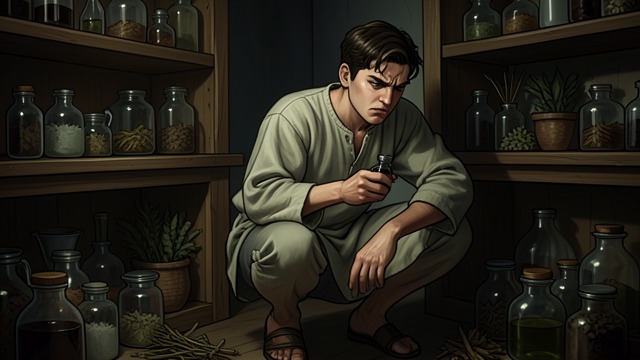
Poisoned Provisions
Private Plot
The youngest buys poison under the pretense of killing vermin. He imagines a future in which the entire hoard belongs to him.
Appetite’s Double Edge
He carries the means of murder toward men who have made the same decision. Greed creates a closed circle in which every plan points back to death.
Moral Confirmation
Moral Confirmation
Reciprocal Murder
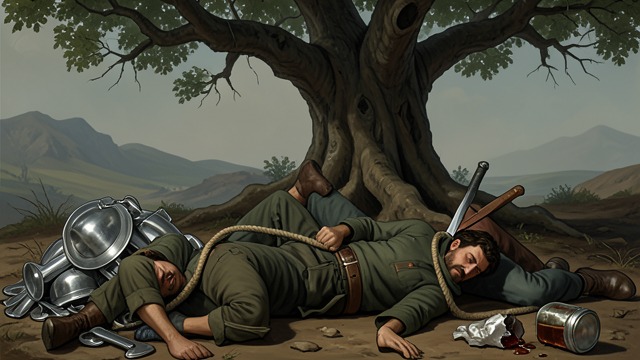
The elder pair stab the youngest, then drink the poisoned wine and die. Every participant receives the consequence he intended for another.
Preaching Aftermath
The Pardoner immediately tries to monetize the moral. The story condemns avarice while the teller demonstrates its institutional persistence.
Opening of The Pardoner’s Tale
After the rioters reach the tree
After the youngest leaves for provisions
During the youngest rioter’s return from town
At the tale’s conclusion
