
Narrative Morality and Audience
The Canterbury TalesThis flow follows how storytellers frame, interrupt, and redirect their tales in order to control the moral response of listeners.
increasing Bearing strength in each event
 decreasing
Bearing strength in each eventdecreasingThe Knight’s Restraint
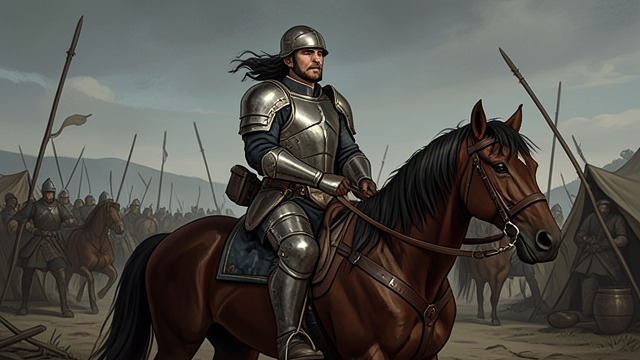
The Knight’s Restraint
Refusal of Digression
The Knight summarizes Theseus’s earlier conquests rather than narrating every battle. He values the movement of the tale over exhaustive display.
Narrative Discipline
His brevity establishes a standard of controlled storytelling. Later speakers will challenge that standard through excess, interruption, or comic disorder.
Friar’s Attack
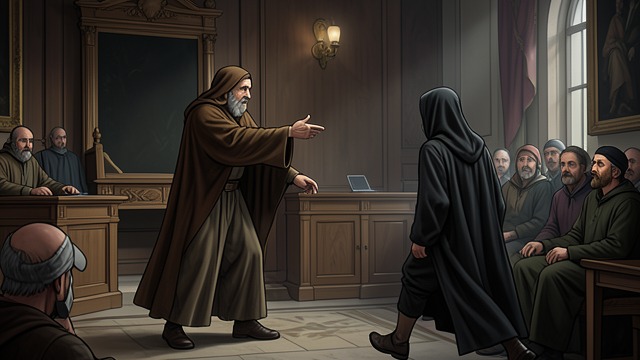
Friar’s Attack
Targeted Storytelling
The Friar chooses a tale about a Summoner and repeatedly emphasizes the man’s crimes. The narrative is shaped by professional rivalry.
Moral and Retaliation
The story warns against corruption but also functions as an attack on a social enemy. Its moral energy is inseparable from spite.
Student’s Framing
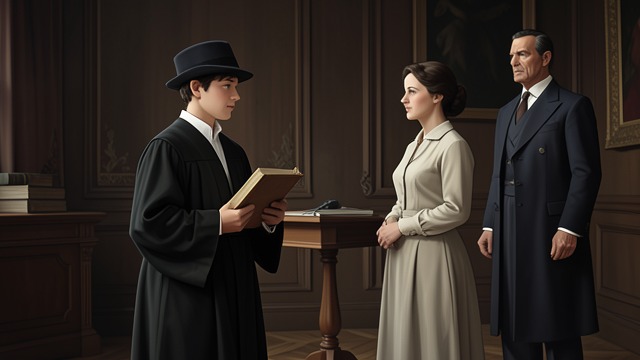
Student’s Framing
Learned Transmission
The Student attributes the tale to Petrarch and describes its elevated source. Authority is established before Griselda appears.
Reinterpretive Ending
The tale later warns women not to imitate Griselda and men not to imitate Walter. Framing controls how a troubling story should be received.
Pardoner’s Self-Exposure
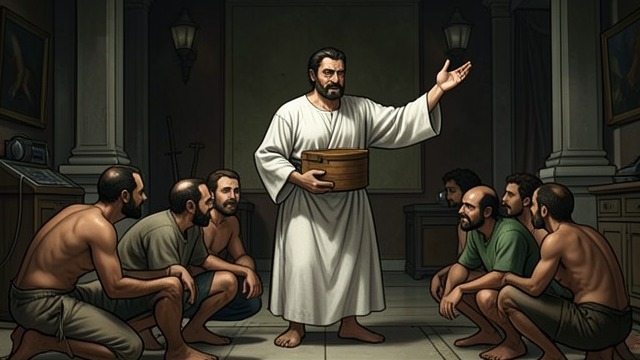
Pardoner’s Self-Exposure
Confession as Performance
The Pardoner openly explains how he deceives congregations. His honesty seems to cancel hypocrisy, yet it is itself part of his rhetorical show.
Audience Complicity
Listeners can admire his craft while condemning his greed. The tale makes moral response unstable because the corrupt speaker is also an effective teacher.
Nun’s Priest’s Moral
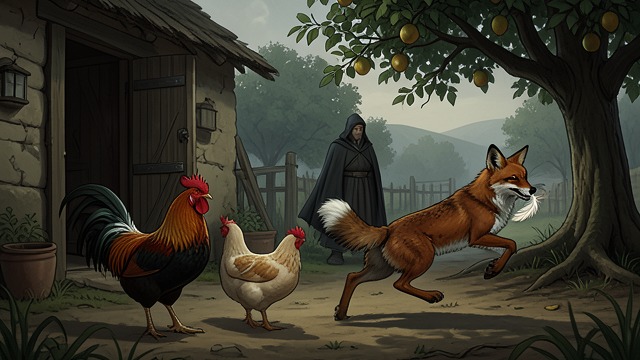
Nun’s Priest’s Moral
Comic Surface
The tale contains talking animals, sexual comedy, and exaggerated pursuit. Its entertainment value prevents the moral from becoming simple sermon.
Extracting the Fruit
The narrator asks readers to separate instruction from ornament. Meaning is presented as something the audience must actively recover.
Opening of The Knight’s Tale
Opening of The Friar’s Tale
Opening of The Student’s Tale
Before the Three Rioters’ exemplum
After Chanticleer’s escape
