
The Paradox of Griselda’s Love
The Canterbury TalesThis flow traces Griselda’s devotion to Janicula, Walter, and her children, showing how love survives even when authority turns cruel.
increasing Bearing strength in each event
 decreasing
Bearing strength in each eventdecreasingDaughterly Care
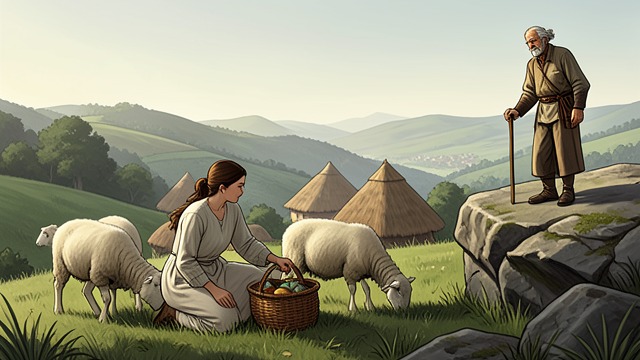
Daughterly Care
Labor for Janicula
Griselda spins, tends sheep, gathers food, and preserves her father’s life. Love appears as repetitive material service.
Moral Foundation
Her later obedience to Walter grows from habits already formed in poverty. The tale links devotion with endurance but also prepares the danger of excessive submission.
Marital Devotion
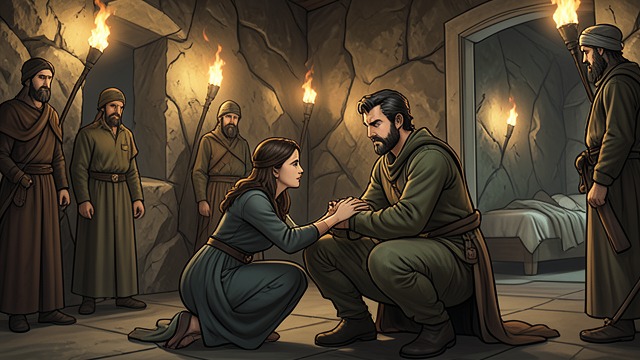
Marital Devotion
Complete Trust
Griselda accepts Walter’s authority and promises not to resist him. She understands marriage as transferring her will into his keeping.
Emotional Security
Walter’s favor appears to reward her humility. The relationship is tender in form even while unequal in power.
Maternal Supplication
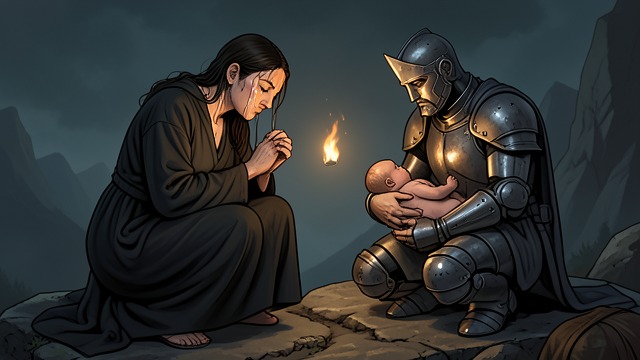
Maternal Supplication
One Final Request
Griselda does not resist the removal of her daughter but asks that the child’s body be protected from animals. Her restraint reveals love through the narrowest possible appeal.
Hidden Anguish
The child survives, but Griselda does not know this. Her emotional suffering is real even though the apparent death is staged.
Mother’s Recognition
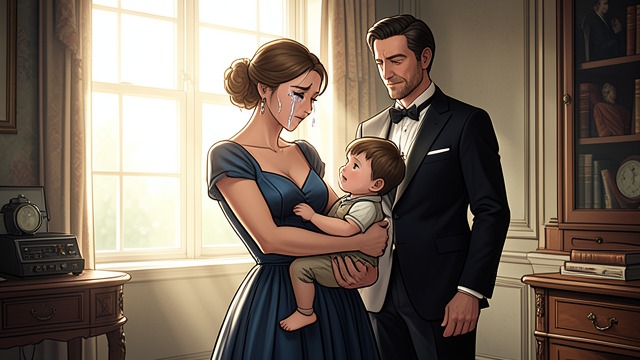
Mother’s Recognition
Shock of Return
Griselda recognizes the supposed bride as her daughter and embraces both children. Joy breaks through the discipline that had concealed grief for years.
Family Reassembled
The restoration reunites maternal love with public identity. Her first response is gratitude rather than revenge, preserving the tale’s emphasis on constancy.
The Tale’s Warning
The Tale’s Warning
Patience Reframed
The narrator says the story is not a practical command for wives to imitate Griselda. Her endurance is treated as an extreme moral example.
Limits of Admiration
The closing song warns husbands not to test patience so cruelly. Love survives, but the narrative finally exposes the damage behind Walter’s idealization.
Before Walter’s marriage proposal
At the marriage in Saluzzo
During the removal of the daughter
At the final feast
The epilogue after the restoration
