
The Instability of Appearance
The Canterbury TalesThis flow traces how clothing, relics, disguises, dreams, and magical displays conceal or reveal moral reality.
increasing Bearing strength in each event
 decreasing
Bearing strength in each eventdecreasingRusty Knightly Cloth
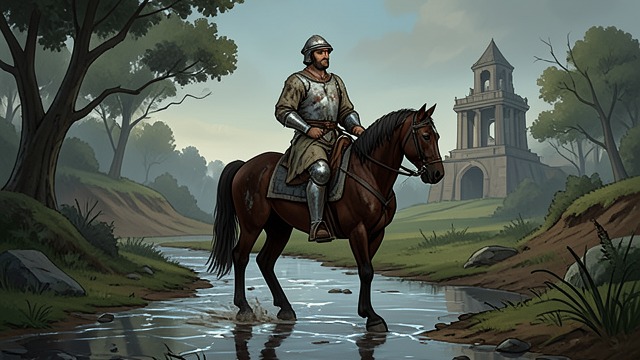
Rusty Knightly Cloth
Outer Modesty
The Knight returns from expedition in a worn tunic rather than rich dress. His clothing suggests that honor need not announce itself through luxury.
Conduct as Evidence
His reputation rests on service, courage, and humility. The portrait establishes behavior as a more reliable sign than appearance.
Philostrate’s Disguise
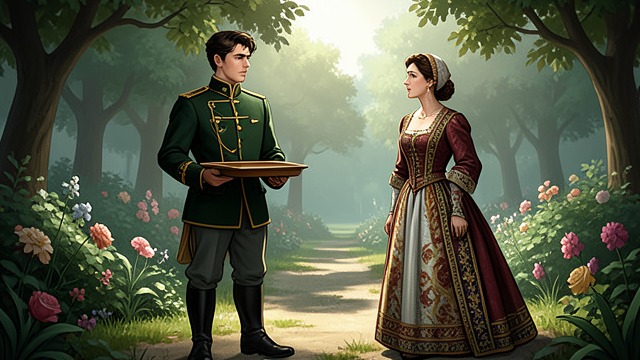
Philostrate’s Disguise
Concealed Identity
Arcite adopts the name Philostrate and serves in Emily’s household. His altered appearance grants access while intensifying inner separation.
Virtue Through Performance
He gains promotion because his conduct appears noble. The disguise hides identity but also reveals that social recognition can respond to practiced virtue.
False Relics
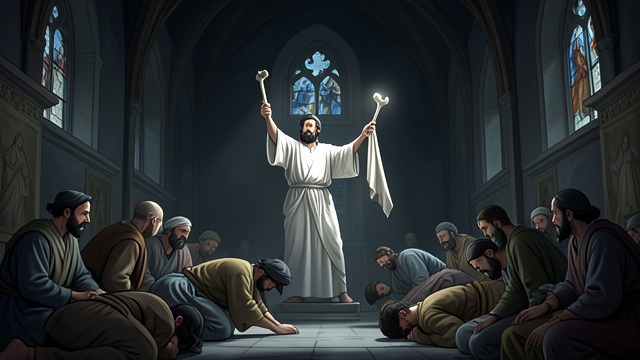
False Relics
Material Authority
The Pardoner displays bones and cloth as sacred objects. Their physical presence persuades people more readily than invisible doctrine.
Surface Against Truth
The relics are fraudulent, but the audience’s desire for tangible grace makes them powerful. Appearance succeeds because belief supplies the missing meaning.
Magical Landscape

Magical Landscape
Visual Transformation
The Magician makes the Breton rocks appear to vanish. The world itself becomes a theatrical surface shaped by technical illusion.
Ethical Consequence
Although the sight is false, it produces real obligations. The tale shows that appearances can alter conduct even when everyone later learns they were manufactured.
Fox’s Performance

Fox’s Performance
Borrowed Gentility
Russell speaks as though he were Chanticleer’s admirer and friend. Courtesy becomes camouflage for predation.
Truth in Reversal
The fox’s disguise fails only when he believes his own performance. Appearance is defeated by the same vanity it created in his victim.
General Prologue
After Arcite’s release
The Pardoner’s opening performance
Winter in The Franklin’s Tale
Morning of Chanticleer’s capture
