Back Bay
The Captain and Ann BarbaraBack Bay, in the geography of Mary Antin's memoir, is more than a neighborhood; it is a social pole, the glittering counterweight to the slums of the South End where she lived. It is the district of the "aristocrats," of girls who came to school in carriages, of satin drawing-rooms and delicate porcelain cups. For the immigrant girl from Polotzk, Back Bay embodies the highest reaches of American society, a world so different from her own that she could only perceive the incongruity of ever belonging there. It is the fixed point of privilege against which she measures her own ascent, a place she observes with wonder, respect, and a clear-eyed awareness of the distance between her world and its own.
A World Apart: The Aristocratic Ideal
The Back Bay girls at the Latin School were a study in contrasts for Mary. They arrived in carriages, their silk petticoats rustling in the schoolroom, a sound that seemed to protest against her own shabby and ill-fitting clothes. Yet, these girls did not hold themselves aloof. They rated her by her scholarship, not by her father's occupation, teasing and admiring her for learning the footnotes in the Latin grammar by heart. They were generous in their appreciation of what it meant for a girl from the slums to be in the Latin School, on the way to college. However, Mary discovered something inimitable in the way these Back Bay girls carried themselves, and she felt the incongruity of Commonwealth Avenue entwining arms with Dover Street. Their intimacy ended on the steps of the school-house, a boundary she herself maintained, feeling she had no time for visiting and that such a crossing was not yet possible.
The Double Life: Between Dover Street and Beacon Street
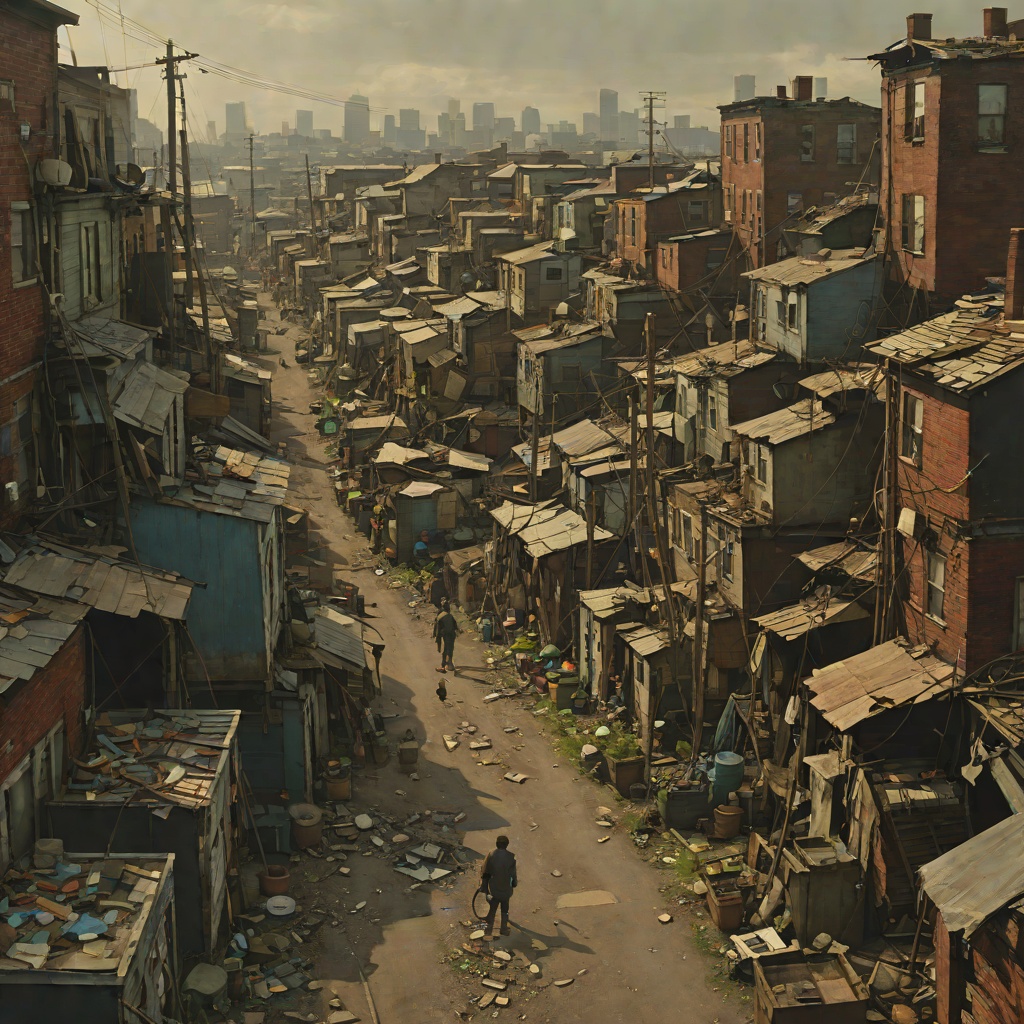
Mary's life became a double existence, shuttling between the reeking slums and the gilded drawing-rooms of the Back Bay. From her bare room overlooking the lumber-yard, she would visit aristocratic friends, drinking afternoon tea with gentle ladies whose hands were as delicate as their porcelain cups. The shock of the contrast was like a searchlight turned suddenly on her life. Coming straight from the cushioned refinement of Beacon Street, where the maid who brought her hostess her slippers spoke in softer accents than the finest people on Dover Street, she would sometimes stumble over poor Mr. Casey lying asleep in the corridor. This jarring juxtaposition forced her to ponder the revelation of her own life, and she wrote touching poems in which she figured as a heroine of two worlds. Her journal was full of comments on the contrasts of life, copied from her busy thoughts in the evening after a visit to her aristocratic friends.
A Graciously American Relation
The relationship between Mary and her Back Bay schoolmates was, in her own words, a "graciously American relation." They parted on the steps of the school-house in mutual respect, the girls guiltless of snobbishness, and Mary innocent of envy. She admired some of them for their good looks, beautiful manners, or more subtle attributes, but always at a distance. She did not "go with" any of the girls in the school-girl sense, and the one exception, her chum Florence Connolly, was of her own social order, her father presiding over a cheap lunch room. The Back Bay girls, for their part, were democratic enough to have invited her to their homes, although to some she was "impossible." This distance was not born of malice but of circumstance, a mutual recognition of the vast social gulf that lay between them, a gulf that Mary, with her characteristic clear-sightedness, accepted as a fact of her current life.
The Citizen in the Making
Mary came to understand that the friendship and patronage she received from the Back Bay world were not merely personal kindnesses but part of a larger civic project. The gracious friends who admitted her to their tables, despite her coming direct from the slums, were cherishing the citizen in the making. They opened their homes to her so that she might learn how good Americans lived. In the least of their attentions, they were fostering her Americanization, helping to shape the immigrant girl into a fellow citizen. This understanding reframes the social distance she felt; it was not a barrier but a bridge, a deliberate and generous effort by the established to welcome and elevate the newcomer. The Back Bay, in this light, becomes not just a symbol of unattainable privilege but an active agent in the Americanization process, a place where the promise of America was enacted through personal generosity and civic-mindedness.