Beacon Street
The Captain and Ann BarbaraBeacon Street stands in Mary Antin's memoir as the glittering summit of Boston society, the address of the 'lord of the manor' and of gentle ladies whose hands were as delicate as their porcelain cups. It is the fixed point of aristocratic refinement against which the squalor of her own Dover Street existence is measured, and the very shock of that contrast — a searchlight turned suddenly on her life — became one of the shaping experiences of her American girlhood. The street is less a place she inhabits than a world she visits, a stage on which she learned to distinguish the lord of the manor from the butler in full dress, and where the friends who admitted her to their tables were, in the least of their attentions, cherishing the citizen in the making.
The Geography of Contrast
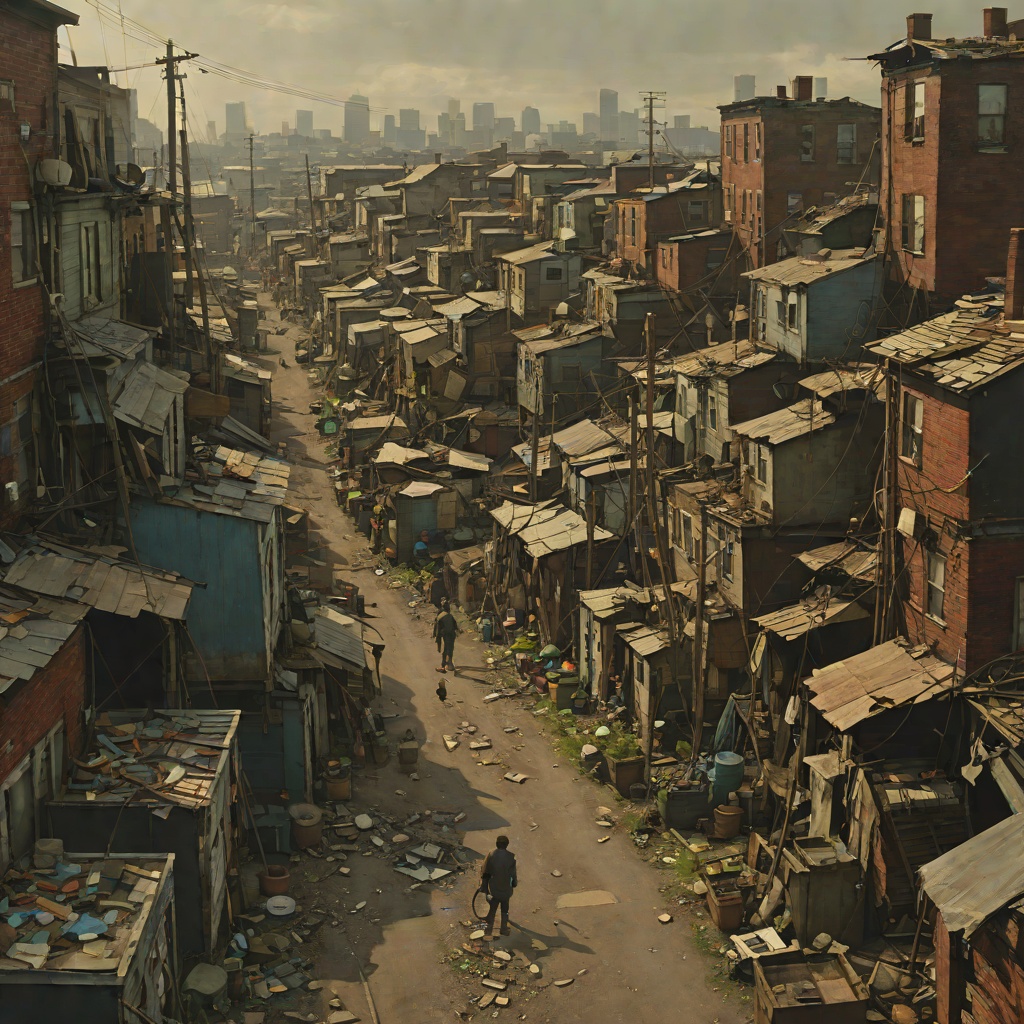
Beacon Street belongs to the Back Bay, the fashionable quarter of Boston that stands at the furthest remove from the reeking slums of Dover Street where Mary Antin lived in a bare room overlooking a lumber-yard. The two addresses define the poles of her American experience: on one side, the cushioned refinement of Beacon Street, where the maid who brought her hostess her slippers spoke in softer accents than the finest people on Dover Street; on the other, the corridor where poor Mr. Casey lay asleep, over whom she sometimes stumbled on her way home. The journey between them was not merely a walk across the city but a passage between two incompatible worlds, and Mary made that passage repeatedly, coming straight from the one to the other and feeling the shock of the contrast each time.
A Heroine of Two Worlds
The double life that Beacon Street imposed on her became the subject of her own reflection and her own poetry. After a visit to her aristocratic friends, she would copy from her busy thoughts in the evening, filling her journal with comments on the contrasts of life. She wrote touching poems in which she figured as a heroine of two worlds, and the revelation of that doubleness — the gulf between the satin drawing-rooms where she drank afternoon tea and the slums she returned to — was something she pondered over at length. The street thus functioned not only as a social destination but as an instrument of self-knowledge, forcing her to see her own position with a clarity that ordinary life on Dover Street never demanded.
The Citizen in the Making
What made her entry into Beacon Street possible was not her own ambition alone but the deliberate kindness of the devoted friends who took her by the hand when she walked in the paths of obscurity. They made way for her, she came to understand, because she was their foster sister; they opened their homes to her that she might learn how good Americans lived. In the least of their attentions, they cherished the citizen in the making. The gifts they showered on her were bought not with gold but with love, and the distinguished men and women who busied themselves with the humble fortunes of a school-girl added a splendor to her simple narrative. Beacon Street was thus the setting for a kind of education that no classroom could provide — the education of the immigrant child in the manners, speech, and habits of the American elite, an education she received as a guest at their tables and in their drawing-rooms.
The Measure of Transformation
The meaning of Beacon Street in the memoir is inseparable from the larger arc of Mary Antin's transformation. Her coming to America was the first great transformation of her life, and her entry into the world of Beacon Street marked a second transformation, one that carried her from the bookworm days of her early schooling toward a fuller engagement with the life around her. The street represents the furthest point of that journey, the destination toward which her Americanization pointed. Yet even at the height of her access to that world, she remained aware of the contrast that defined her: she could fill another book with anecdotes of how she took possession of Beacon Street, but the very phrase 'took possession' acknowledges the strangeness of her presence there. The street was the measure of how far she had come, and also of the distance that still separated her from the world it represented.