Day of Atonement
The Captain and Ann BarbaraThe Enduring Kernel
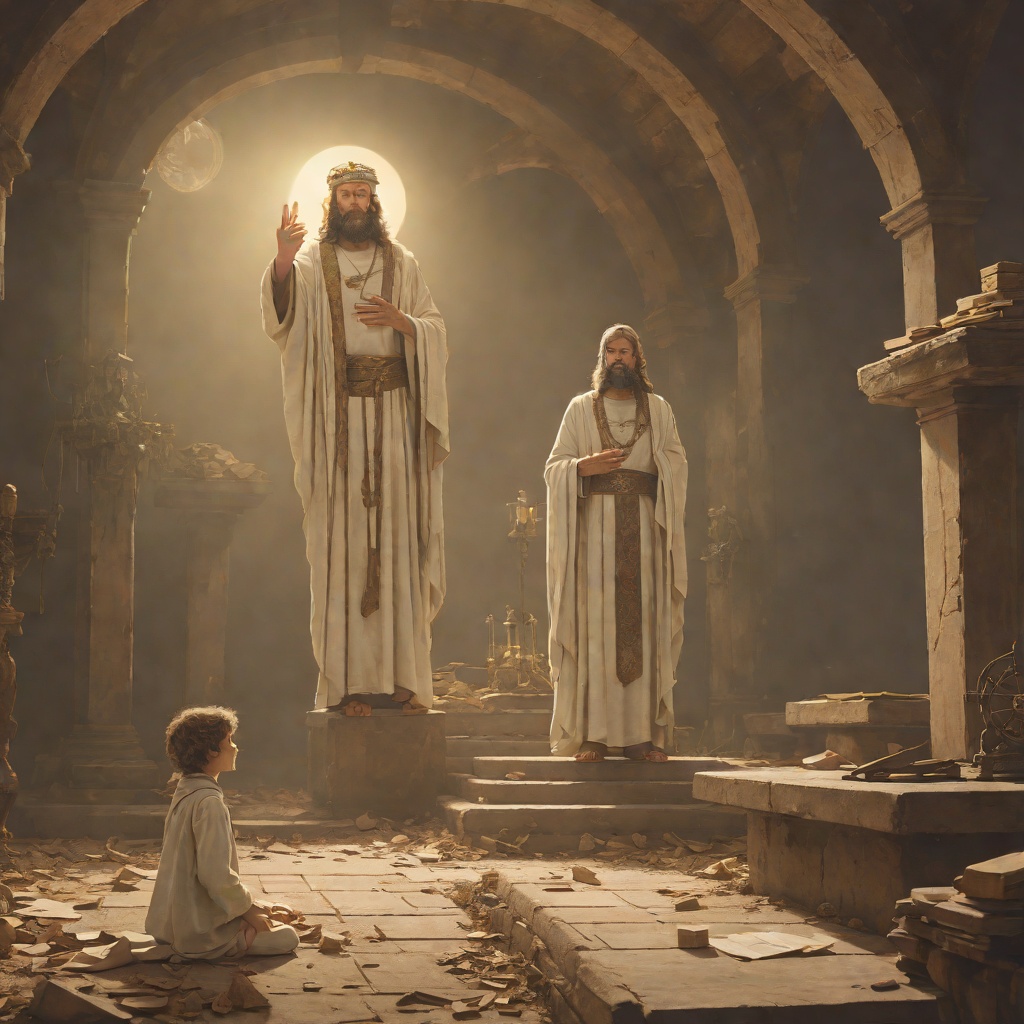
The Day of Atonement is thus the most persistent and the most transformed of the Jewish festivals in Mary Antin's memoir. In Polotzk it was the solemn climax of a year of sacred celebration, moving even children to a longing for consecration. In the child's mind it was the occasion for a literal-minded bargaining with the Almighty, a transaction whose logic she could not help questioning. In America it became the test of how much of the old faith could survive the process of Americanization—the answer being that the kernel of Judaism, the soul's response to the ram's horn, could survive even when the husk of orthodoxy had been dropped. The mother who keeps the same day of rest as her Gentile neighbors all year round still needs must join in the ancient service when the Day of Atonement comes. The daughter who defended her freethought in the schoolyard and ate ham at her friend's tea-table still carries within her the memory of the day that moved even laughing children to a longing for consecration. The Day of Atonement is the festival that cannot be left behind, because it is the day on which the Jewish soul, however far it has traveled, hears the call to draw nearer to the God of its fathers and answers, as of old.