Father's pre-sailing letter
The Captain and Ann BarbaraThe Father's pre-sailing letter is the thick letter Joseph Antin wrote to his family just before boarding the ship in Hamburg, and Mary Antin identifies it as the precise moment when "America" ceased to be a distant place name and became the center of all her dreams and speculations. Read aloud in a darkened room while Mary lay sick with measles, the letter's hidden elation and hint of triumph transformed the abstract idea of emigration into a personal vision and promise, making it the emotional and narrative catalyst for the family's Exodus and for Mary's entire double voyage of discovery. It is the object that converts a statistical fact of migration into a lived, felt destiny, and it stands as the first in a series of letters and documents that bind the Old World to the New throughout the memoir.
The Day America Lodged in Her Brain
Mary was in bed, sharing the measles with some of the other children, when her mother brought them the thick letter from father, written just before boarding the ship. The letter was full of excitement. There was something in it besides the description of travel, something besides the pictures of crowds of people, of foreign cities, of a ship ready to put out to sea. Her father was travelling at the expense of a charitable organization, without means of his own, without plans, to a strange world where he had no friends; and yet he wrote with the confidence of a well-equipped soldier going into battle. The rhetoric is hers; father simply wrote that the emigration committee was taking good care of everybody, that the weather was fine, and the ship comfortable. But she heard something, as they read the letter together in the darkened room, that was more than the words seemed to say. There was an elation, a hint of triumph, such as had never been in her father's letters before. She cannot tell how she knew it. She felt a stirring, a straining in her father's letter. It was there, even though her mother stumbled over strange words, even though she cried, as women will when somebody is going away. Her father was inspired by a vision. He saw something—he promised them something. It was this "America." And "America" became her dream.
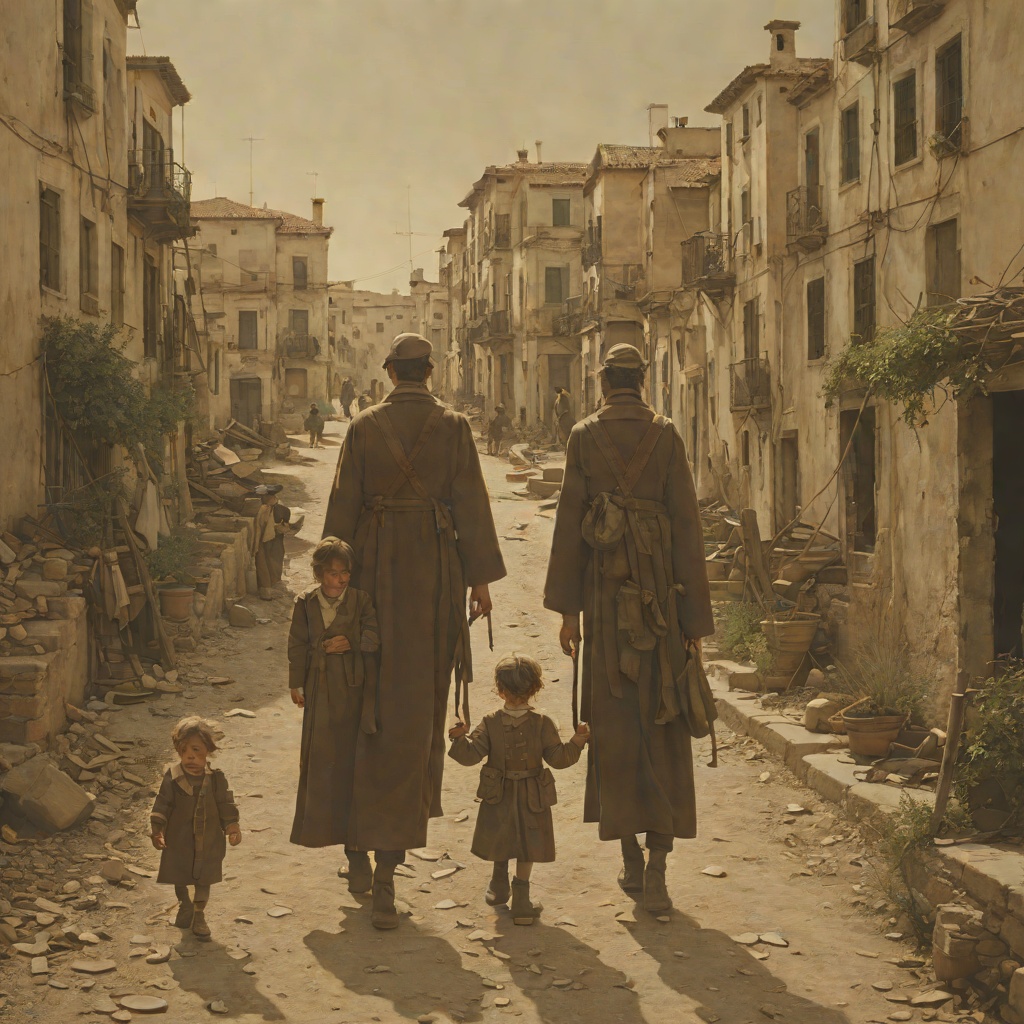
The circumstances of this departure were unlike anything the family had experienced before. While it was nothing new for her father to go far from home in search of his fortune, this time they had absolutely no reliable source of income, no settled home, no immediate prospects. They hardly knew where they belonged in the simple scheme of their society. Her mother, as a bread-winner, had nothing like her former success; her health was permanently impaired, her place in the business world had long been filled by others, and there was no capital to start her anew. Her brothers did what they could for her, but they all had large families, with marriageable daughters and sons to be bought out of military service. The allowance they made her was generous compared to their means, but there were four growing children, and her mother was obliged to make every effort within her power to piece out her income. It was against this backdrop of desperation that the letter's hidden triumph carried such force.
The Letter as a Promise and a Vision
The letter's significance lies not in its literal content but in what Mary heard beneath the words. Her father was travelling at the expense of a charitable organization, without means of his own, without plans, to a strange world where he had no friends; and yet he wrote with the confidence of a well-equipped soldier going into battle. The comparison is hers, but the confidence was real, and it was this confidence that she detected as a stirring, a straining in the letter. The letter was a promise: he saw something, he promised them something, and that something was "America." This promise became the seed of her dream, and it is the reason she later describes her life as a double voyage of discovery, constantly referring her new world to the old for comparison, and the old to the new for elucidation. The letter is thus the first document of her Americanization, the moment when the idea of America as a world entirely unlike Polotzk lodged in her brain.
The letter also foreshadows the family's later reliance on correspondence as a lifeline. The same pattern of letters carrying hidden emotional weight recurs throughout the memoir: the stream of visitors who came to rehearse messages for friends in America, the desperate pleas of Hayye Dvoshe the wig-maker, who had sent three letters to her vanished emigrated son and received no answer, and the long letters Mary herself would later receive from famous people. The pre-sailing letter is the first and most powerful of these, the one that establishes the letter as a vessel for hope, anxiety, and connection across the bitter sea of racial differences and misunderstandings.
The Letter and the Family's Exodus
The letter's promise was fulfilled in the family's emigration, which is described in terms that echo its hidden triumph. On the day when their steamer ticket arrived, Mary's mother did not go out with her basket, her brother stayed out of heder, and her sister salted the soup three times. Before sunset the news was all over Polotzk that Hannah Hayye had received a steamer ticket for America, and a steady stream of people poured into their street, both day and night, till the hour of their departure. Her mother gave audience, her faded kerchief halfway off her head, her black ringlets straying, her apron often at her eyes, receiving her guests in a rainbow of smiles and tears. She was the heroine of Polotzk, and she conducted herself appropriately. The questions poured in: How much did the ticket cost? Were they going to have a foreign passport or did they intend to steal across the border? Were they all going to have new dresses to travel in? Was it sure that they could get kosher food on the ship? The letter had set this whole machinery of hope and anxiety in motion, and its promise was now being realized.
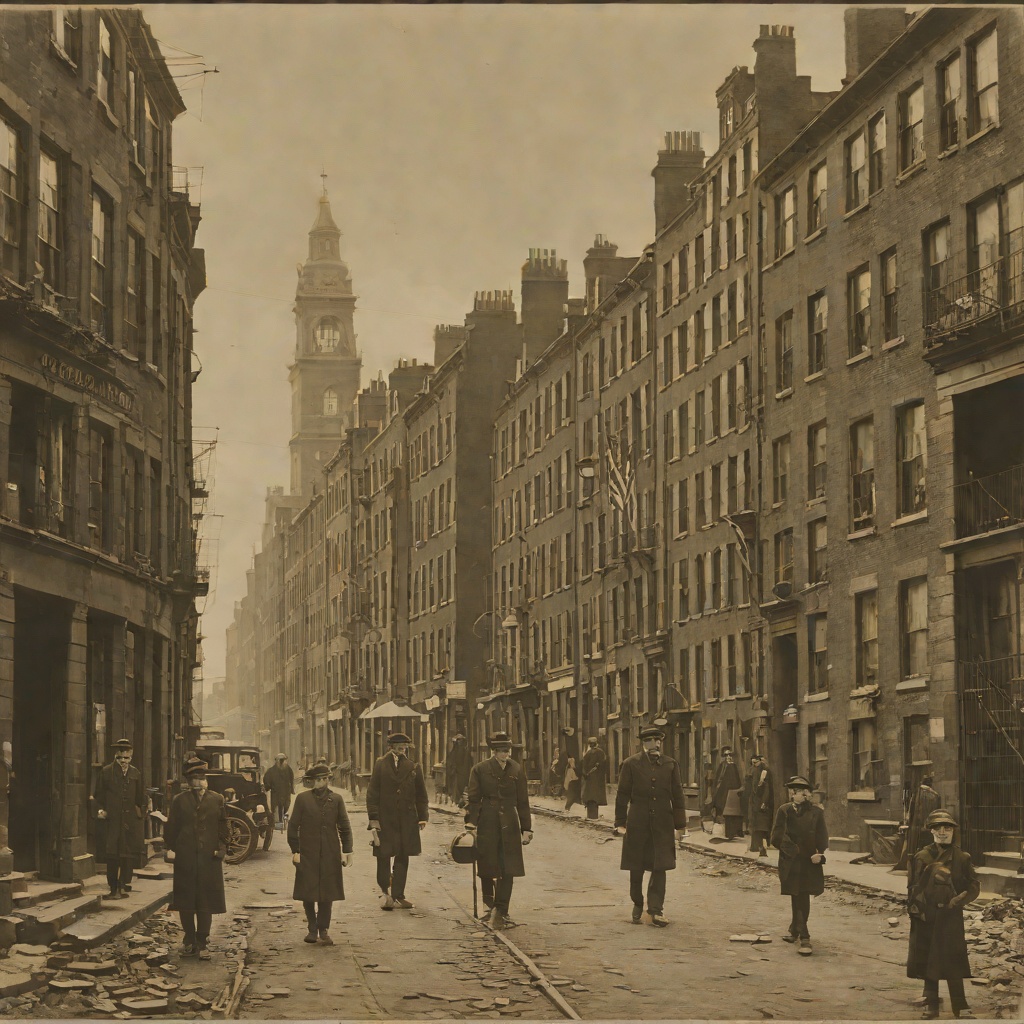
The letter's vision also contrasts sharply with the reality the family found upon arrival. When they joined their father, he had surveyed many avenues of approach toward the coveted citadel of fortune, and in partnership with an energetic little man who had an English chapter in his history, he prepared to set up a refreshment booth on Crescent Beach. While he was completing arrangements at the beach they remained in town, where they enjoyed the educational advantages of a thickly populated neighborhood; namely, Wall Street, in the West End of Boston. The three small rooms into which her father now ushered them, up one flight of stairs, contained only the necessary beds, with lean mattresses; a few wooden chairs; a table or two; a mysterious iron structure, which later turned out to be a stove; a couple of unornamental kerosene lamps; and a scanty array of cooking-utensils and crockery. And yet they were all impressed with their new home and its furniture, not only because they had just passed through their seven lean years, but chiefly because these wooden chairs and tin pans were American chairs and pans that shone glorious in their eyes. The letter's promise of a new world was kept, even in the shabbiness of Union Place.
The Letter's Legacy in the New World
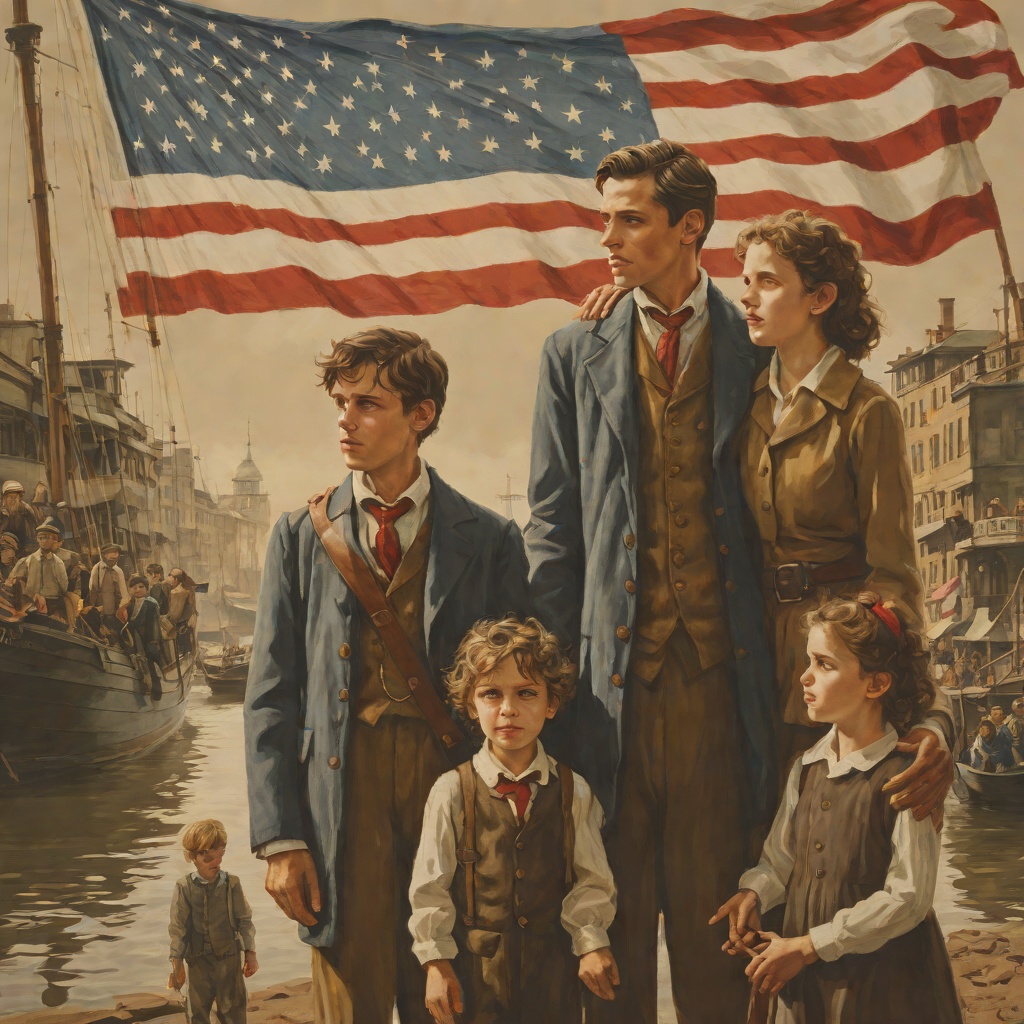
The letter's influence extends beyond the family's arrival, shaping Mary's attitude toward the new world and her place in it. The initiation into American ways began with the first step on the new soil, as her father found occasion to instruct or correct them even on the way from the pier to Wall Street, explaining the word "greenhorn." The first meal was an object lesson of much variety, as her father produced several kinds of food, ready to eat, without any cooking, from little tin cans that had printing all over them, and attempted to introduce them to a queer, slippery kind of fruit, which he called "banana," but had to give it up for the time being. The letter's promise of a free and bright America was confirmed by the illumination of the streets, where so many lamps burned until morning, and by the brass band that serenaded them soon after their installation on Union Place. The letter had promised a world where everything was free, and the streets were as bright as a synagogue on a holy day.
The letter also set the pattern for Mary's own relationship with the written word as a means of self-making and connection. The same confidence that her father had shown in his letter, she would later show in her own writing, from her first published piece to the letters that brought her the friendship of influential people. The letter is thus not merely a family keepsake but a foundational document of her identity as a writer and an American. It is the first proof that words can carry a vision across an ocean, and that a promise written in a letter can become the center of all one's dreams and speculations.