Israel Kimanyer
The Captain and Ann BarbaraIsrael Kimanyer, called Israel of Kimanye after the village where he lived, was the great-grandfather of Mary Antin and one of the most revered figures in her family's memory. He was a zaddik—a man of piety—whose fame for holiness spread through a good part of the Pale of Settlement, and whose life became the moral foundation upon which his descendants built their identity. Though he knew of Hebrew only enough to teach beginners, his simple piety unsupported by learning had a parallel value in the eyes of good families, especially among the Hasidim, the sect of enthusiasts who set religious exaltation above rabbinical lore. Ecstasy in prayer and fantastic merriment on days of religious rejoicing raised a Hasid to a hero among his kind, and Israel Kimanyer embodied that ideal so completely that people were proud to establish even the most distant relationship with him.
Poverty and Piety
Israel Kimanyer was poor to the verge of beggary, yet his poverty never diminished his devotion. He prayed more than other people, never failed in the slightest observance enjoined on Jews, shared his last crust with every chance beggar, and sat up nights to commune with God. His family connections included country peddlers, starving artisans, and ne'er-do-wells, but the fame of his good life redeemed the whole wretched clan. In the caste system of the Pale, where the rich looked down on the poor and the merchants looked down on the artisans, one qualification only could raise a man above his social level, and that was scholarship; but Israel Kimanyer demonstrated that simple piety, unsupported by learning, could achieve a parallel elevation. His holiness was so renowned that when his grandson, Mary's father, came to marry, he boasted his direct descent from Israel Kimanyer and picked his bride from the best families on the strength of that lineage alone.
The House Built by Loving Hands
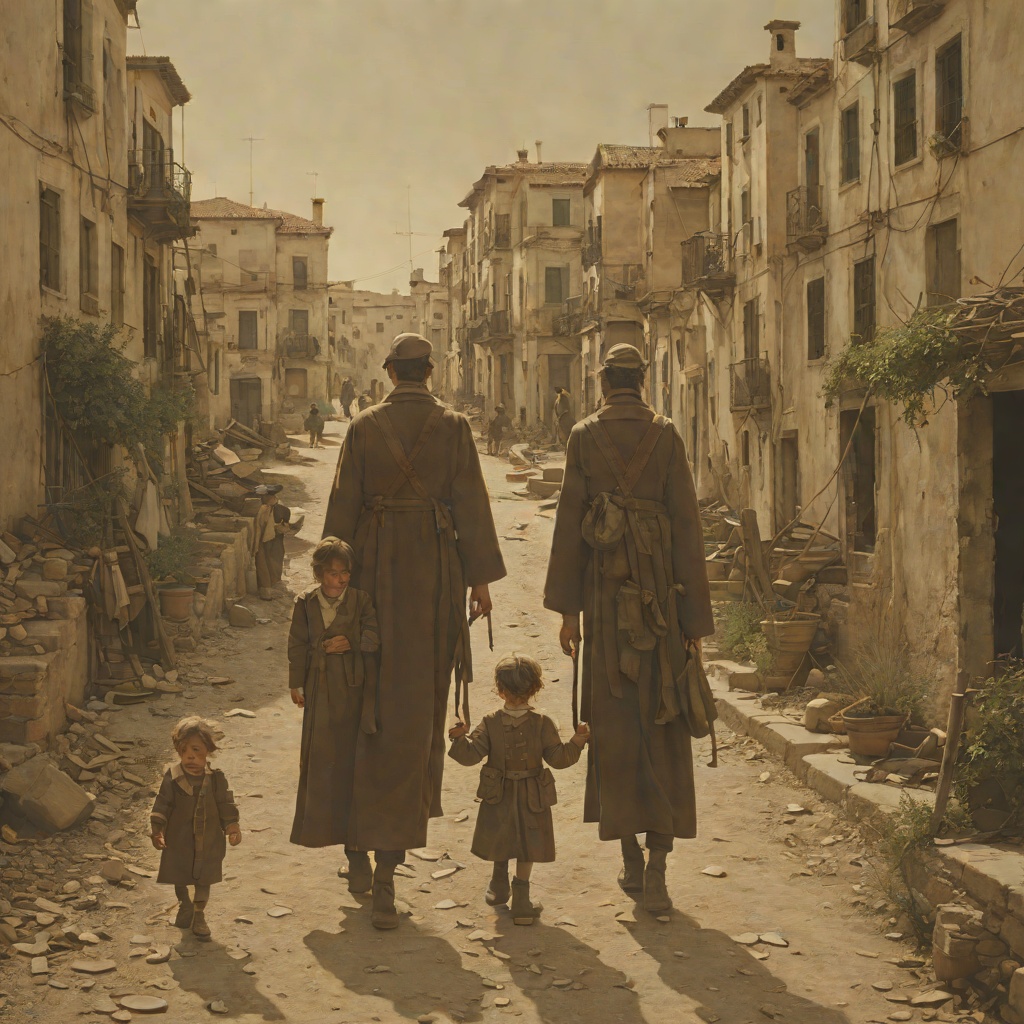
The little house that the pious Jews of Kimanye and the neighboring villages built for Israel Kimanyer may still be standing, close on a century after it was raised. He was too poor to build his own house, so the good people who loved him, and who were almost as poor as he, collected a few rubles among themselves, bought a site, and built the house with their own hands, for they were too poor to hire workmen. They carried the beams and boards on their shoulders, singing and dancing on the way, as they sang and danced at the presentation of a scroll to the synagogue. They hauled and sawed and hammered, till the last nail was driven home, and when they conducted the holy man to his new abode, the rejoicing was greater than at the crowning of a czar. That little cabin was fit to be preserved as the monument to a species of idealism that has rarely been known outside the Pale—the belief that God was, had been, and ever would be, and that the children of Jacob were His chosen messengers to carry His Law to all the nations.
The Substance of the Judaism of the Pale
The story of Israel Kimanyer's house reveals what lay beneath the grotesque mask of forms, rites, and medieval superstitions that characterized the Judaism of the Pale. Stripped of its outward show, the religion of these fanatics was simply the belief that God was, had been, and ever would be, and that the Jews, the children of Jacob, were His chosen messengers to carry His Law to all the nations. Beneath the mountainous volumes of the Talmudists and commentators, the Mosaic tablets remained intact. Out of the mazes of the Cabala the pure doctrine of ancient Judaism found its way to the hearts of the faithful. Sects and schools might rise and fall, deafening the ears of the simple with the clamor of their disputes, still the Jew, retiring within his own soul, heard the voice of the God of Abraham. Prophets, messiahs, miracle workers might have their day, still the Jew was conscious that between himself and God no go-between was needed; that he, as well as every one of his million brothers, had his portion of God's work to do. This close relation to God was the source of the strength that sustained the Jew through all the trials of his life in the Pale, and it was the same strength that sustained Israel Kimanyer in his poverty and his ceaseless devotion.
Legacy and Descendants
The legacy of Israel Kimanyer extended far beyond the little house built by loving hands. His grandson, Mary's father, carried the weight of that lineage into his own life, boasting his direct descent from the zaddik when he came to marry, and picking his bride from the best families on the strength of that holy ancestry. The wedding of Mary's father, who was the grandson of Israel Kimanyer of sainted memory, was a town-wide celebration: the most pious men in Polotzk danced the night through, their earlocks dangling, the tails of their long coats flying in a pious ecstasy, while beggars swarmed among the bidden guests, sure of an easy harvest where so many hearts were melted by piety. The sixteen-year-old bride, suffocated beneath her heavy veil, blushed unseen at the numerous healths drunk to her future sons and daughters, and the whole town was a-flutter with joy because the pious scion of a godly race had found a pious wife. The memory of Israel Kimanyer thus became a living force in the family's identity, a source of pride and a standard of holiness that his descendants carried with them even as they left the Pale behind and made their way to America.
The Meaning of the Zaddik in the Family's Story
Israel Kimanyer's significance in Mary Antin's narrative lies not in any worldly achievement but in the moral and spiritual inheritance he bequeathed to his descendants. His life demonstrated that piety alone, unsupported by learning or wealth, could raise a man above his social level and redeem a whole wretched clan. The rejoicing that accompanied the building of his house, greater than at the crowning of a czar, testified to the depth of love and reverence he inspired in those who knew him. And the fact that his grandson could boast his descent from Israel Kimanyer and pick his bride from the best families showed how the fame of a holy life could outlast the man himself, becoming a form of social capital more valuable than any dowry or bank note. In the world of the Pale, where the Czar commanded the Jews to stay within the Pale of Settlement, where taxes and fines and conscription pressed upon every family, and where the Jews were cut off from the rest of Russia, the figure of the zaddik stood as a reminder that the true source of strength lay not in the favor of rulers but in the close relation between the Jew and his God. Israel Kimanyer embodied that relation so completely that his memory became a beacon for his descendants, a reminder of the faith that sustained the Jews through all the trials of their life in the Pale.