Fire Brigade
The CastleThe Fire Brigade is a village institution in Franz Kafka's The Castle that serves as a microcosm of the village's intricate and often oppressive relationship with the castle authorities. More than a mere emergency service, the brigade is a site of social standing, official recognition, and communal identity, where the favor of the castle can elevate a family and its disfavor can destroy them. Its most significant role in the narrative is as the catalyst for the downfall of the Barnabas family, making it a crucial element in understanding the novel's themes of power, exclusion, and the arbitrary nature of authority.
The Brigade and the Castle's Favor
The Fire Brigade is presented as an organization deeply intertwined with the castle, its prestige derived from official recognition and its activities often involving the castle's participation. The castle demonstrates its interest by donating a new fire engine and sending a detachment of its own firemen to the village festival, an event that becomes a focal point of communal pride and official attention. The brigade's captain, Seemann, is a figure of authority, and the position of Trainer Number Three, held by the Barnabas family's father, is a mark of respect within the community. The castle's involvement is not merely ceremonial; it creates a direct link between the village institution and the higher powers, making the brigade a place where official favor is both displayed and tested.
The Fire-Brigade Festival and the Fall of the Barnabas Family
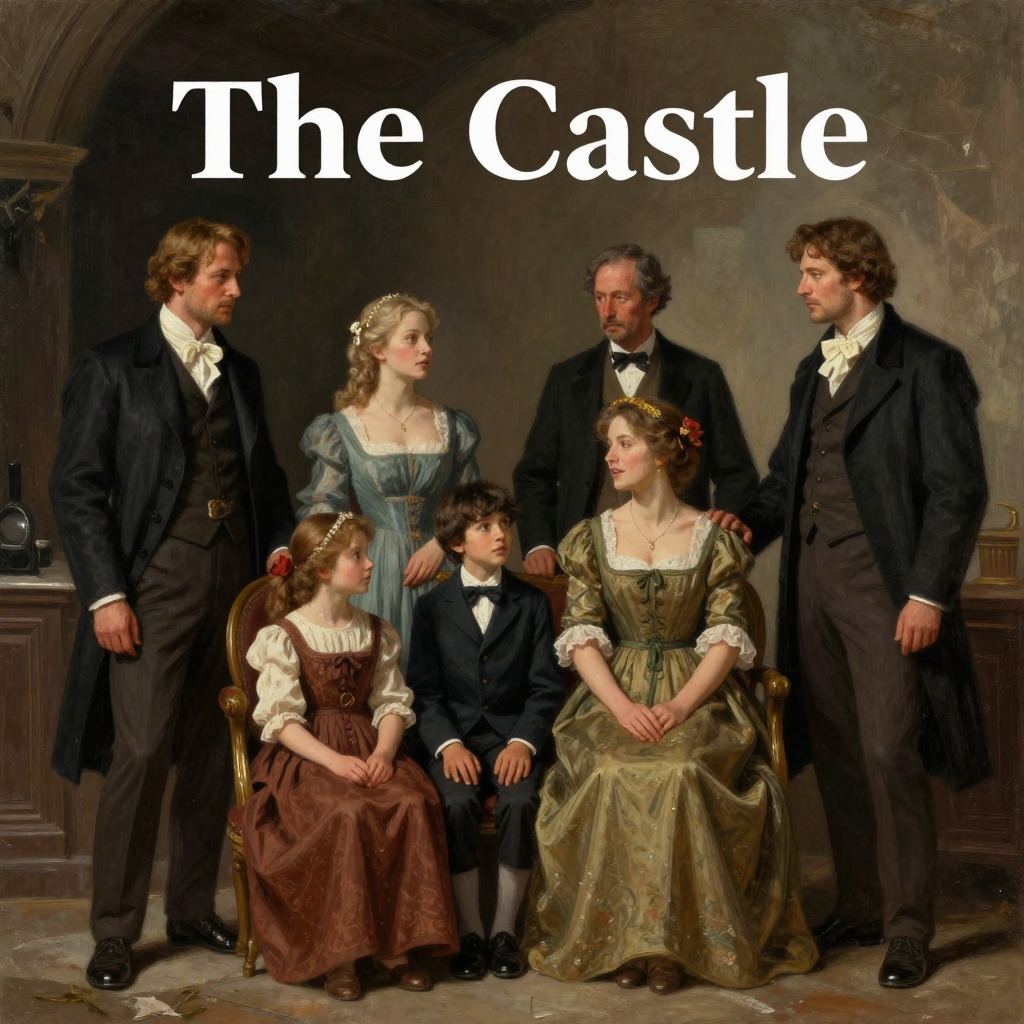
The annual fire-brigade festival, held on a meadow outside the village by the stream, is the setting for the pivotal event that seals the Barnabas family's fate. It is at this festival that the official Sortini, who is partly involved in the brigade's affairs, first notices Amalia, the family's youngest daughter. The festival is a day of celebration, with the new fire engine on display and the castle's gift of special trumpets creating a wild, chaotic atmosphere. The father, proud of his position and his distinguished performance in the brigade's drilling, hopes to catch Sortini's attention. However, it is Amalia who draws the official's gaze, leading to the infamous letter that commands her to come to him at the Castle Inn. Amalia's refusal to obey, and her tearing up of the letter in front of the messenger, is the act that precipitates the family's ruin.
The Dismissal and Social Ostracism
The immediate consequence of Amalia's defiance is the family's expulsion from the community's good graces, and the Fire Brigade is the first institution to formalize this rejection. Seemann, the captain of the fire brigade, is forced to come to the family's house to inform the father that the Fire Service Association is dismissing him and asking for the return of his diploma. This scene is a study in humiliation: Seemann, who cannot laugh, attempts to soothe the situation with a forced, silent laughter, while the father, too despairing to react, hands over the framed diploma without even removing it. The dismissal is framed not as a punishment for a specific offense but as a necessary measure to protect the Association's 'pure reputation' in the wake of the 'insult to the messenger.' This act of official rejection sets the pattern for the family's complete social ostracism, as customers abandon the father's shoemaking business and friends and acquaintances withdraw. The brigade, once a source of pride and connection to the castle, becomes the instrument of the family's public disgrace, demonstrating how the village's institutions enforce the castle's unspoken will.
The Father's Decline and the Brigade's Legacy
The father's dismissal from the Fire Brigade marks the beginning of his personal and psychological decline. He becomes obsessed with winning back his honor and being forgiven, embarking on a futile campaign of petitioning the castle authorities. His efforts, which include waiting for days outside Bertuch's market garden near the castle, are a testament to his broken spirit. The loss of his position in the brigade is not just a loss of income or status; it is a loss of identity. His subsequent physical and mental deterioration, culminating in his rheumatic illness and eventual helplessness, is directly linked to the disgrace he suffered. The Fire Brigade, therefore, is not merely a backdrop but an active agent in the novel's exploration of how the castle's power operates through village institutions, shaping lives and destroying families with an impersonal, bureaucratic cruelty. The brigade's legacy in the story is one of exclusion and ruin, a stark reminder of the precariousness of standing in a community governed by the whims of an inaccessible authority.