Momus
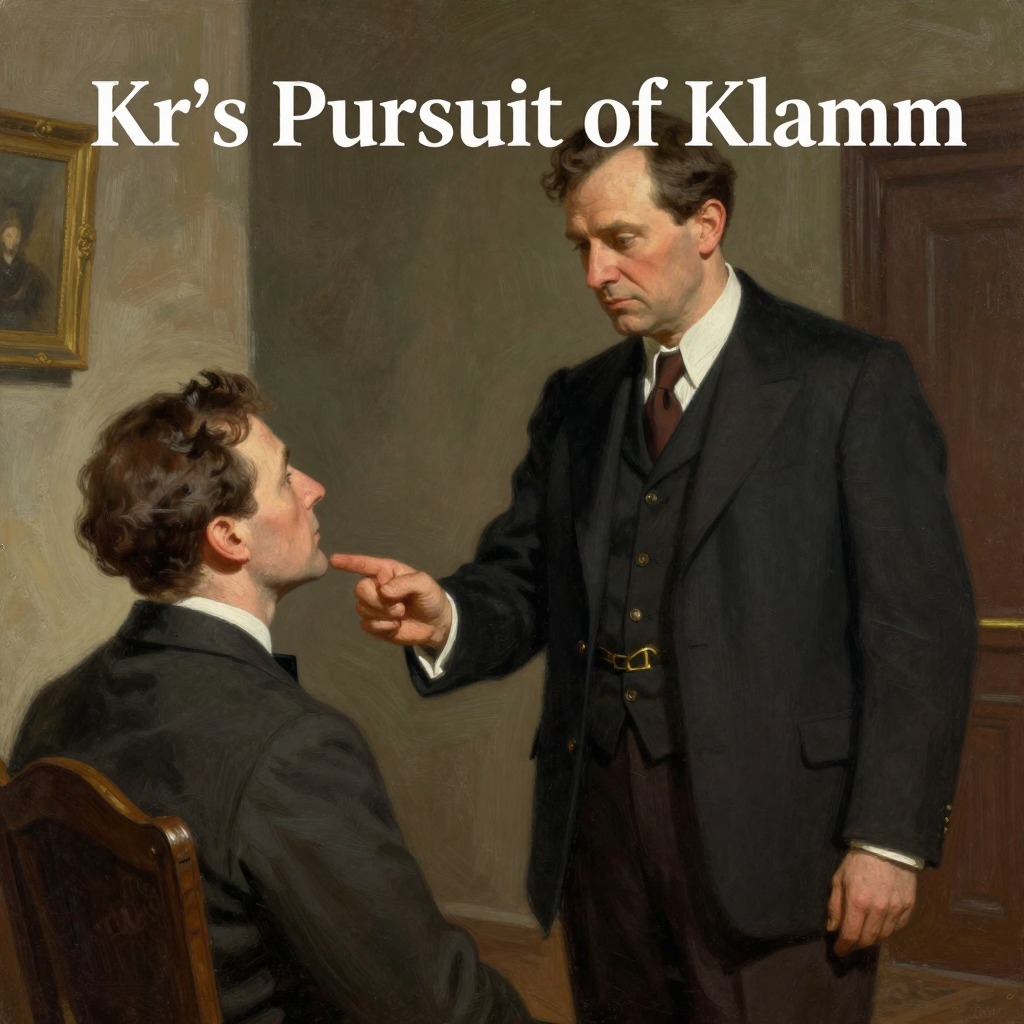
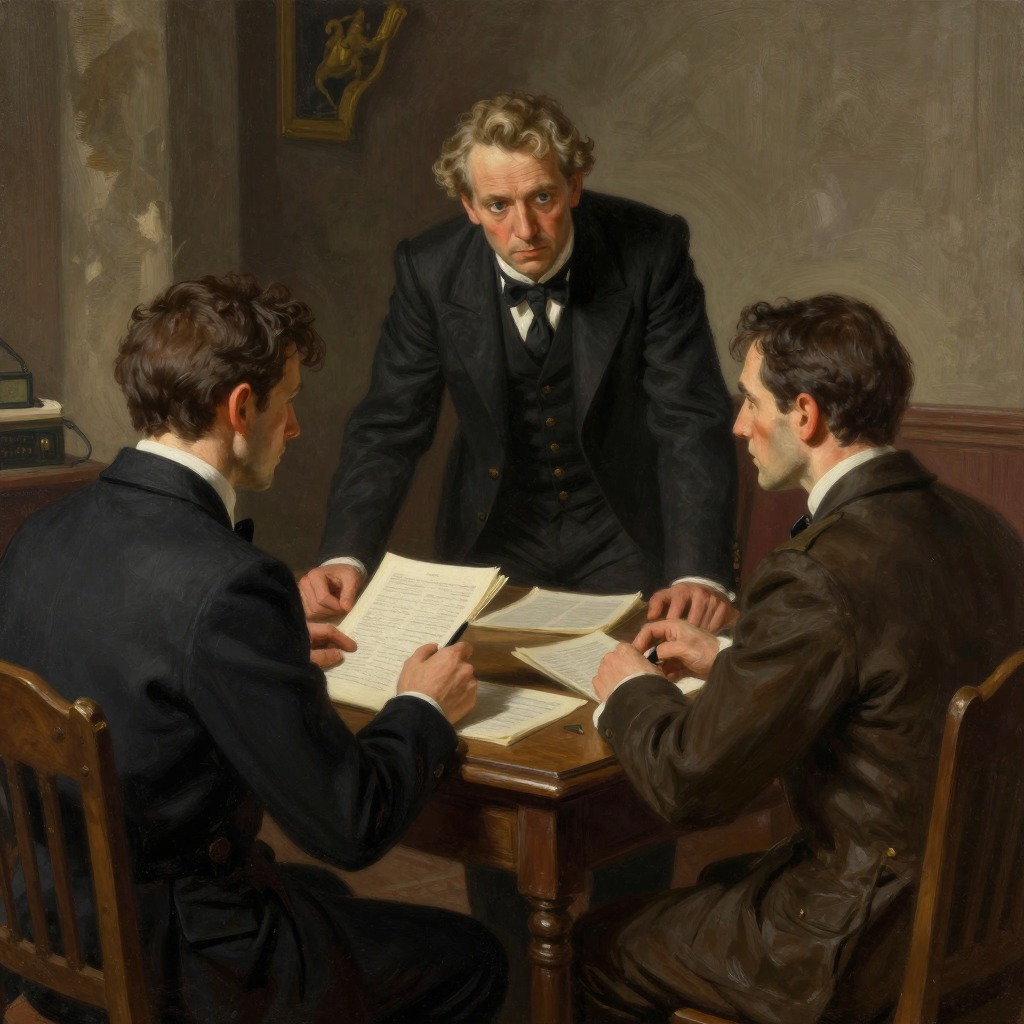
The CastleMomus is a minor official in the village, serving as Klamm's village secretary. He is introduced in the chapter "Opposition to Questioning," where he attempts to interrogate K. about his conduct. His role is to handle all of Klamm's written work that is necessary in the village and to receive petitions addressed to Klamm from the village. He is described as a strong young gentleman, and his presence in the bar of the Castle Inn, where he sits at a little table with papers spread before him, marks a moment of official scrutiny for K.
Identity and Role
Momus is introduced as a secretary to Klamm, but he is not an ordinary secretary; he is the village secretary, a position that restricts his office to the village itself. He deals with all of Klamm's written work that may be necessary in the village and is the first to receive all petitions to Klamm coming from the village. He works for two masters, Klamm and Vallabene, making him a village secretary twice over. This dual role is presented with a certain pride by the landlady, who explains his function to K. Momus is also a figure of some authority, as he commands K. to answer his questions "in Klamm's name." His position is one of proximity to Klamm, yet he is not a high-ranking official; he is a tool in Klamm's hand, as the landlady describes him.
The Interrogation Scene
In the bar of the Castle Inn, Momus attempts to question K. about the afternoon's events, specifically K.'s attempt to wait for Klamm and his intrusion into the sleigh. Momus has already drawn up an account of the events and seeks to fill in a few gaps. He commands K. to stay and answer, but K. refuses, declaring, "I have a rooted dislike of any kind of questioning." The landlady tries to persuade K. that the records Momus is compiling are the only real official connection he can have with Klamm, but Momus himself admits that the records have no direct connection to obtaining an interview with Klamm. The interrogation is a test of K.'s willingness to submit to the bureaucratic process, and his refusal marks a point of defiance.
The Nature of Official Records
Momus's records are part of the castle's bureaucratic machinery, but they are not read by Klamm. As Momus states, "Klamm can't read all the records, in fact he never reads any of them." The records are kept in the village registry, and their significance lies not in their content but in their existence as a formal link to the castle. The landlady elaborates that the records are imbued with Klamm's spirit because they are approved by him from the first, even if he never sees them. This paradox—that the records are both official and unread—reflects the larger theme of the castle's inaccessibility and the villagers' reliance on indirect forms of communication.
Momus and the Bureaucratic System
Momus is a product of the bureaucratic system that pervades the village. He is a figure of order and procedure, but his authority is limited. He is not a high-ranking official, and his work is confined to the village. He is also a figure of some irony: he is the one who could have provided K. with an easier path to Klamm, as the landlady notes, but K.'s refusal to answer his questions closes that door. Momus's role highlights the absurdity of the system, where the only way to reach the castle is through intermediaries who themselves have no direct access to the ultimate authority. His presence in the bar, with his papers and his salted pretzel, is a mundane yet ominous reminder of the castle's pervasive influence.
Significance
Momus serves as a foil to K., embodying the bureaucratic mindset that K. resists. He is a minor character, but his function is crucial: he represents the official machinery that K. must navigate, and his interrogation scene is a key moment in K.'s struggle against the castle's authority. Momus's records, which are never read by Klamm, symbolize the futility of K.'s efforts to establish a direct connection with the castle. Through Momus, Kafka explores the themes of communication, power, and the inaccessibility of authority, making him a memorable figure in the novel's landscape of officials and intermediaries.