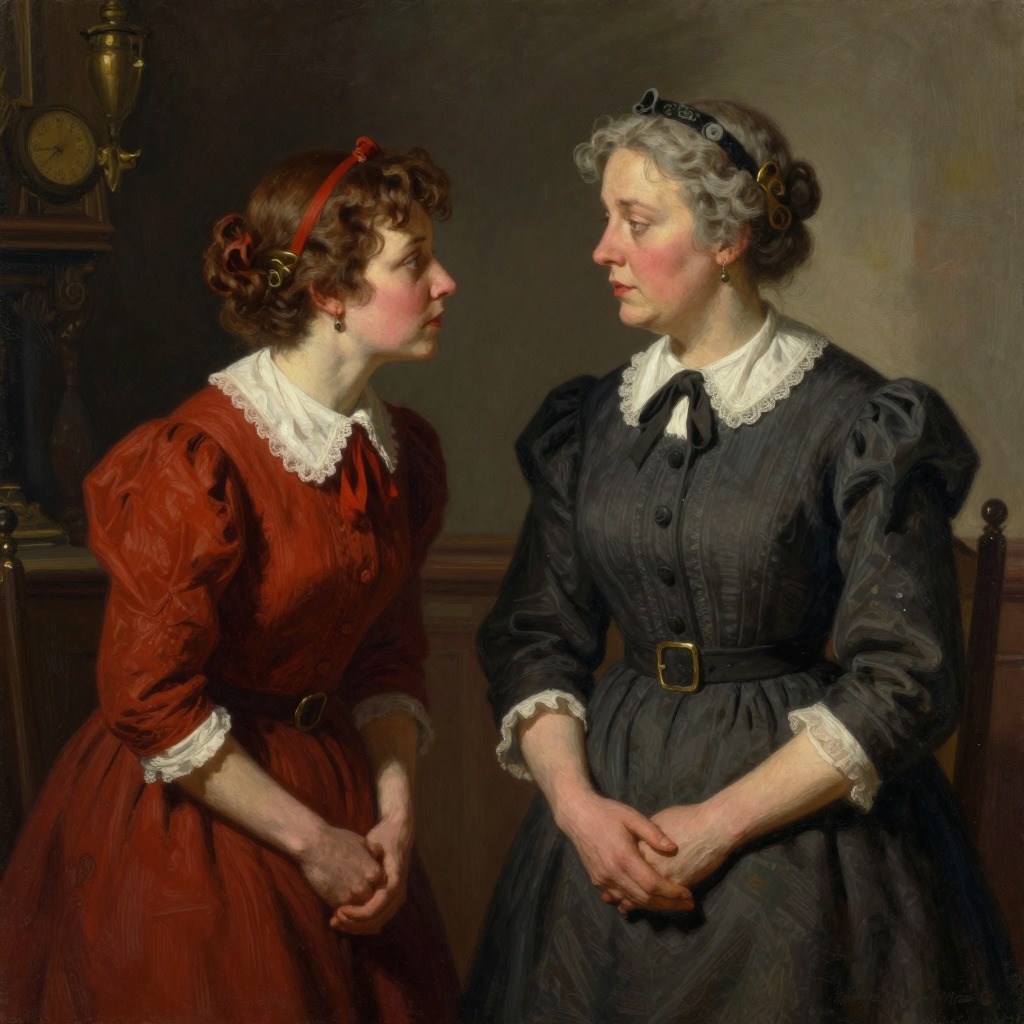
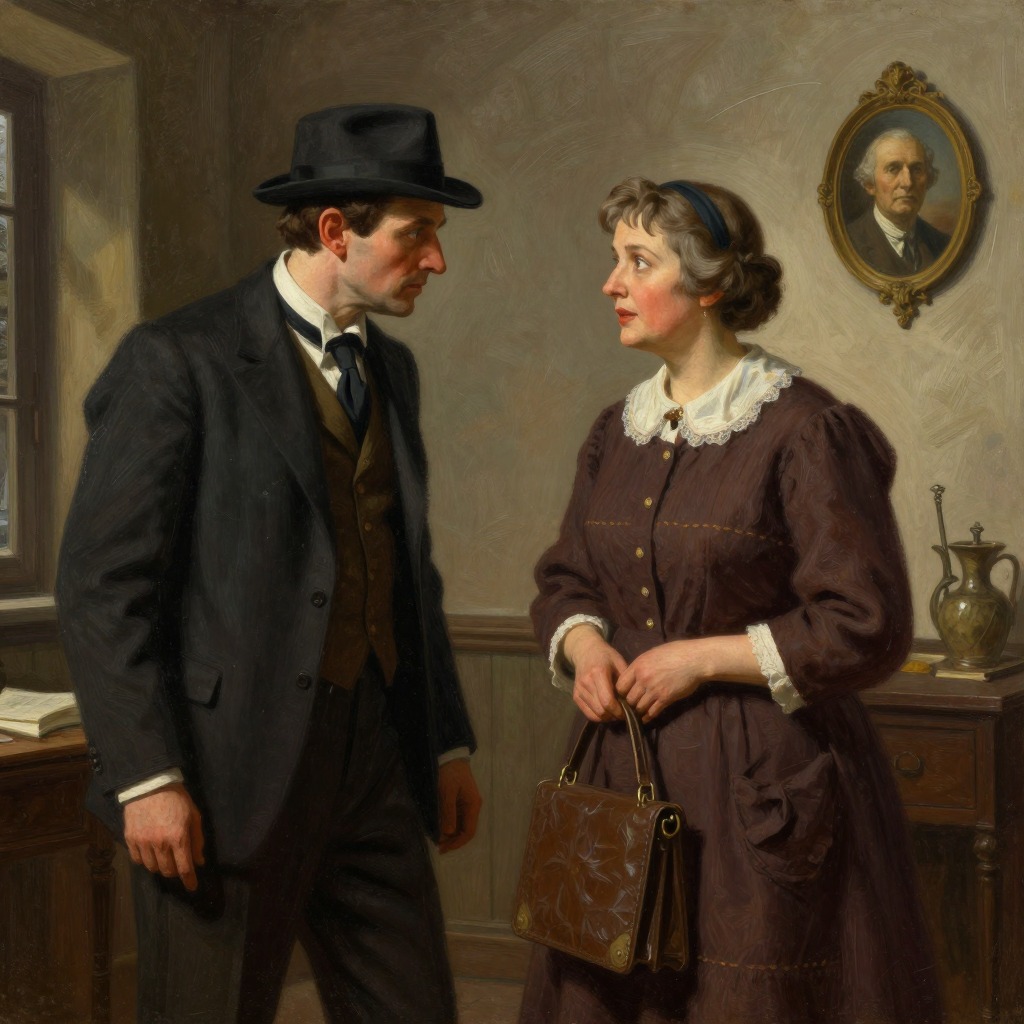
The office
The CastleThe office is the administrative heart of the castle's bureaucracy in Kafka's The Castle, a place of paradoxical power where official communications are generated, files are distributed, and officials like Klamm and his secretaries operate behind closed doors. It embodies the novel's central theme of inaccessible authority, where even the most diligent efforts to navigate its labyrinthine corridors lead to confusion, misunderstanding, and the revelation that the castle's power lies in its very inaccessibility.
Nature and Structure
The office is not a single, monolithic building but a complex of rooms and corridors, often described as an "anteroom" to the real offices, with barriers that can be crossed only by those who know how. Barnabas, the messenger, describes a large room divided by a desk, with officials standing on one side and the public on the other, where clerks take dictation in a strange, almost silent manner. The office is also characterized by its files, which are meticulously kept and distributed, yet often lost or misplaced, as seen in the village mayor's house where files are stuffed into cupboards and barns. The office's structure is designed to be impenetrable, with officials like Sordini working behind towers of files that constantly collapse, and secretaries like Bürgel conducting hearings from their beds in cramped, windowless rooms.
The Office's Role in Communication
The office is the source of all official communications, including the letters K. receives from Klamm. These letters are paradoxical: they seem to offer recognition and employment, yet they are often old, randomly selected, and their significance is ambiguous. The telephone, a key tool of the office, is described as unreliable, with calls from the village reaching only lower departments or producing "jokes" from tired officials. The office's communications are performative, as seen in the letter from Klamm that appoints K. "as you know," placing the burden of proof on him. The office also generates records, such as the memorandum the teacher writes about K.'s conversation with the mayor, which is semi-official and can be used against him.
Key Officials and Their Functions
The office is populated by a hierarchy of officials, each with specific roles. Klamm, the chief executive of Office X, is the most powerful and inaccessible, rarely seen and never directly communicated with. His village secretary, Momus, conducts hearings and keeps records, but his work is described as having no direct connection to Klamm. Other officials include Sordini, an Italian known for his conscientiousness and distrust, and Sortini, who is confused with Sordini and is involved in the fire brigade. Erlanger, one of Klamm's principal secretaries, gives orders to K., while Bürgel, a communications secretary, delivers a long discourse on the opportunities and dangers of nocturnal hearings. These officials are often depicted as tired, overworked, and sensitive, preferring to work at night and avoiding direct contact with the public.
The Office and K.'s Quest
K.'s interactions with the office are central to his quest for recognition and access to the castle. He attempts to use the telephone, but is told that the only real connection is through the records of Momus. He waits for Klamm outside the Castle Inn, but is thwarted by the driver and a young gentleman. He accidentally enters Bürgel's room and hears a discourse on how a member of the public can exploit the nocturnal weakness of secretaries, but he falls asleep and misses the opportunity. Finally, he is summoned by Erlanger, who orders him to bring Frieda back to the bar, a command that reveals the office's indifference to his personal struggles. The office's labyrinthine nature and the officials' evasiveness leave K. exhausted and disillusioned, yet he persists, driven by a hope that is both irrational and necessary.
The Office's Significance
The office represents the castle's bureaucratic power, which is both omnipresent and elusive. It operates through a complex system of files, records, and communications that are designed to be impenetrable, yet are also subject to errors and misunderstandings. The office's inaccessibility is not a flaw but a feature, as it maintains the authority of the castle by keeping the villagers and outsiders in a state of uncertainty and dependence. The office also reflects the novel's themes of alienation and the absurdity of human existence, as K.'s efforts to navigate it are ultimately futile, yet he cannot abandon the quest. The office is a symbol of the modern bureaucratic state, where power is exercised through paperwork and procedures, and where the individual is reduced to a case file, a number, or a name on a list.