Arthur’s killing at the GSU checkpoint
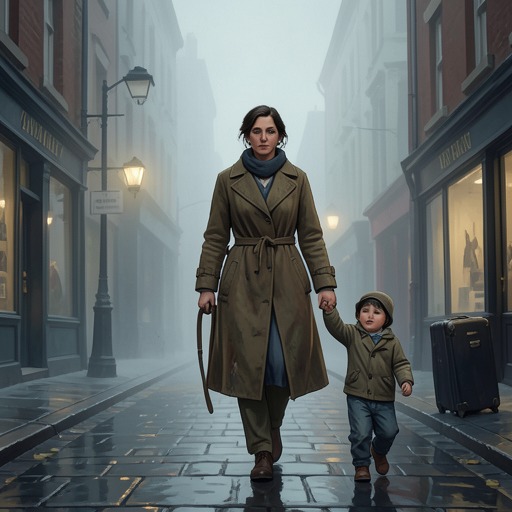
The ChangelingArthur’s killing at the GSU checkpoint was a fatal encounter during Lillian Kagwa’s journey to Kampala in 1967. The men at the checkpoint used the authority of the General Service Unit to stop the cousins and demand their car; Arthur was shot when he hesitated to leave his relatives. Lillian escaped with the others, but Arthur died before they reached the capital, and the violence strengthened her determination to leave Uganda.
Background and Circumstances
Lillian Kagwa had come from Jinja, Uganda’s second-largest city, and was traveling to the capital with three cousins when their car was stopped. The country had gained independence from Britain and come under the homegrown rule of Milton Obote, whose government used the army and its secret police, the General Service Unit, to exercise power. The checkpoint encounter took place within this climate of state violence.
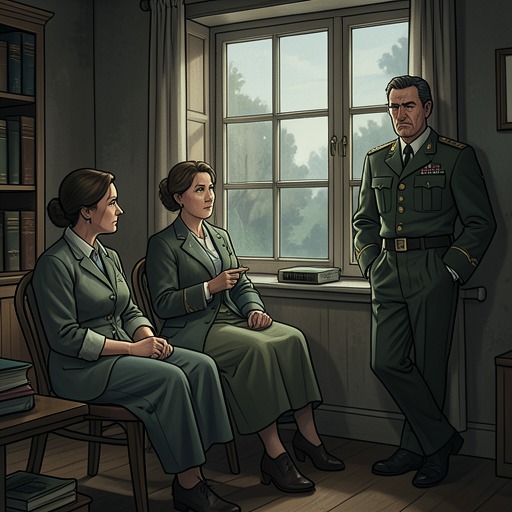
Three men claiming to be GSU agents inspected the cousins’ identification. They then ordered Arthur, the only male cousin, to get out and open the trunk. He hesitated because he did not want to leave Lillian and his sisters in the car. One of the men leaned in and shot him.
The Escape
Lillian was at the wheel. Still disoriented by the sudden shooting, she shifted the car into drive and sped away, weaving across the two-lane road. The men fired at the departing car but could not follow: their own vehicle had run out of gas. They had established the checkpoint to steal a suitable vehicle and would have to wait for another.
Lillian drove on to Kampala, reaching it in half an hour. Her escape carried the surviving cousins away from the checkpoint, but it could not save Arthur. He died before they arrived.
Aftermath and Significance
The account presents Arthur’s death as both a personal loss and part of a wider pattern of political violence. Lillian regarded an incident like this as scarcely newsworthy in a country where such violence was pervasive. That normalization makes the checkpoint more than an isolated roadside crime: official power and the threat of theft and killing had become difficult to separate in her experience of Uganda.
Lillian wanted out of the country, and a year after the killing she secured a visa to the United States. She came to New York in 1968. The sequence connects Arthur’s death with her departure without reducing her decision to a single event: the checkpoint made the danger of remaining in Uganda immediate, while the surrounding political conditions formed the larger reason she sought a way out.