
Memory Against Loss
The Character of RainThis flow traces memory as a way to preserve a beloved person and a threatened homeland without pretending that either can be restored.
increasing Bearing strength in each event
 decreasing
Bearing strength in each eventdecreasingMemory Begins with Pleasure
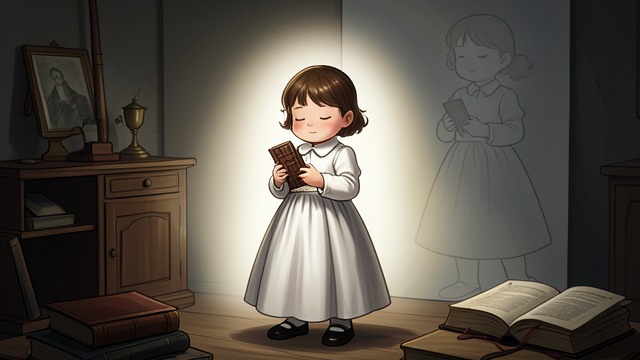
Memory Begins with Pleasure
An origin in sensation
The Narrator (God) remembers the first experience of White Chocolate and links memory to the emergence of self. What matters is not simply that an event occurred, but that it gave pleasure and became personally meaningful.
The boundary of recollection
The child claims to remember everything essential from that point onward, while acknowledging dependence on others for the period before it. Memory is selective and tied to a newly formed identity.
Grandmother Remembered

Grandmother Remembered
The dead kept present
The Narrator (God) imagines Grandmother still carrying the chocolate bar like a scepter. Recollection restores her as an active presence in the child's inner world.
A return gift
The child believes memory returns something of the life Grandmother gave. Remembering becomes both consolation and a form of care offered back to the dead.
The Loss of a Country
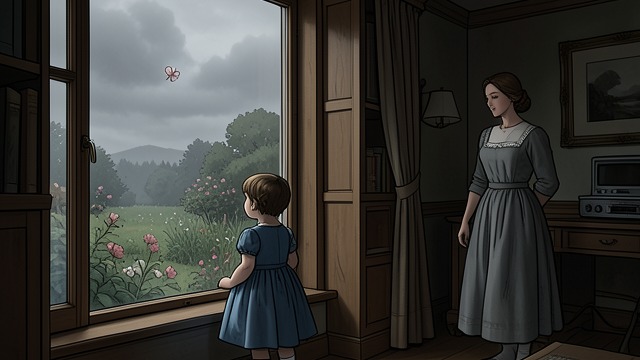
The Loss of a Country
Anticipatory mourning
Mother explains that Father’s posting will eventually take the family away from Japan. The child experiences the future departure as a present catastrophe.
A life of recurring losses
The Narrator (God) understands that the garden, Nishio-san, and the language may all be taken away. A personal fear becomes a theory of how attachment and loss structure life.
Remembering on the Playground
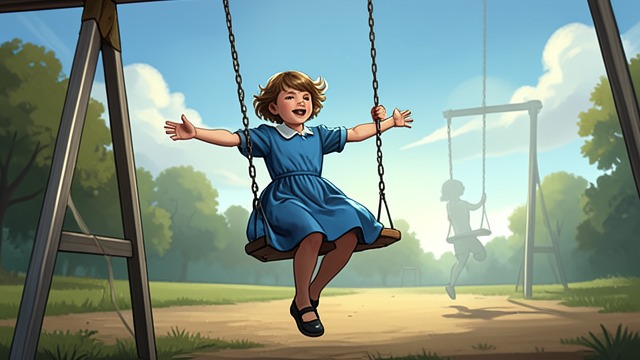
Remembering on the Playground
A repeated command
The Narrator (God) jumps at the playground and insists that it must remember. The child's words turn fear into a deliberate task.
Preserving what cannot stay
Memory is compared with writing: it can preserve a trace of experience even when the original person or place is gone. The child begins to treat recollection as a discipline.
A Life Made of Memory

A Life Made of Memory
Experience narrated afterward
The adult narrator reconstructs childhood through remembered sensations, people, and losses. The act of telling gives those early experiences a shape unavailable to the child at the time.
Preservation without recovery
Memory can keep Grandmother and Japan vivid, but cannot return them unchanged. Its power lies in carrying traces forward, not undoing what has been taken away.
February 1970
After Grandmother's death
At age three, when departure is announced
The day after the departure announcement
In the adult narrator's retrospective account
