
The Contingency of Becoming Human
The Character of RainThis flow traces the argument that development is not inevitable and that a contingent mental event can awaken a life otherwise left dormant.
increasing Bearing strength in each event
 decreasing
Bearing strength in each eventdecreasingNormality as a Story
Normality as a Story
Evolution imagined as inevitable
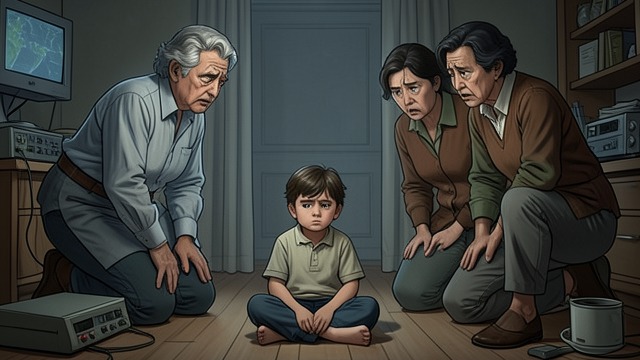
The narration questions the belief that human beings naturally had to learn to walk, speak, and live upright. People prefer a necessary history to one shaped by accident.
The cost of certainty
Treating development as inevitable makes difference look like failure. The child’s stillness exposes how little adults can explain when expected milestones do not arrive.
A Childhood Outside the Pattern
A Childhood Outside the Pattern
No crawling or speech
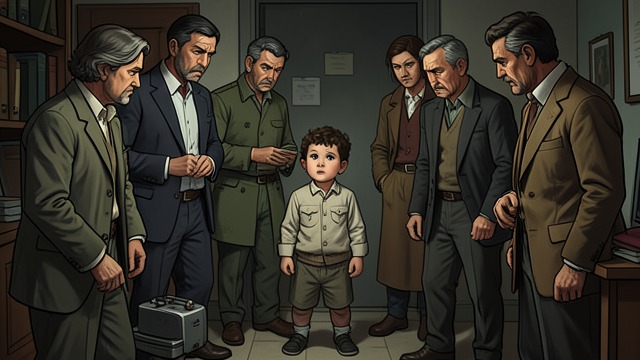
The child reaches two without crawling or making a sound. Adults search for a physical blockage rather than consider that the expected desire to act might be absent.
A rejected possibility
The Narrator (God)'s condition reveals the role of assumptions in defining normal development. What adults treat as a developmental failure might also be a different relation to existence.
The Mental Accident
The Mental Accident
A change from within
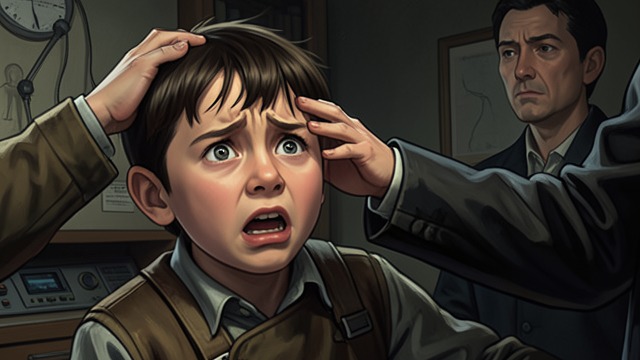
A mental event disrupts the child's placidity and produces fury, movement, and an apparent awakening. The specialists cannot identify what happened inside the brain.
Contingency takes hold
The Narrator (God)'s development appears to turn on a sudden event rather than an orderly sequence. A private disturbance opens the way to speech, movement, and thought.
Pleasure as the Engine
Pleasure as the Engine
A sensory catalyst
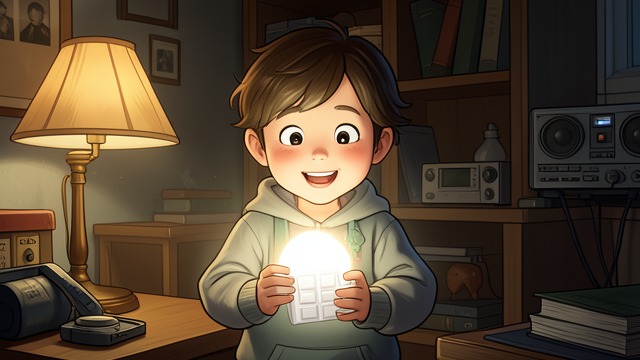
White Chocolate gives the child an intense new experience. Pleasure awakens an inward voice and establishes a self capable of remembering.
Development redirected
The account presents sweetness as the contingent event that organizes a new life. Rather than abstract instruction, sensation supplies the first compelling reason to engage with the world.
An Unfinished Evolution
An Unfinished Evolution
New abilities acquired
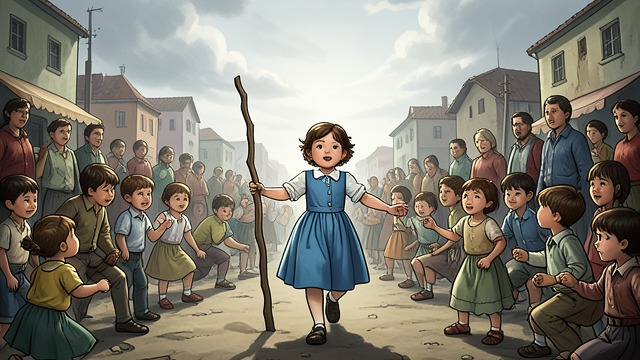
The child learns to walk, talk, swim, and read, often without formal instruction. Each achievement grows from observation, curiosity, and a personal decision to try.
The accident remains visible
The Narrator (God)'s development does not erase the possibility that another course might have continued. The book leaves human progress contingent rather than guaranteed.
Before the developmental crisis is understood
By the child's second birthday
At age two, during the sudden outburst
February 1970, at age two and a half
By the third birthday
