Tottori
The Character of RainTottori is where the Narrator (God) first meets the Sea of Japan and where a family outing becomes a near-fatal experience. Its broad beach and unfamiliar water frame a sharp reversal: the sea first frees the child from the pull of the earth, then overwhelms the child, before Mother brings the narrator back to shore.
Setting and First Arrival
In April, the narrator’s parents take the family across Japan to Tottori. The narrator already knows Osaka Bay, described as so polluted that swimming in it is out of the question, but the Sea of Japan is a new encounter. The beach seems as wide as a desert, and crossing it feels almost endless before the child reaches the water.
The narrator observes that Japanese people regard the sea as male and the ocean as female, a distinction whose logic remains unclear. At the water’s edge, the sea seems timid: it advances and retreats, while the child mirrors its approach and withdrawal. Mother eventually takes the narrator by the hand and leads the child in.
The Sea as Exhilaration and Danger
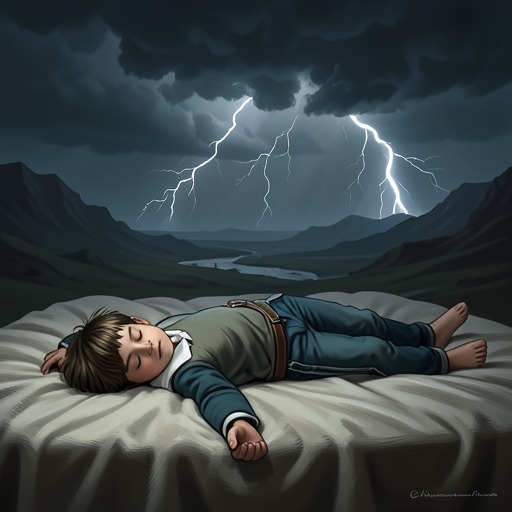
Once in the water, the child is buoyed on its surface and feels as though released from gravity. The narrator cries out in delight and stays in the sea for hours, becoming so absorbed that the others have to pull the child out by force. Tottori thus first appears as a place of pleasure, where the sea’s movement gives the child a new sense of freedom.
That confidence grows into a belief in miraculous power. Walking out toward Korea, the narrator thinks the sea floor is rising beneath the child’s feet and imagines continuing all the way to the Asian continent. Then the bottom drops away. The narrator loses footing and repeatedly struggles to reach the surface as waves push the child under.
Drowning and Rescue
From the water, the narrator can see the distant beach and the parents, who are napping, as well as people watching without intervening. The narrator understands their inaction through what is described as an old Japanese principle against saving another person, since rescue would create a heavy debt of gratitude. Being watched while drowning makes the experience more frightening still.
As the narrator tires, the child sinks and becomes absorbed in the sunlight and shifting patterns visible underwater. Hugo, who is playing with André and Juliette, notices the narrator disappear and alerts Mother. She reaches the child, pulls the narrator toward the light, and carries the child back to the beach. After wrapping the narrator in a towel and helping the child expel water, she explains that Hugo’s warning made the rescue possible.
Memory and Significance
Tottori is preserved in the narrator’s account as both an awakening to pleasure and a confrontation with death. The same water that first carries the child effortlessly becomes the force from which the child must be rescued; the change comes not through mastery, but through losing footing and relying on another person’s intervention. The beach trip therefore gives the sea an active role in the narrator’s remembered experience, rather than leaving it as scenery behind a family outing.
The episode also belongs to the narrator’s claimed firsthand memories after February 1970. The narrator distinguishes this period from the time before the white chocolate, about which memory is absent and other people’s accounts must be relied upon. Tottori consequently marks not only a formative encounter with the sea, but a remembered scene within the narrator’s asserted boundary between inherited recollection and personal memory.