
David Hunter and Henry Maitland
The Chemistry of DeathThis thread follows a partnership that gives David refuge and professional belonging before concealed resentment turns the older doctor’s friendship into betrayal.
increasing Bearing strength in each event
 decreasing
Bearing strength in each eventdecreasingA Place to Begin Again
An Unequal Partnership
A welcome at Bank House
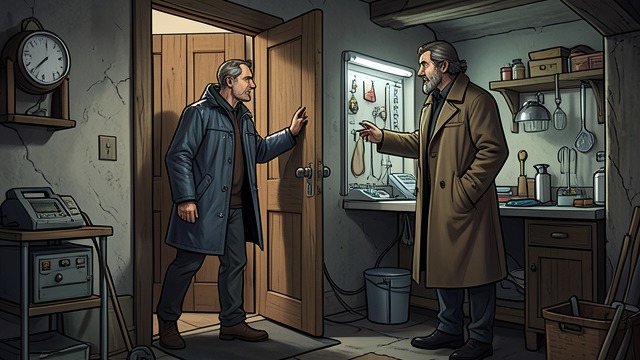
David arrives in Manham wet, exhausted, and without a clear plan. Henry Maitland receives him warmly and offers him temporary work in the village practice. Henry’s humor and directness make the unfamiliar situation feel manageable, while the position gives David a reason to begin again after the deaths of his wife and daughter.
Trust through work
Henry’s disability does not diminish his authority or his interest in the practice. David gradually takes on more of the workload, and the temporary appointment becomes a lasting partnership. Henry becomes a mentor and friend, though David withholds the details of his forensic career. Their connection offers David professional belonging without requiring him to confront every part of his past.
A Shared Practice
Familiar Support
Daily companionship
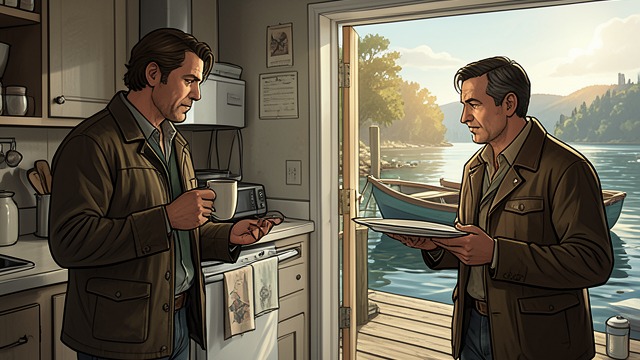
Henry and David share the routines of village medicine, including meals, conversation, and plans to take Henry’s dinghy onto Manham Water. Henry teases David but also notices when he is withdrawn. Their friendship is expressed through small recurring gestures: an offered drink, a meal, and the expectation that they will speak again.
A concealed past
When the murder investigation begins, David initially avoids telling Henry about his forensic expertise. He fears being pulled back into work among the dead and has not fully explained his history to his partner. The omission strains their openness, even before either man recognizes it as a significant fracture.
The Confession and Its Cost
Truth at the Table
Disclosure
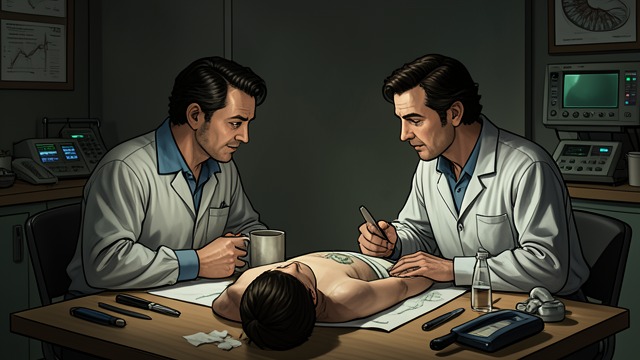
Over lunch, David finally tells Henry that his work before becoming a GP included forensic anthropology and police investigations. Henry listens with surprise and says he wishes David had told him earlier. David offers to resign, fearing he has repaid Henry’s trust poorly, but Henry rejects the offer and encourages him to continue helping with the investigation.
A friendship still intact
The conversation also reveals Henry’s own disappointments and his sense of being trapped by disability and circumstance. For a moment, their frankness makes the partnership more intimate: each man recognizes that the other’s life contains burdens he has not fully seen. David interprets Henry’s bitterness as a passing mood rather than evidence of deeper hostility.
Care Reversed
The Caregiver’s Guilt
Physical decline
Someone breaks into Henry’s surgery and steals chloroform. During the police inquiry, Henry admits he has recently become forgetful and may have left the door unlocked. David notices his friend’s exhaustion and physical frailty more clearly, recognizing that extra work has placed pressure on him.
An attempted return to agency
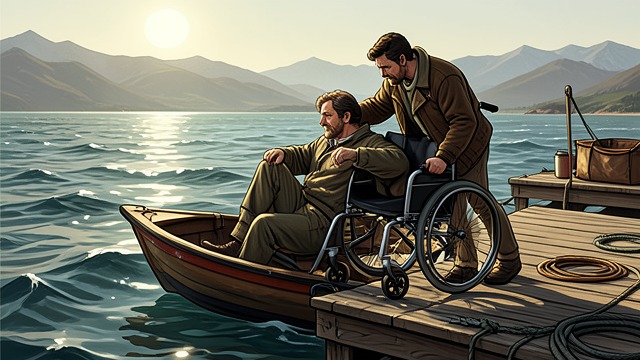
The next morning, David finds Henry on the jetty trying to lower himself into the dinghy. Henry is angry at his helplessness but admits he wanted to do something for himself. David helps him back into his wheelchair and tells him to rest. Their affection is genuine, but David’s protective response also reflects how much he has come to depend on Henry.
Friendship Revealed as Betrayal
The Rupture
A hidden alliance
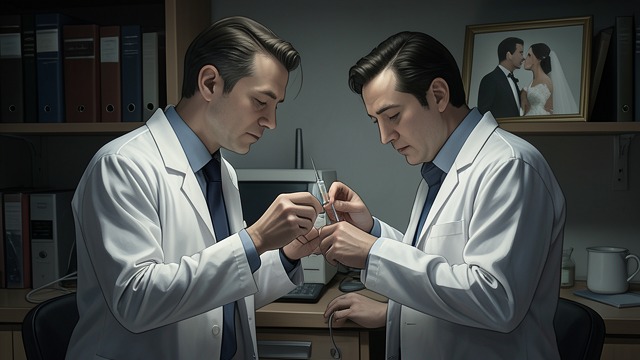
After David brings Jenny to the surgery, Henry injects him with diamorphine. David recognizes the wedding dress from the cellar in Henry’s wedding photograph and realizes his trusted partner is involved. Under the drug’s influence, he learns that Henry had known Tom Mason for years and had helped sustain the conditions that enabled the killings.
Love, anger, and uncertainty
Henry explains that he saw himself as powerless and used Mason’s crimes to feel powerful, but his account cannot restore the friendship. David’s shock is sharpened by the history of meals, shared work, and mutual care that made Henry seem safe. Henry later has a chance to give David a lethal dose but hesitates; the epilogue leaves open whether his final failure to complete the killing reflects remorse, exhaustion, or uncertainty.
Three years before the murders, when David arrives in Manham
The first days after Sally Palmer’s body is discovered
The Sunday lunch after David examines Sally Palmer’s remains
After the break-in at Henry’s surgery
The storm night, after David rescues Jenny from Tom Mason’s cellar
