
Bereavement and the Return to Life
The Chemistry of DeathThis thread follows David Hunter’s movement from the unresolved grief that drives him away from London toward a fragile willingness to live again, then tests that recovery through Jenny Hammond’s abduction and survival.
increasing Bearing strength in each event
 decreasing
Bearing strength in each eventdecreasingThe Refuge from London
The Refuge from London
Flight after loss
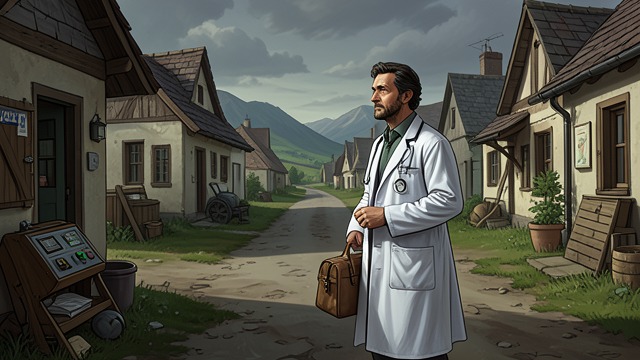
David arrives in Manham after the car crash that killed Kara Hunter and Alice Hunter. He has left London, sold his car, and abandoned his forensic career, seeking distance from the places and work that keep the deaths present in his mind.
The move is not a clean beginning. David admits that he is barely thinking clearly and has not planned even the journey from the station. Rural isolation offers relief chiefly because it is not the life he has left behind.
A life narrowed to survival
Taking work as a country doctor lets David redirect his attention toward the living. He can treat illness and postpone death, even though this new vocation cannot answer the questions that torment him about what became of his family’s animation and spirit.
His new life is therefore a form of shelter rather than recovery. He is functioning, but sleep remains dangerous because dreams briefly restore the family before waking renews the loss.
The Nightly Return
The Nightly Return
A dream that feels alive
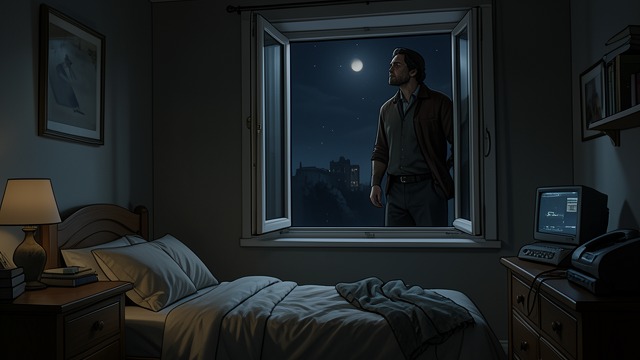
After the discovery of Sally Palmer’s body, David wakes beside an open bedroom window, disoriented by another vivid dream of Kara Hunter and Alice Hunter. In sleep, his family is present and their future seems possible; waking restores the fact that both are dead.
His grief is intensified by the bodily uncertainty of sleepwalking. He sometimes wakes at a window or near the stairs without knowing how he got there, making private sorrow feel physically perilous.
Refusing easy consolation
David does not treat the dreams as proof of an afterlife, but neither can he dismiss their emotional reality. Their tenderness hurts precisely because it is not frightening: they offer what he longs for and then take it away.
The pattern establishes grief as an ongoing condition, not a past event. His knowledge of decomposition can describe what happens to a body, but it cannot answer what happened to the life that inhabited it.
A New Attachment
A New Attachment
The return of anticipation
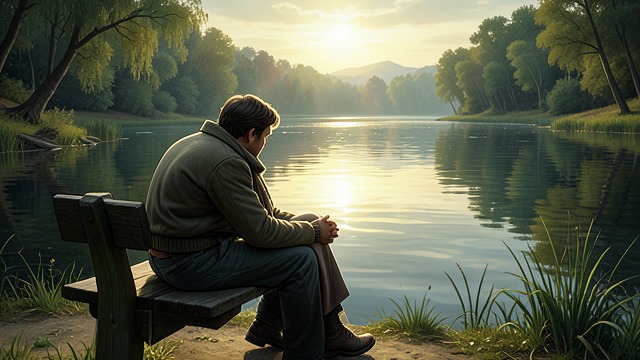
As David spends time with Jenny Hammond, his attention begins to turn toward a future rather than remaining fixed on loss. Their meals, conversations, and outing on Manham Water restore forms of ordinary pleasure that he has not allowed himself for years.
The attraction brings guilt. David feels, irrationally but sincerely, as though allowing himself intimacy might betray Kara Hunter, even though he knows that his wife and daughter are gone and that he is not replacing them.
Grief changes shape
Jenny’s own account of surviving an attack lets the two recognize vulnerability in each other without demanding that either provide a cure. Their growing trust is cautious; Jenny asks not to hurry, and David tries to respect the pace of a relationship neither had planned.
The connection does not erase bereavement. It creates room beside it, making possible a life that includes memory without being wholly governed by it.
Choosing the Living

Choosing the Living
A changed horizon
After learning that the killer has echoed details from the victims’ lives, David drives into the countryside alone. There he considers Jenny and his dead family, searching for the guilt he expects to find.
Instead, he discovers anticipation. His grief remains, but it no longer excludes every possible future. For the first time since the accident, David understands himself as someone who has begun to come alive again.
The danger of hope
The change is small but consequential: he turns back toward Manham to retrieve his phone and contact Jenny rather than remaining safely detached. That decision does not cause the abduction, but it leaves him exposed to the possibility of losing someone once more.
The narrative refuses to make hope a guarantee of safety. David’s renewed openness is real precisely because it carries risk, and the next crisis will test whether he can remain committed to life under the threat of another irreversible loss.
A Farewell Without Erasure
A Farewell Without Erasure
A different final dream
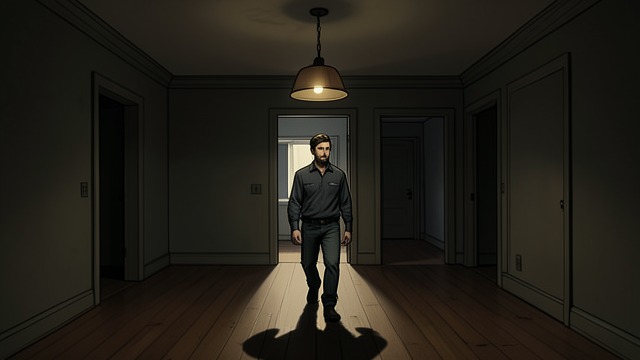
After the ordeal, David dreams once more of the familiar house where Kara Hunter and Alice Hunter have appeared. This time, they are gone; he walks through the empty rooms knowing that the visit has reached its end.
The absence hurts, but it no longer feels like abandonment. David understands that the dreams had served a purpose while he was unable to face waking life, and that their ending marks a change rather than a betrayal.
Beginning again
Jenny survives, and the two are able to imagine a shared future without pretending that the danger or grief never happened. David leaves Manham, carrying scars but no longer treating his past as a reason to refuse every new attachment.
The novel’s account of recovery is deliberately modest. Loss does not vanish, and no insight restores the dead; what changes is David’s willingness to live among what cannot be undone.
Three years before the murders, when David arrives in Manham
The first night after Sally Palmer’s disappearance
The weeks after David and Jenny’s first meetings
The afternoon David recognizes that he wants to see Jenny again
After Jenny’s rescue, before David leaves Manham
