Carl Brenner
The Chemistry of DeathCarl Brenner is a prominent and contentious presence in Manham during the investigation into the murders of Sally Palmer and Lyn Metcalf. His rivalry with Ben Anders, his place among the villagers who take up patrols, and his involvement in trapping wildlife make him a focus of local conflict and suspicion. David Hunter at one point believes Brenner may be the killer, but later evidence redirects his attention; the material available here does not establish Brenner as the murderer.
Identity and Introduction
Brenner appears as an assertive local man who is willing to make a public confrontation out of his grievances. When David enters the pub after an absence, a patron asks whether he has been away, and Brenner soon rises to challenge him. The surrounding villagers watch, some keeping their attention on their drinks and others looking directly at David. Their response is expectant rather than openly condemnatory: the room has become a place where suspicion can be voiced and where a person’s standing is tested in public.
Brenner’s local reputation is also bound up with his conduct outside the pub. Another character says he is fairly certain Brenner has been taking eggs from nests at the reserve, including those of endangered birds, and notes that adult marsh harriers and bitterns have also been disappearing. The speaker distinguishes this suspicion from proof: he has not caught Brenner in the act. That qualification matters in a village already primed to turn fear into accusation. Brenner is presented as a suspect in wildlife offenses, but the claim initially rests on an observer’s belief rather than a completed investigation.
Public Conflict and Village Patrols
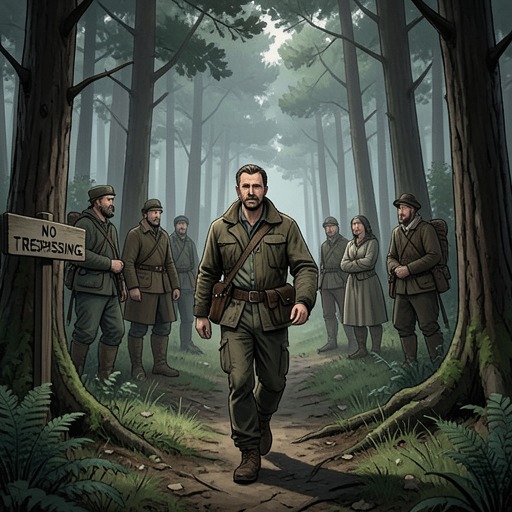
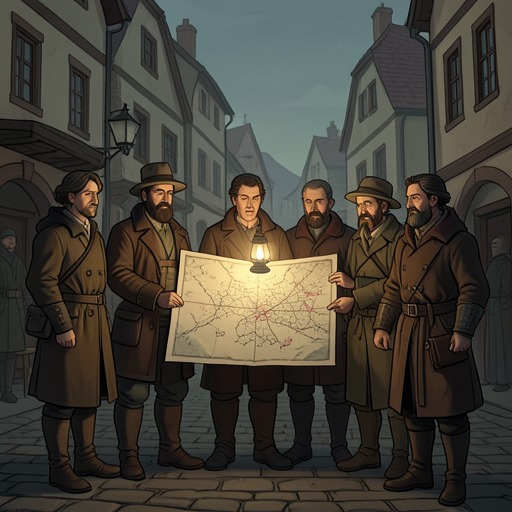
As fear of the killer grows, Brenner becomes part of a group that patrols Manham day and night. The group’s action follows Reverend Scarsdale’s public call for villagers to take matters into their own hands. Brenner’s appearance in the pub is not merely social: he is recruiting and announcing his intention to participate in the effort. Dale Brenner accompanies him, sharing the group’s temperament and habits despite looking different from Carl.
The patrols express the villagers’ frustration with the investigation, but they also make private suspicion into collective action. Brenner echoes Reverend Scarsdale’s claim that the authorities are failing and that villagers must deal with the killer themselves. In this climate, the distinction between searching for a dangerous offender and confronting someone already disliked becomes precarious. Brenner’s confident public posture gives the patrols a forceful voice, while the group’s self-appointed role enlarges the potential consequences of an accusation.
His confrontation with David occurs against that background. Brenner rises while the room is watching and begins to challenge him; the exchange is interrupted before the available account supplies the full substance of the accusation. The scene nevertheless shows Brenner acting as an instigator in a tense public setting, where the villagers are waiting to see whether David will be judged. It links his personal aggression to the broader atmosphere of suspicion without proving that his accusations are correct.
Rivalry with Ben Anders
Brenner’s longstanding hostility toward Ben Anders erupts into a fight in the pub, in a confrontation described as long overdue. Brenner arrives fired by Reverend Scarsdale’s call to arms, accompanied by Dale and other patrol members. He accuses Ben of being implicated in the murders; Ben rejects the accusation and insists that the investigators know he had nothing to do with them. The exchange brings an existing feud into the open at the precise moment the village is looking for someone to blame.
The fight is quickly stopped by other men in the pub, before it can escalate further. Furniture is damaged, and both men are hurt. Ben later regards the cost as worthwhile. The incident matters beyond their personal antagonism: the patrols have taken a climate of collective fear and carried it into direct confrontation with a village resident. Brenner’s accusation does not supply evidence against Ben, but it demonstrates how readily suspicion can be used as a weapon between men who already have reason to resent one another.
Wildlife, Suspicion, and the Shifting Investigation
The evidence concerning Brenner’s treatment of wildlife becomes more concrete than the early suspicion about missing birds. A later disclosure says that birds, including rare species, have been trapped, and that animals such as otters have also been taken when possible. Brenner is identified as believing there may be a market for live animals as well as eggs, with collectors as potential buyers. This gives the earlier concern about nest-robbing a possible commercial context, while keeping the wildlife offenses distinct from the murders under investigation.
Brenner’s house stands about a mile outside Manham, at the end of a rough track. It is a tall, dilapidated building surrounded by junk and debris, with irregular extensions, a patched roof, and a conspicuously modern satellite dish. Its isolated setting and disrepair make it a memorable location in David’s inquiries, but they do not by themselves establish criminal responsibility. David questions Brenner about an anonymous tip-off to the police, another point of suspicion whose significance is not resolved by the available evidence.
For a time, David is convinced that Brenner is the killer. That theory does not remain secure. When David considers evidence at another house, including a decomposing body and black material resembling a substance associated with a dead woman, he recognizes that George Mason fits the profile as well. The change is a reminder that suspicion in the investigation must be revised when a new combination of clues appears. Brenner remains implicated in the village’s wildlife-trapping dispute and in its escalating conflicts, but the evidence presented here leaves his role in the murders uncertain.