London
The Chemistry of DeathLondon functions chiefly as the life David Hunter leaves behind: an urban point of departure associated with his bereavement and former professional identity. His move to Manham is both a geographical withdrawal from the city and an attempt to begin again among the living.
London as a Point of Departure
Three years before the main events, David accepted a temporary general-practice position after noticing a small advertisement in The Times. The post offered six months of work and accommodation in a rural practice; its location appealed to him because it would take him away from London. He accepted by return of post, with little hope or excitement beforehand. The move was not presented as a carefully planned career progression so much as a way out of the place and life he had known.
His arrival in the countryside makes the contrast tangible. Reaching Manham by train on a wet March afternoon, he found a small station without a taxi rank or even a phone box, and walked the remaining distance with his suitcase. He had sold his car and given away his mobile, and admitted that he had not thought clearly enough to plan the journey. The disorientation of that arrival marks how thoroughly he had severed himself from his previous routines; London is present less as a described setting than as the city he has put behind him.
The Life He Left
Mackenzie later identifies the scale of David’s professional and personal change: David had practiced as a general practitioner for only three years after leaving forensic anthropology, and had come to the countryside after his wife and daughter died in a car crash. The drink-driver in the other car survived unhurt. The account makes the move away from London inseparable from grief, though the available details do not establish where David’s earlier forensic work took place.
David’s own recollection links the deaths of Kara Hunter and Alice Hunter to an unbearable gap in his knowledge. His expertise could describe the bodies’ physical transformation, but could not answer what had happened to the lives within them. Work among the dead became a reminder of that unanswered question, so he turned away from his former life, relearned medicine, and chose a career focused on treating the living. Leaving London thus accompanies a change not only of place but of professional purpose.
Narrative Significance
London is defined by contrast rather than by streets, landmarks, or scenes. Against the city stands Manham: remote enough to offer David distance, yet not a cure for his grief. His first response to the unfamiliar Norfolk landscape is that, unwelcoming as it may be, it is not London, and that alone is enough. The bluntness of that measure conveys the narrow, immediate purpose of his escape: at first, elsewhere matters chiefly because it is away.
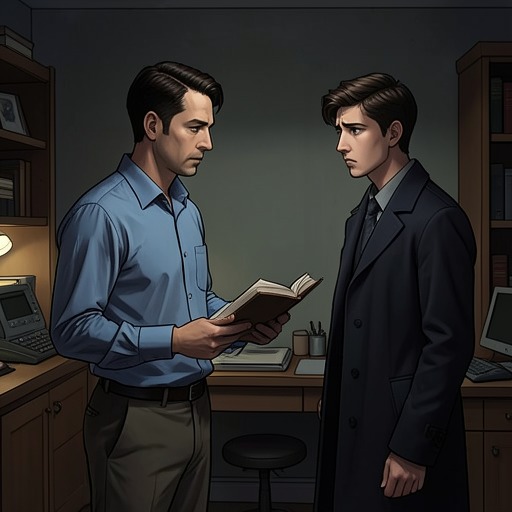
That refuge proves provisional when Mackenzie brings the investigation to David and asks for his forensic expertise. The past he tried to leave becomes relevant again, and the photographs he takes from his desk confront him with a decision he has been postponing. London therefore remains an absent but decisive reference point: it names the life David fled, while the return of forensic work tests whether distance from that life can hold.