
The Commercial Everest Boom
The ClimbThis flow traces how commercial demand expands Everest access while changing who climbs, what clients expect, and how expeditions are managed.
increasing Bearing strength in each event
 decreasing
Bearing strength in each eventdecreasingA New Market
A New Market
Guided Access
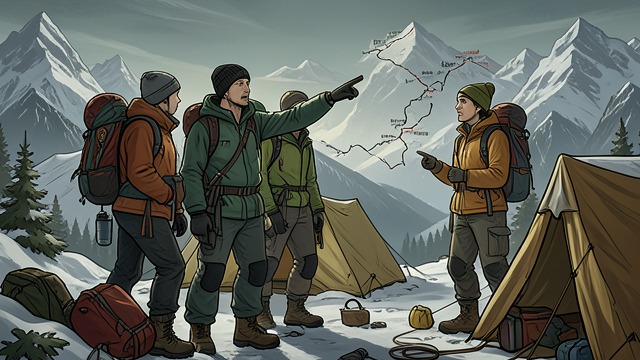
Commercial expeditions turn Everest from a mostly sponsored undertaking into a product that wealthy climbers can purchase.
Changing Expectations
Guides and support staff are hired to establish camps and create a route, while clients expect a managed path toward the summit.
The Price of a Ticket
The Price of a Ticket
High Fees
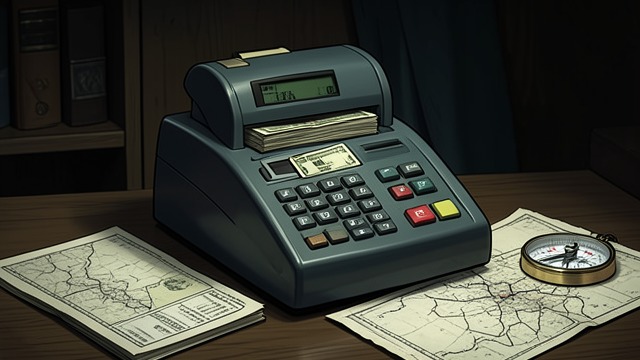
Expedition organizers charge large sums, but many clients negotiate discounts or receive special terms.
Financial Dependence
Businesses need enough clients to cover permits, equipment, oxygen, staff, and transport, putting commercial pressure beside mountaineering judgment.
A Crowded Base Camp
A Crowded Base Camp
Expansion
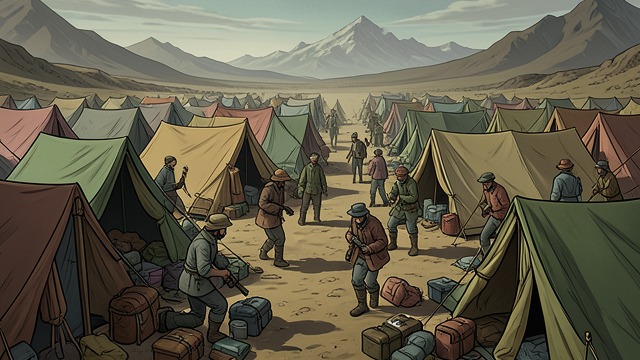
Hundreds of climbers and support workers gather where earlier seasons had far fewer people.
Friction
Competing expeditions negotiate territory, labor, and route preparation. The crowded camp begins to resemble a commercial event as much as a remote climbing outpost.
Clients and Guides
Clients and Guides
Mixed Experience
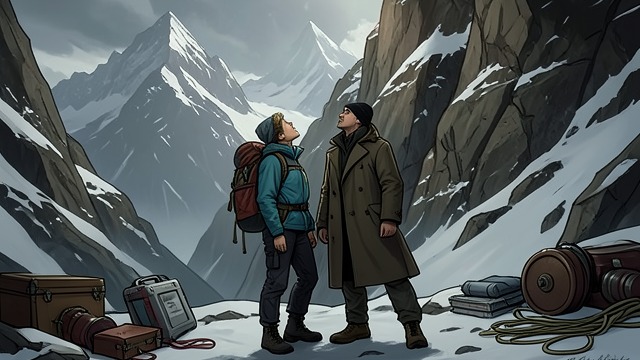
Some clients have substantial alpine experience; others have never climbed an 8,000-meter peak.
Unequal Responsibility
The commercial promise of expert support can encourage dependence, although survival above the camps still requires individual judgment and self-reliance.
The Business Question
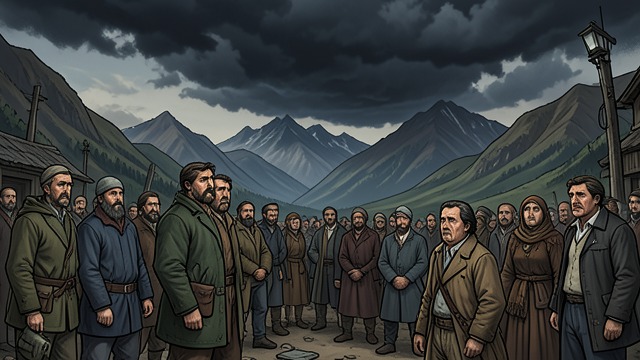
The Business Question
Public Scrutiny
The tragedy intensifies debate about whether commercial expeditions accept clients whose abilities are inadequate for the risks.
Structural Lesson
The book presents the market as neither automatically reckless nor inherently safe: money can fund access, but cannot purchase weather, strength, or rescue capacity.
1980s and early 1990s
1995–96 recruitment season
spring 1996 at Everest Base Camp
April 1996 on the mountain
after the May 1996 disaster
