
The Oxygen Supply Chain
The ClimbThis flow traces the procurement and rationing of oxygen, from commercial negotiations through summit-day shortages and rescue consequences.
increasing Bearing strength in each event
 decreasing
Bearing strength in each eventdecreasingSearching for Lighter Cylinders
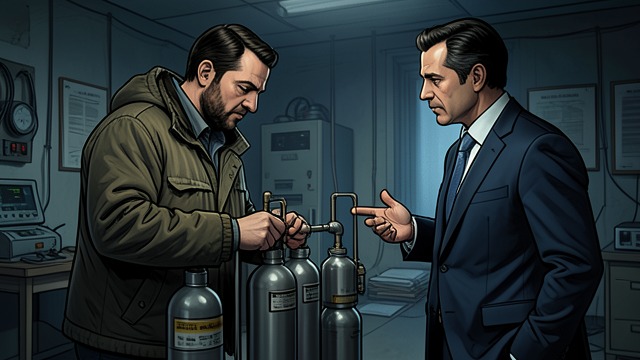
Searching for Lighter Cylinders
Equipment Choice
Scott Fischer wants lightweight oxygen cylinders to reduce the load his clients must carry.
Supply Negotiations
Anatoli Boukreev approaches Poisk in Russia, but Henry Todd has secured an exclusive arrangement that complicates the purchase.
A Divided Order
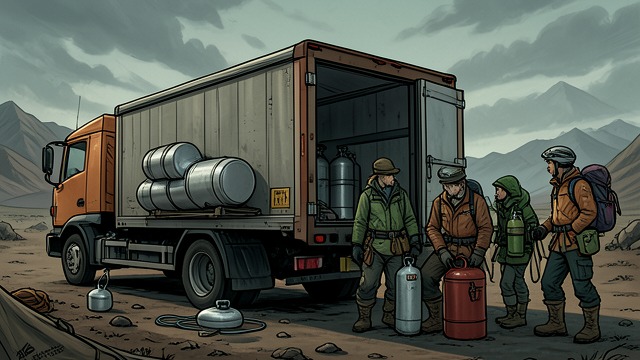
A Divided Order
Compromise
Mountain Madness buys lighter Poisk cylinders and heavier alternatives through Henry Todd after negotiations over supply and price.
Delayed Delivery
The arrangement does not prevent transport problems, leaving the team uncertain whether the oxygen will reach Nepal on time.
Consumption Before the Summit
Consumption Before the Summit
Reserve Erodes
Some climbers use oxygen at lower elevations or while sleeping, and Ngawang Topche Sherpa’s emergency care draws on the supply.
Narrowing Options
The planned surplus shrinks, leaving less flexibility for a delayed summit bid or a second attempt.
A Fragile Summit Plan
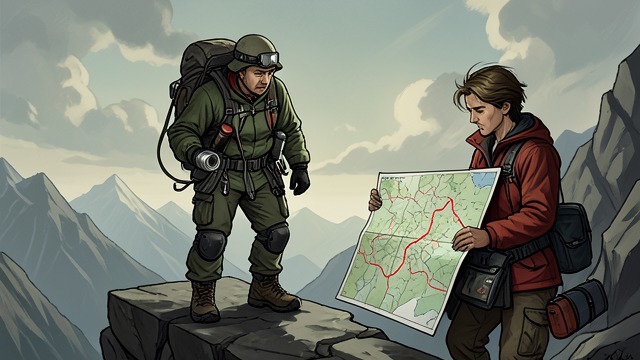
A Fragile Summit Plan
Calculated Duration
The expedition expects two cylinders to cover the ascent to the summit and a third to support the descent.
Minimal Margin
The clients carry little reserve, making delays, high flow rates, and missing caches potentially decisive.
Empty Bottles in the Storm
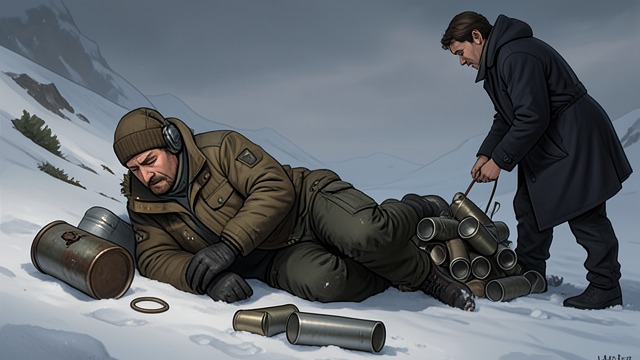
Empty Bottles in the Storm
Exhaustion
Several climbers run low or out of oxygen after the delayed ascent and long descent.
Rescue Constraint
Boukreev searches for spare cylinders, but the expected reserve is difficult to locate and other rescuers are unable or unwilling to go out.
late 1995 in Kathmandu
January–February 1996
April 1996 at Base Camp and higher camps
night of May 9–10, 1996
May 10–11, 1996
