
Oxygen as Tool and Trap
The ClimbThis flow explores the book’s conflicting views of supplementary oxygen as assistance, dependence, and a potential hazard when supplies fail.
increasing Bearing strength in each event
 decreasing
Bearing strength in each eventdecreasingA Strategic Choice
A Strategic Choice
Client Support
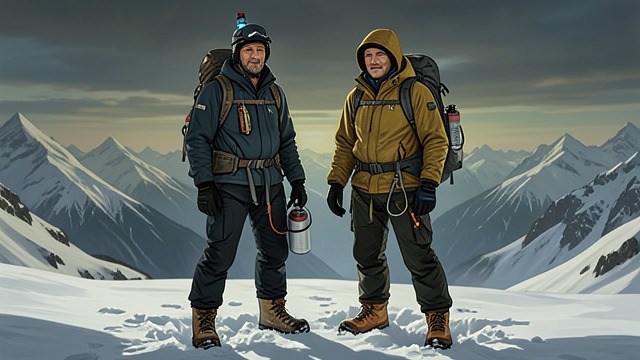
Mountain Madness plans to use oxygen to help clients climb high and conserve strength.
Guide Difference
Anatoli Boukreev expects to climb without it because he is acclimatized and experienced, while the clients depend on a measured supply.
The Supply Calculation
The Supply Calculation
Planned Duration
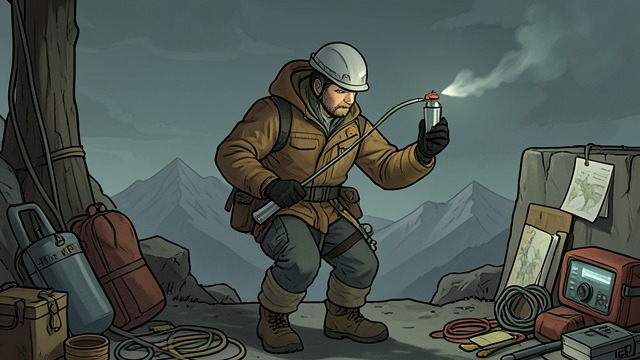
The summit plan assumes oxygen cylinders will last long enough for ascent and descent if climbers keep to recommended flow rates.
Thin Margin
The supply leaves little room for delays, excessive use, or an overnight emergency.
Dependence at Altitude
Dependence at Altitude
Rising Need
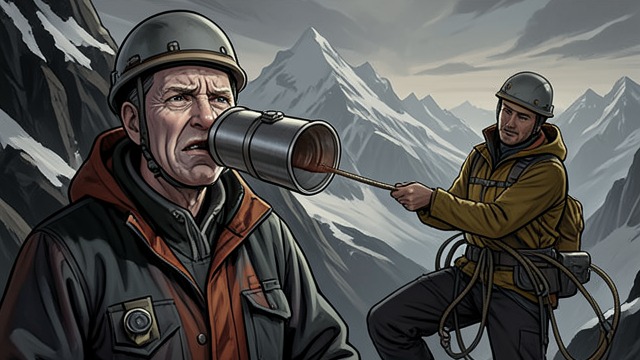
Climbers increase or exhaust their oxygen as the ascent takes longer than expected.
Vulnerability
The oxygen that makes movement easier can leave users abruptly impaired when a cylinder empties or no replacement is available.
Boukreev’s Position
Boukreev’s Position
Reserve and Judgment
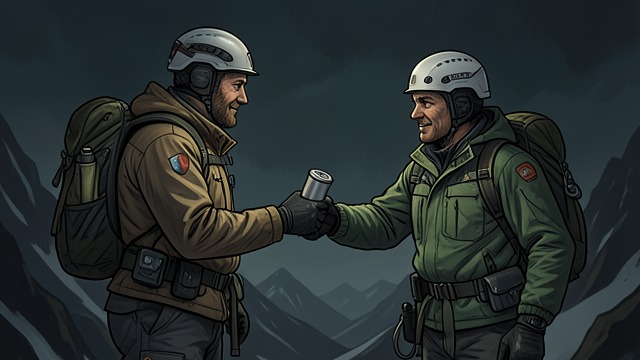
Anatoli Boukreev carries a reserve cylinder but gives it to Neal Beidleman when he believes Beidleman needs it for rope work.
Contested Practice
The choice not to use oxygen is criticized by Jon Krakauer and defended by Boukreev as a way to avoid dependence on a finite supply.
A Lesson Without a Formula

A Lesson Without a Formula
Competing Expertise
The book presents medical and mountaineering opinions that do not yield a universally accepted rule about oxygen.
Context Matters
Oxygen can preserve strength, but its value depends on acclimatization, reliable supply, flow rate, and the climber’s ability to function if it runs out.
before the 1996 summit attempt
May 9, 1996, at Camp IV
May 10, 1996, above 8,000 meters
May 10, 1996, during the descent
1997 and the later controversy
