
The Media Circus and Human Loss
The ClimbThis flow traces the transformation of intimate grief into public spectacle and the effort to recover dignity through careful remembrance.
increasing Bearing strength in each event
 decreasing
Bearing strength in each eventdecreasingA Public Event
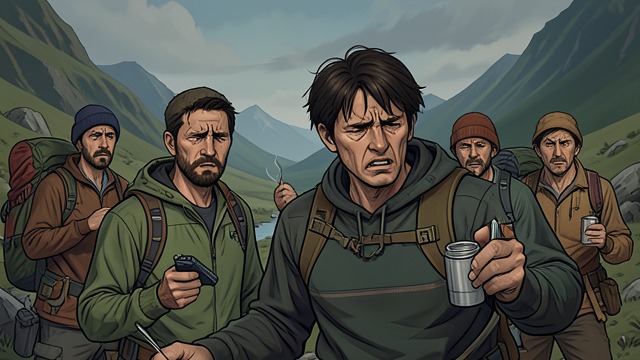
A Public Event
Unusual Attention
Internet reports and journalists make the expedition visible to a global audience as it unfolds.
Private Strain
For climbers, the communication apparatus sits beside ordinary needs, fear, exhaustion, and dependence on the Sherpa staff.
The Disaster Becomes News
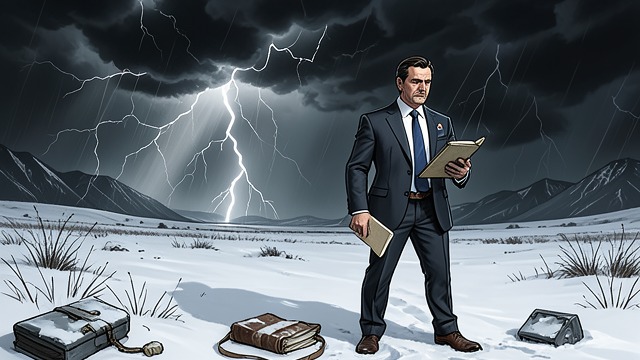
The Disaster Becomes News
Media Demand
After the storm, reporters seek concise explanations from people who are still grieving and physically recovering.
Emotional Mismatch
Anatoli Boukreev finds the questions difficult to answer, especially when he lacks the English to explain complex decisions quickly.
A Story of Blame
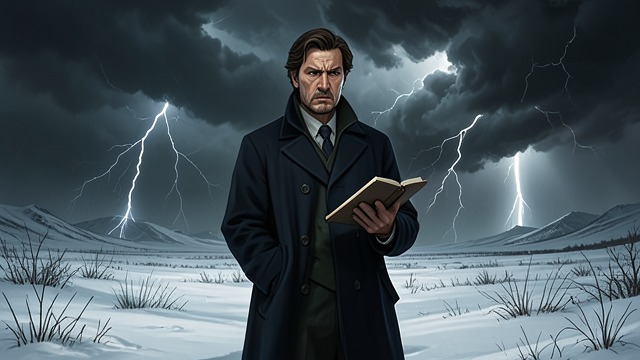
A Story of Blame
Simplification
Public accounts often seek one person or decision to explain a disaster shaped by many interacting factors.
Reputational Harm
The debate over Boukreev illustrates how a compelling narrative can harden into a judgment before evidence is fully compared.
Memorial Acts
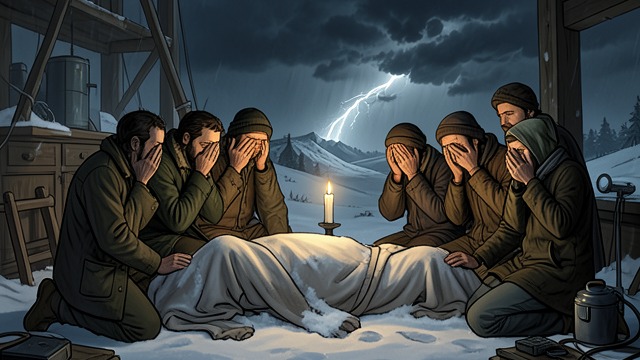
Memorial Acts
Remembrance
Friends gather to remember Scott Fischer, while Anatoli Boukreev later covers the bodies of Fischer and Yasuko Namba.
Personal Meaning
These actions reject spectacle by returning attention to the dead as people with families, friendships, and unfinished lives.
A Plea for Truth
A Plea for Truth
Debate Continues
G. Weston DeWalt argues that the record should be examined through known facts rather than suspicion and rumor.
Dignity and Accountability
The book asks readers to pursue truth without turning a human tragedy into entertainment or treating any participant as only a hero or villain.
May 1996 at Everest Base Camp
May 11–June 1996
summer 1996 onward
1996–97
1999 after publication of The Climb
