
The Book’s Competing Accounts
The ClimbThis flow follows how eyewitness recollection, journalism, and a coauthored memoir create competing public interpretations of the disaster.
increasing Bearing strength in each event
 decreasing
Bearing strength in each eventdecreasingA Taped Debriefing
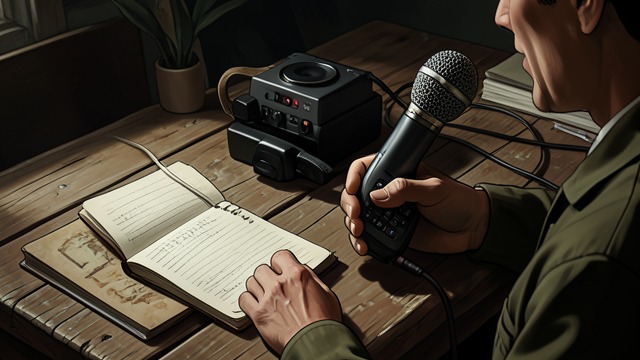
A Taped Debriefing
Reconstructing Events
Survivors record memories of the ascent, oxygen, rope failures, rescue, and storm. Their recollections are immediate but incomplete and sometimes conflict.
Historical Record
The tape becomes a central source for later accounts, while also exposing how exhaustion and legal anxiety shape what witnesses will say.
Krakauer’s First Account
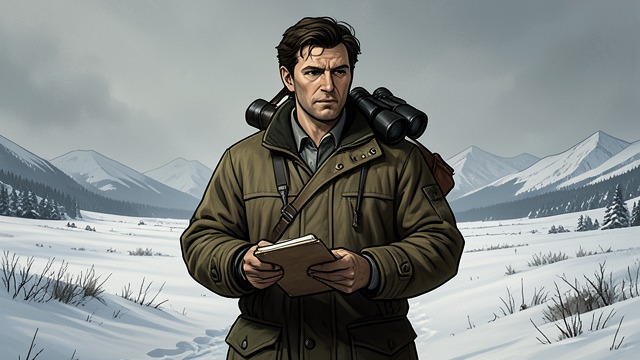
Krakauer’s First Account
Critical Portrait
Jon Krakauer’s article questions Anatoli Boukreev’s early descent, clothing, and decision not to use oxygen.
Public Consequence
The article reaches readers before a fuller record can circulate, making its interpretation a powerful frame for the disaster.
A Counter-Account

A Counter-Account
Collaboration
Anatoli Boukreev works with G. Weston DeWalt, sharing journals, interviews, and recollections for a personal account rather than a definitive verdict.
A Different Emphasis
The book stresses Boukreev’s experience, his rescue work, and the decisions he says were agreed with Scott Fischer.
Public Dispute
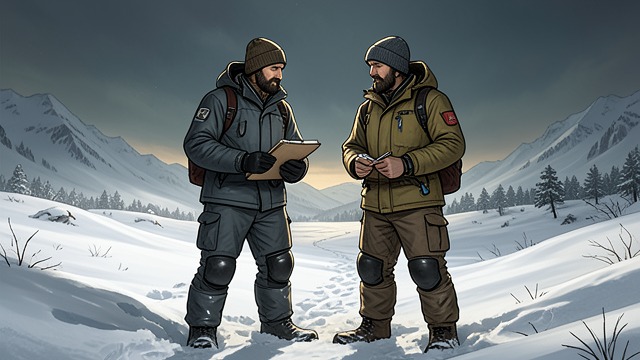
Public Dispute
Contradictory Claims
The authors contest how the descent was described, whether interviews were checked, and what the oxygen strategy meant.
Evidence and Interpretation
Their dispute demonstrates that chronology alone does not settle responsibility; readers must weigh testimony, omissions, and hindsight.
An Unfinished Record

An Unfinished Record
Continued Rebuttal
G. Weston DeWalt answers Jon Krakauer’s postscript and revisits the interviews, debriefing tape, and disputed account of Scott Fischer’s approval.
No Final Certainty
The book argues for fact-based discussion, but the surviving evidence leaves some decisions and motives unresolved.
May 15, 1996, at Everest Base Camp
summer 1996
June 1996 to October 1997
1997–98
late 1998 to 1999
