
Boukreev’s Mountaineering Life
The ClimbThis flow traces Anatoli Boukreev’s struggle to sustain a climbing career after Soviet support collapses and his eventual return to the mountains.
increasing Bearing strength in each event
 decreasing
Bearing strength in each eventdecreasingA Career Without Support
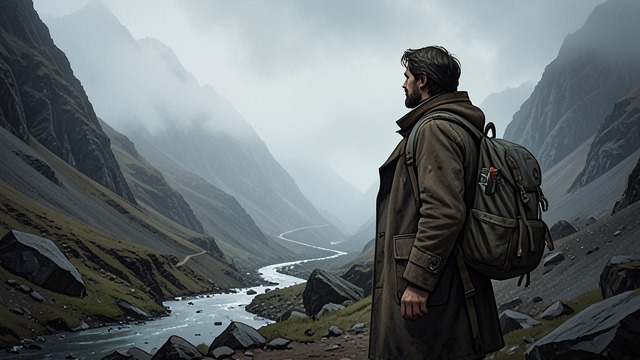
A Career Without Support
Lost Infrastructure
The collapse of state support leaves skilled climbers in Kazakhstan and Russia without expedition funding or steady work.
Personal Precarity
Anatoli Boukreev sells gear to afford travel and accepts opportunities that require him to pay his own expenses.
Speed and Recognition
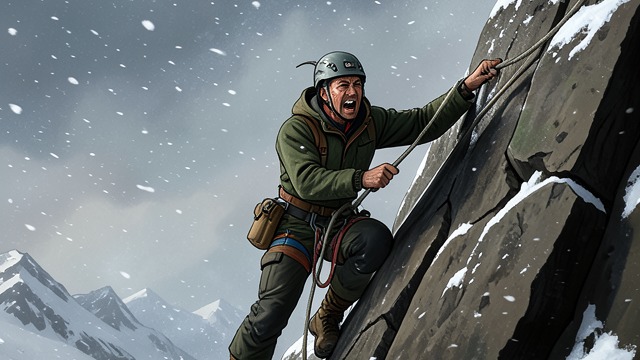
Speed and Recognition
Independent Ascent
Anatoli Boukreev climbs Dhaulagiri solo and without supplementary oxygen, setting a rapid ascent time.
New Prospects
The feat strengthens his standing as a high-altitude climber and helps open the door to paid guiding work.
A Guiding Contract
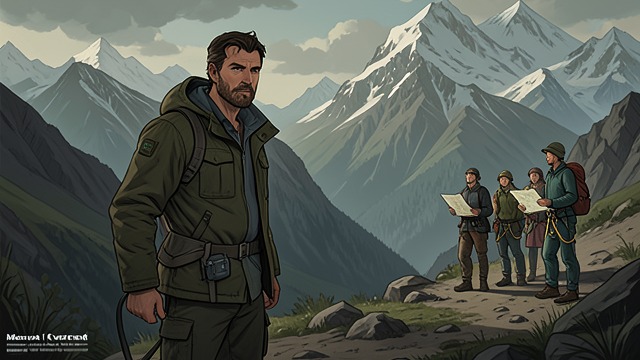
A Guiding Contract
Opportunity
Scott Fischer recruits Anatoli Boukreev to guide Mountain Madness’s Everest expedition and offers future possibilities beyond the mountain.
Professional Tension
The contract provides financial stability, but the job’s client-service expectations differ from Boukreev’s training in collective mountaineering.
Rescue and Accusation
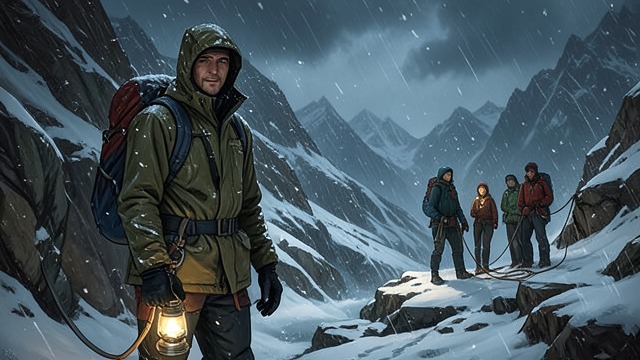
Rescue and Accusation
Performance Under Pressure
Anatoli Boukreev returns repeatedly into a storm to assist exhausted climbers after the summit attempt.
Reputation at Risk
Jon Krakauer’s criticism makes his descent and oxygen use controversial, placing a public judgment beside his peers’ recognition of the rescue.
Return to the Peaks
Return to the Peaks
Renewed Climbing
Anatoli Boukreev climbs other high peaks and accepts a leadership-adviser role for an Indonesian Everest team.
Chosen Risk
He continues because the mountains remain his home, while acknowledging the moral burden of guiding inexperienced climbers toward extreme danger.
early 1990s after the Soviet collapse
October 1995 on Dhaulagiri
late 1995 in Kathmandu
May–September 1996
1996–1997
