Anatoli Boukreev’s 1996 Everest rescue
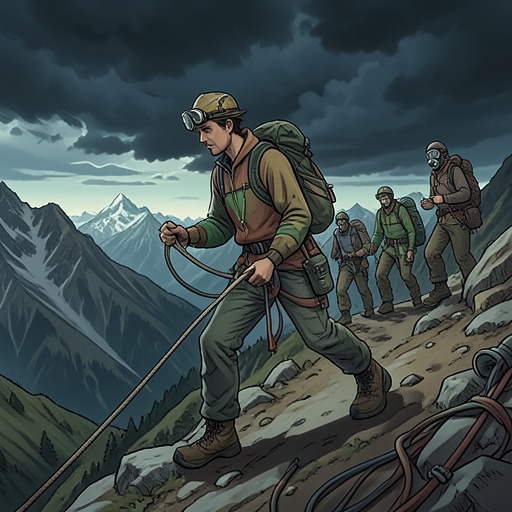
The ClimbAnatoli Boukreev’s 1996 Everest rescue was a solo attempt to reach climbers lost in the storm above the camp they were struggling to descend to. Faced with the danger of going back up into the blizzard, Boukreev chose to enter it; his effort became a defining act of rescue during the 1996 Everest disaster.
Background and Stakes
The climbers above the camp were caught in the Death Zone, where extreme cold and oxygen deprivation can quickly become fatal. In the storm, they were often unable to see beyond arm’s length. Some had ropes to guide them, but oxygen gauges fell to zero, hypoxia undermined rational judgment, and frostbite made the prospect of amputation increasingly real. The rescue attempt therefore began amid immediate danger: those above were disoriented and losing the means to protect themselves, while help had to come from below.
The Decision to Go Back Up
At the high-altitude camp, Boukreev yelled, cajoled, and pleaded with other climbers to help rescue those stranded above. He then decided to attempt the rescue alone, entering the pelting snow and darkness. The account emphasizes the decision’s risk: some would later call it suicidal. Boukreev went into the storm despite that danger, turning the rescue from an appeal for assistance into a personal undertaking.
Course and Significance
The storm’s force is conveyed through a climber’s comparison of its roar to a hundred freight trains passing overhead. Against that sound and the lacerated darkness, Boukreev’s attempt stands as a movement back toward climbers who were lost and exposed. Mountaineer and writer Galen Rowell later called Boukreev’s efforts one of the most amazing rescues in mountaineering history. That judgment gives the episode its lasting significance: the rescue is remembered not as a safe or assured operation, but as a dangerous decision to go toward people in mortal danger.