Boukreev's Everest storm rescue
The ClimbBoukreev’s Everest storm rescue is the account of a guide who, while climbers were lost in the storm above, chose to go back into it alone. His decision turns a scene of general peril into a rescue attempt, later acclaimed by mountaineer and writer Galen Rowell as one of mountaineering’s most remarkable.
The Crisis Above Camp
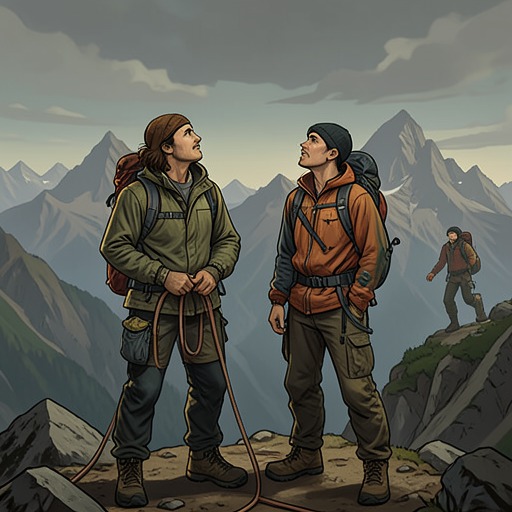
The climbers were caught in the Death Zone, above 8,000 meters, where prolonged exposure to subzero cold and oxygen deprivation could kill quickly. Many could see only a short distance; some relied on ropes to find their way. Oxygen gauges dropped to zero, hypoxia undermined clear thought, and the threat of frostbite made amputation seem increasingly likely. In the darkness and the storm’s roar, survival became an immediate bargain against bodily loss.
Boukreev’s Decision
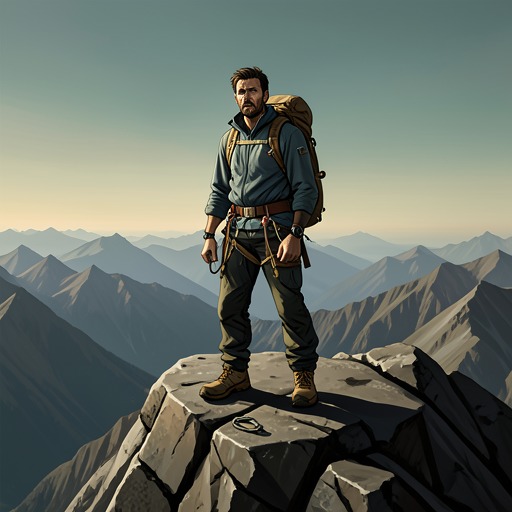
At the high-altitude camp below the descending climbers, Russian mountaineer and guide Anatoli Boukreev tried to persuade others to help rescue those stranded above. He yelled, cajoled, and pleaded, but the account places the decisive choice with him: he went into the storm alone. The attempt meant entering pelting snow and darkness torn by the wind, a risk later described by some as suicidal.
The Rescue’s Significance
The rescue is framed not as a planned operation with secure conditions, but as an individual response to climbers in immediate danger. Boukreev’s choice set him against the storm while oxygen deprivation and failing visibility had already made the descent perilous for those he sought. Galen Rowell’s later description of the effort as one of the most amazing rescues in mountaineering history records the scale of its reputation, while the account’s emphasis on Boukreev’s solitary decision preserves the danger at its center.