High-altitude cerebral edema
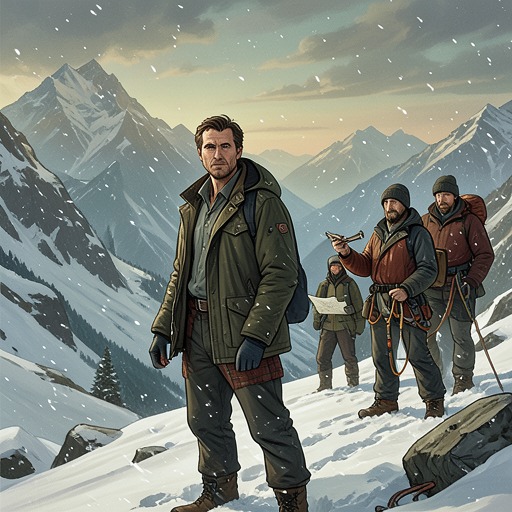
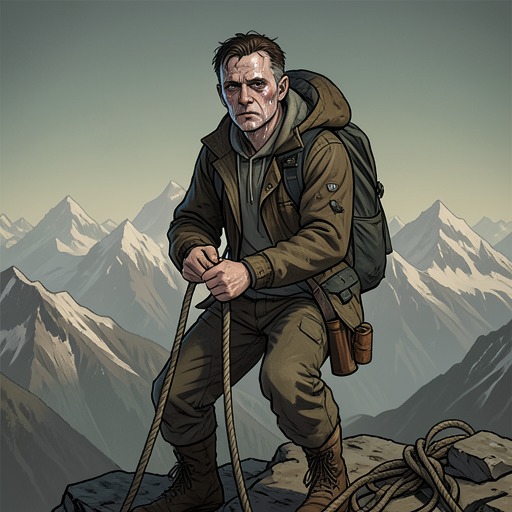
The ClimbHigh-altitude cerebral edema (HACE) is one of the two severe and often deadly manifestations of acute mountain sickness. In the account of the 1996 Everest expedition, its significance lies not only in its danger but in the difficulty of recognizing it: early symptoms can be mistaken for the ordinary discomforts of acclimatization, when delay or misunderstanding may prove fatal.
Definition and Symptoms
Acute mountain sickness can cause headache, nausea, disturbed sleep, fatigue, shortness of breath, malaise, dizziness, and loss of appetite. HACE is named alongside high-altitude pulmonary edema as a more serious manifestation of the condition. The evidence does not provide a separate list of HACE-specific symptoms; instead, it emphasizes the diagnostic uncertainty created when the earliest signs of either severe condition resemble the familiar strains of adjusting to altitude.
Recognition and Responsibility
During the expedition’s acclimatization discussions, the guides told clients to monitor their bodies carefully and remain alert to sensations and reactions that might be unfamiliar at high altitude. Guides could watch the climbers, but each climber alone knew the interior truth of their condition. The distinction made communication essential: a client’s account and a guide’s observation had to meet, because misreading early HACE or HAPE as routine acclimatization discomfort could be fatal.
The warning was tied to a practical rule rather than to confidence in endurance. Climbers were told to preserve a reserve, avoid becoming completely depleted, and treat an inability to continue as a reason to stop and turn around. The guidance made retreat a life-preserving response to bodily evidence, not a failure to complete the ascent.
Expedition Conditions
The account places this medical concern within a climb dependent on fragile systems of judgment and communication. At Base Camp, Martin Adams criticized the expedition’s old, ten-channel two-way radios as inadequate, underscoring the importance of reliable contact between climbers and the people tracking problems and medical matters. The text does not identify a particular HACE diagnosis arising from a radio failure, but its warning about fatal misunderstanding gives communication a direct safety role.
On summit day, the Mountain Madness team had 62 oxygen canisters at Camp IV: nine heavier Zvesda canisters reserved for sleeping and 53 lighter Poisk canisters set aside for the climb. Five of the six climbing Sherpas planned to use oxygen, while Lopsang Jangbu Sherpa climbed without it but carried one canister for emergencies. These details describe the expedition’s oxygen arrangements, not a treatment for HACE; alongside the acclimatization instructions, they show the narrow margin within which climbers had to judge their condition and act.
Recognition Under Uncertainty
The expedition’s account of HACE is therefore also an account of limits on observation. At extreme altitude, familiar discomfort and dangerous deterioration could overlap, while guides depended on climbers to report what they themselves could feel. The prescribed response—to communicate, preserve strength, stop, and descend when unable to continue—answers that uncertainty without pretending that it can be eliminated. HACE matters in this narrative as a grave possibility that makes bodily self-knowledge and timely retreat central to survival.